

 English
 Español
 русский
Home / News / Industry News / Can a Cheap High Pressure Water Pump Balance Cost and Practical Performance
Can a Cheap High Pressure Water Pump Balance Cost and Practical Performance
2026-09-04
Price often catches attention when buyers compare water pumps. A lower purchase cost can make a Cheap High Pressure Water Pump attractive, especially when a project has a limited equipment budget.But price is only one part of the decision.
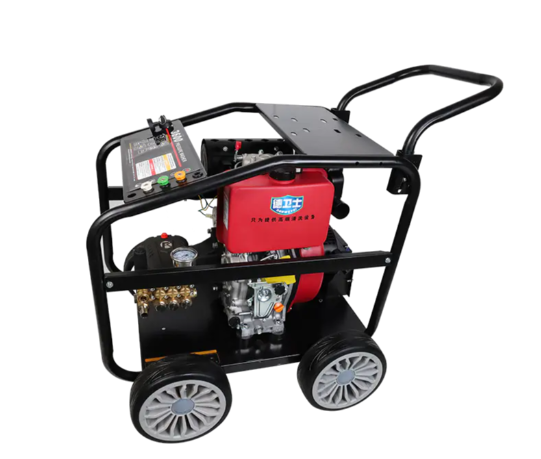
A water pump has a practical role within a larger system. It may be used for water supply, cleaning, irrigation, circulation, or other applications where stable operation matters. The right choice depends on how well the pump fits that role.
This creates an important question for buyers.
Can a lower-cost pump provide a reasonable balance between affordability and everyday use?
The answer depends on the application.
A low-cost product can make sense when its design matches the actual task. It may become a less practical choice when buyers select it only because of its price and overlook the operating environment.
This is why the market conversation around affordable high pressure water pumps is becoming more focused on value rather than price alone.
Why Are Buyers Looking at Cheap High Pressure Water Pump ?
Budget constraints are a common challenge in equipment procurement across industries.
Small enterprises, property management teams, on-site maintenance staff and engineering project operators all need to control capital expenditure on mechanical equipment. Since water pumps are usually auxiliary components of the entire water system rather than standalone core devices, many buyers seek cost-effective options to cut unnecessary spending without compromising overall project stability.
This market demand drives the widespread attention toward affordable high-pressure water pumps.
The advantages of such products are straightforward. Reduced upfront pump costs free up more budget for other essential links, including peripheral equipment procurement, on-site installation construction, daily maintenance materials and future equipment replacement reserves.
That said, low cost does not equal full applicability.
Every pump model is designed for targeted working scenarios.
Before finalizing a purchase, buyers must fully assess actual usage conditions, cumulative operating hours, water quality medium characteristics and the difficulty of daily overhaul to avoid mismatched equipment selection.
| Buying Consideration | Why It Matters |
|---|---|
| Purchase cost | Helps keep the equipment budget under control |
| Water demand | Determines whether the pump suits the intended task |
| Operating frequency | Influences practical equipment expectations |
| Installation | Affects how easily the pump fits the existing system |
| Maintenance | Can influence long-term convenience |
| Replacement | Matters when planning future equipment needs |
| Application | Helps determine whether a lower-cost option is appropriate |
This broader approach makes the purchasing decision more realistic.
Can a Lower Purchase Price Still Offer Practical Value?
A lower price does not automatically mean a product is unsuitable.
In some applications, buyers do not need a highly specialized pump. They may simply need equipment that can perform a clearly defined task within a straightforward water system.
In such cases, an affordable pump may provide a reasonable solution.
The key is matching expectations with actual requirements.
For example, a pump used occasionally may have different purchasing priorities from one used as part of a demanding daily operation. A simple water supply task may also create different requirements from a more complex system.
The buyer should therefore define the job before comparing products.
A useful checklist can include:
What is the pump expected to do?
The basic purpose should be clear.
How often will it operate?
Occasional use and regular use can lead to different purchasing priorities.
Where will it be installed?
The surrounding environment can influence equipment selection.
What type of water will it handle?
Water characteristics can affect practical suitability.
How important is easy maintenance?
A pump that is simple to inspect and service may be more convenient for some users.
These questions help buyers avoid judging a pump entirely by its price.
How Does Application Influence High Pressure Water Pump Selection?
The same pump cannot necessarily meet every water supply requirement.
Application changes the decision.
A household may need a pump for routine water movement. A garden may require equipment for irrigation. A cleaning operation may need a different approach. Commercial facilities can have their own water handling requirements.
This means buyers should consider the actual job rather than searching for a general-purpose solution.
A Cheap High Pressure Water Pump can be practical when the application is clearly defined and the product is suitable for that use.
The opposite can also happen.
A buyer may select an inexpensive pump for a task that requires more specialized equipment. The lower initial price may then be offset by operational difficulties, maintenance demands, or the need for an early replacement.
The issue is not simply whether the pump is cheap.
The real question is whether the pump is appropriate.
This distinction is important for both consumers and professional buyers.
What Should Buyers Consider Beyond the Price Tag?
Price provides a simple comparison.
Practical value is more complicated.
A buyer can look at several areas before making a decision.
1. Installation
A pump needs to fit the existing water system.
The installation location, surrounding equipment, and available space can all influence the choice.
A product that is inexpensive but difficult to integrate may create additional work.
2. Maintenance
Maintenance is part of ownership.
Buyers should consider whether routine inspection and basic care are manageable. Easy access can make a difference when the pump needs attention.
3. Operating expectations
A pump used occasionally may not need the same features as equipment used frequently.
Understanding the expected operating pattern can help buyers choose more appropriately.
4. Replacement planning
Equipment eventually needs replacement.
A buyer may want to know whether replacement parts, service support, or another compatible pump can be obtained without unnecessary difficulty.
5. Overall system fit
The pump is rarely an isolated product.
It works with pipes, tanks, controls, water sources, and other equipment. A good purchasing decision considers how the complete system works together.
These factors can reveal the difference between a low purchase price and practical value.
Could Cheap High Pressure Water Pumps Work for Different Applications?
They can, but application suitability remains the key condition.
Affordable pumps may be considered for a range of water-related tasks where the requirements are relatively clear.
Possible application areas include:
| Application Area | Main Purchasing Focus |
|---|---|
| Household water supply | Practical daily operation |
| Garden irrigation | Suitable water movement |
| Cleaning tasks | Convenient use and handling |
| Small water systems | Simple installation and maintenance |
| Agricultural support | Matching the pump with the intended water task |
| Property maintenance | Cost control and practical operation |
These categories are broad.
The exact equipment choice still depends on the individual system.
For a simple application, a lower-cost pump may provide sufficient value.
For a demanding application, buyers may need to place greater attention on durability, serviceability, system compatibility, and other factors.
This is why general claims about affordable pumps should be treated carefully.
There is no single answer for every situation.
How Can Buyers Balance Cost and Practical Performance?
Balance starts with priorities.
A buyer should identify what matters most for the specific project.
If purchase cost is a major concern, it can be considered alongside basic operating requirements. If the pump will be used frequently, maintenance and replacement may deserve more attention.
A simple comparison can help.
| Priority | Question to Ask |
|---|---|
| Budget | Does the purchase fit the available budget? |
| Application | Is the pump designed for the intended use? |
| Convenience | Can it be installed and handled practically? |
| Maintenance | Is routine care manageable? |
| Service | Can support be obtained when needed? |
| Replacement | Can another suitable unit be sourced later? |
| System compatibility | Does it fit the surrounding equipment? |
This method prevents the lowest price from becoming the only deciding factor.
It also gives buyers a clearer way to compare several products.
A slightly different purchase price may matter less when one option fits the system more naturally.
The goal is not to spend more.
The goal is to spend appropriately.
Why Does Maintenance Matter When Buying an Affordable Water Pump?
Maintenance is easy to overlook during purchasing.
Buyers often focus on the amount paid at the beginning. After installation, however, the pump becomes part of a routine.
It may need inspection, cleaning, adjustment, or replacement of certain components over time.
A product that is easy to access and maintain can be more convenient for some applications.
This is especially relevant for users who do not have a dedicated maintenance team.
Simple maintenance arrangements can reduce the amount of time spent dealing with equipment.
For commercial users, maintenance can also influence workflow.
A pump that requires attention at inconvenient times may create more disruption than expected.
This does not mean that every affordable pump will have the same maintenance requirements.
It means buyers should ask about maintenance before purchase.
A practical product is not only one that works when installed. It should also make sense throughout its expected use.
Can a Cheap High Pressure Water Pump Be a Long-Term Purchasing Choice?
This depends heavily on the application and product quality.
A lower-cost pump may be a sensible long-term choice when it fits the water system and receives appropriate care.
However, buyers should avoid assuming that purchase price alone predicts long-term value.
Several factors can influence ownership experience.
The pump may be used more often than originally planned. The water system may change. Maintenance conditions may become different. The surrounding equipment may also be upgraded.
These changes can affect whether the original choice remains suitable.
For this reason, buyers may want to think beyond the immediate project.
A useful purchasing decision considers both current requirements and reasonable future needs.
This does not require predicting everything that might happen.
It simply means avoiding a choice that only works under very narrow conditions when the equipment may later be used differently.
Should Buyers Choose a Cheap High Pressure Water Pump Based on Price Alone?
Price can be an important factor.
It should rarely be the only factor.
A buyer who focuses entirely on cost may overlook the practical details that determine whether a pump fits the application.
A more balanced approach is to compare price with:
- Intended use.
- Water requirements.
- Installation conditions.
- Maintenance needs.
- Operating frequency.
- System compatibility.
- Replacement planning.
- Supplier communication.
This approach can also make conversations with manufacturers and suppliers more productive.
Instead of asking only, "How much does the pump cost?", buyers can explain the application and ask which product fits the actual requirement.
That gives the supplier more useful information.
It also helps the buyer understand why one pump may cost more or less than another.
What Does Practical Value Look Like?
Practical value does not have to mean adding more features.
Sometimes it means choosing a pump that simply fits the job.
For one buyer, affordability may be the main concern. For another, easy maintenance may matter more. Someone operating a small water system may prioritize simple installation, while a commercial user may place more attention on regular operation and service arrangements.
The definition of value changes with the application.
That is why the idea of a Cheap High Pressure Water Pump should be considered from the perspective of the user.
A lower-cost product can be useful when its capabilities match the job.
A higher purchase price can also be reasonable when it addresses requirements that a basic option cannot handle.
The purchasing decision becomes clearer when buyers compare the complete use case rather than a single number.
As affordable water equipment continues to attract attention, buyers are looking more closely at the relationship between cost and practical use. A Cheap High Pressure Water Pump can have a place in different water systems, but its value depends on whether the product matches the application, installation environment, maintenance expectations, and wider system needs.
Previous Post
Where Do High Pressure Plunger Water Pumps Fit in Water Treatment Systems
Next Post
What Types of Water Can a Stainless Steel Trash Pump Handle
Related Products

CONTACT US
- Address: No. 2880, East Section of Development Avenue, Sanjia Street, Taizhou Bay New District, Taizhou City, Zhejiang, China.
- Tel: +86-13665766622
+86-18806588150 - E-mail: [email protected]
Copyright © Taizhou Feike Mechanical Technology Co., Ltd.

Wholesale Triplex Plunger Pump Factory