

 English
 Español
 русский
What Types of Water Can a Stainless Steel Trash Pump Handle
2026-08-28
Water is not always clean, clear, and easy to move. On a construction site, it may contain sand, leaves, small debris, or loose material. In agricultural areas, drainage water can carry soil and plant matter. Industrial locations may also have water that requires careful handling because of the surrounding environment.
This is where a Stainless Steel Trash Pump can have a practical role.
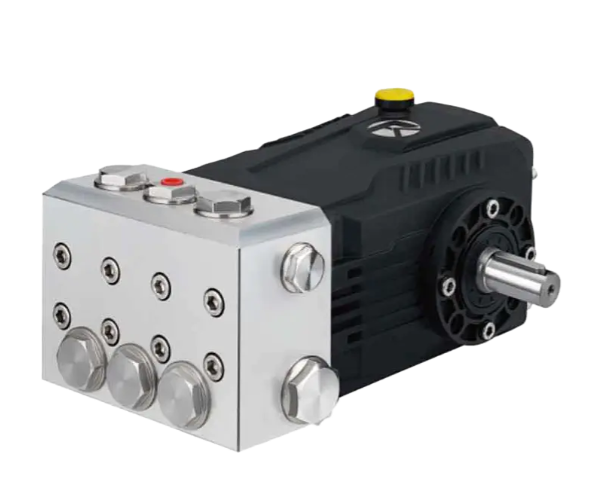
A trash pump is designed for water handling tasks where solid debris may be present. The stainless steel construction can also make the equipment suitable for environments where material resistance and routine cleaning matter.
However, not every type of water should automatically be considered suitable. The nature of the liquid, the amount and type of debris, the working environment, and the pump design all need to be considered together.
Understanding the water before choosing a pump can help users select equipment that fits the actual task.
What Makes Water Suitable for a Stainless Steel Trash Pump ?
A Pump is generally associated with water that is less clean than the liquid handled by a conventional clean-water pump.
The key difference is the presence of solid material.
Water from a drainage area may contain small leaves, dirt, mud, or other loose debris. A trash pump is designed with this type of working condition in mind.
The stainless steel construction adds another consideration. Stainless steel is commonly selected when the equipment may encounter moisture, demanding surroundings, or situations where easy cleaning is useful.
| Water Condition | Potential Suitability | Main Consideration |
|---|---|---|
| Clear drainage water | Suitable for selected applications | Check the pump's intended use |
| Muddy water | Often considered | Understand the nature of the sediment |
| Water with leaves | Suitable for selected trash pump designs | Consider debris size and quantity |
| Water with small solid debris | Often considered | Confirm compatibility with the pump |
| Agricultural drainage | Potentially suitable | Check soil and plant material |
| Construction water | Potentially suitable | Consider sand and loose material |
| Heavily contaminated liquid | Requires careful evaluation | Water composition may exceed normal use |
The term "trash water" should not be interpreted as meaning every dirty liquid.
The pump is intended for particular water-handling conditions. Chemicals, aggressive liquids, large objects, or unusual fluids may require different equipment.
The actual application should always guide the selection.
Can a Stainless Steel Trash Pump Handle Muddy Water?
Muddy water is one of the situations where a trash pump may be considered.
Muddy water can contain soil, fine sediment, and other suspended material. It may appear after rainfall, excavation, agricultural activity, or drainage work.
A clean-water pump may not be the natural choice for this type of environment.
A Pump can be considered when the application involves water carrying suitable amounts of loose material.
The important point is that "muddy" can describe many different conditions.
One site may have water with a light amount of soil. Another may have thick material that behaves more like sludge.
These situations are not necessarily the same.
Before selecting equipment, users should consider:
- What is mixed into the water?
- How much solid material is present?
- Is the material fine or relatively coarse?
- Does the material settle quickly?
- Is the liquid chemically aggressive?
- How long will the pumping task continue?
- Is the pump designed for this particular environment?
This information can help determine whether a trash pump is suitable.
A pump should not be selected simply because the water looks dirty.
The actual characteristics of the liquid matter.
Can It Handle Water With Leaves and Plant Debris?
Outdoor water often contains natural debris.
Leaves, grass, small twigs, and other plant material can enter drainage channels, ponds, agricultural areas, and temporary water collection points.
This is a common reason users consider a trash pump.
The pump's ability to handle such material depends on its design. The size and shape of the debris are important. A small amount of soft plant material is different from large or rigid objects.
For agricultural drainage, the surrounding environment also matters.
Water may collect after irrigation or rainfall. It can carry soil and pieces of plants into the drainage area.
A suitable trash pump can help move this type of water when the pump's intended application matches the conditions.
| Debris Type | What Users Should Consider |
|---|---|
| Leaves | Amount and size of material |
| Grass | Whether the material can move through the pump |
| Small plant pieces | Quantity and consistency |
| Small twigs | Shape and size |
| Soil | Amount of sediment in the water |
| Loose outdoor debris | Whether it matches the pump's intended use |
Users should avoid assuming that all natural debris is harmless to pumping equipment.
Large objects can block equipment or interfere with normal operation.
Keeping the intake area reasonably clear can also help maintain a smoother pumping process.
Is a Stainless Steel Trash Pump Suitable for Construction Water?
Construction sites often generate temporary drainage needs.
Excavation areas can collect rainwater. Low sections of a worksite may become flooded. Water can also collect around foundations, trenches, or other working areas.
This water may contain soil, sand, leaves, and loose debris.
A Pump may be considered for selected construction drainage applications because trash pump designs are intended for water containing certain types of solid material.
However, construction water can vary significantly from site to site.
Water mixed with ordinary soil is different from water containing cement-related material, chemical substances, or unusually large debris.
The worksite should therefore be evaluated before the pump is introduced.
A practical review can include:
Identify the water source.
Determine whether the water comes from rainfall, groundwater, cleaning activities, or another source.
Check the material in the water.
Look for soil, sand, leaves, or other solids.
Consider the surrounding environment.
Dust, mud, and other site conditions can affect equipment care.
Review the drainage route.
Make sure the discharged water has a suitable destination.
Consider routine cleaning.
Construction work can leave equipment covered with dirt and sediment.
The pump should fit the complete drainage task rather than only the water itself.
Can It Handle Agricultural Drainage Water?
Agriculture creates many situations where water needs to be moved.
Irrigation areas, drainage channels, storage areas, and low-lying sections of farmland may collect water containing soil and plant material.
A trash pump can be useful for selected agricultural water-handling tasks.
The stainless steel construction may also be attractive in outdoor environments where moisture is common.
Still, agricultural water is not always the same.
Some water may be relatively clean. Other water may contain a large amount of soil, leaves, roots, or plant material.
The pump should match the actual condition.
Farm operators can consider the following factors:
| Agricultural Water Condition | Selection Consideration |
|---|---|
| Irrigation drainage | Check water cleanliness and debris |
| Rainwater collection | Consider leaves and outdoor debris |
| Field drainage | Consider soil and sediment |
| Pond water | Review natural material in the water |
| Water transfer | Confirm the pump suits the liquid |
| Seasonal drainage | Consider storage and maintenance between uses |
Agricultural equipment is often moved between locations.
Portability and convenient maintenance may therefore be important parts of the overall choice.
What About Water Containing Sand and Sediment?
Sand and sediment require special attention.
A trash pump may be suitable for some water containing loose sediment, but the actual amount and nature of the material matter.
Sand can settle at the bottom of a tank, pit, or drainage area. If the pump draws heavily from this material, the working conditions can become more demanding.
Users should avoid treating all sediment-containing water as the same.
Fine soil, coarse sand, gravel, and thick settled material can behave differently.
A practical approach is to examine the water source before pumping begins.
If a large amount of sediment has collected, users may need to remove some material manually or use a drainage method designed for the particular condition.
The pump should support the drainage process rather than being expected to solve every problem at the water source.
Can a Stainless Steel Trash Pump Handle Dirty Industrial Water?
Industrial environments can produce many different types of wastewater.
Some water may simply contain dirt or loose solid material. Other liquids may contain oils, chemicals, cleaning agents, or substances that require specialized handling.
This distinction is important.
A Pump should not be assumed to be suitable for every industrial liquid simply because it is made from stainless steel.
Material compatibility depends on the liquid and the equipment design.
Before using a pump for industrial water, users can ask:
- What is in the water?
- Is the liquid chemically aggressive?
- Does it contain solid debris?
- Does the liquid require special treatment?
- Is the pump designed for this type of liquid?
- Does the discharge process meet workplace requirements?
Stainless steel can offer useful material properties, but it does not make a pump suitable for every chemical or industrial liquid.
When the water composition is uncertain, additional evaluation may be necessary.
How Does Water Quality Affect Pump Selection?
Water quality is more than a question of whether water looks clean.
Two liquids can have a similar appearance but behave differently.
One may contain fine soil. Another may contain plant material. A third may contain chemicals or oil.
These differences can affect pump selection.
A simple water assessment can help users organize their requirements.
| Water Characteristic | Why It Matters |
|---|---|
| Clarity | Gives an initial indication of the water condition |
| Solid Material | Helps identify whether a trash pump is appropriate |
| Sediment | May influence equipment selection and maintenance |
| Plant Debris | Can affect water movement and intake conditions |
| Chemical Content | May affect material compatibility |
| Temperature | Can influence equipment suitability |
| Source | Helps explain what other material may be present |
This type of assessment is useful before purchasing or installing equipment.
It can also help users communicate more clearly with pump suppliers.
Instead of saying that the water is simply "dirty," describing what is actually in the water gives a more useful picture.
Why Does Stainless Steel Matter in a Trash Pump?
The material of the pump can influence how it fits into a working environment.
Stainless steel is often selected for equipment that needs a material with useful resistance to moisture and corrosion.
It can also be convenient where cleaning is part of routine equipment care.
This can matter in outdoor drainage, agricultural work, industrial areas, and other wet environments.
However, stainless steel should not be viewed as a guarantee of suitability.
The complete pump design still matters.
Users should consider the pump body, internal components, seals, connections, and other parts that come into contact with the liquid.
The working environment should also be considered.
For example, equipment used in a muddy outdoor area may require different care from equipment used in a controlled indoor setting.
Material selection is therefore one part of the decision rather than the entire decision.
How Should Users Choose a Stainless Steel Trash Pump for Different Water Conditions?
The selection process becomes easier when users start with the actual task.
Rather than asking which pump is generally suitable, ask which pump fits the water and working environment.
A useful checklist includes:
1. Identify the water source
Know whether the water comes from construction drainage, agriculture, outdoor collection, industrial activity, or another location.
2. Identify the debris
Check whether the water contains leaves, soil, sand, plant material, or other solids.
3. Consider the liquid itself
Determine whether the water contains substances that could affect the pump materials.
4. Review the pumping environment
Consider whether the pump will operate indoors, outdoors, in a muddy area, or in another demanding setting.
5. Consider cleaning needs
A pump used around dirty water may need regular cleaning after operation.
6. Review the complete drainage process
The suction point, discharge location, hoses, connections, and surrounding equipment all form part of the pumping system.
7. Check manufacturer guidance
The pump's stated application should always be compared with the actual water condition.
This approach can help prevent a common mistake: choosing equipment based only on the appearance of the pump.
The water, debris, environment, and workflow all matter.
How Can Proper Use Support Longer Equipment Service?
A pump designed for dirty water still needs suitable care.
After handling muddy or debris-filled water, users may need to clean the equipment according to the manufacturer's instructions.
The intake area should be checked for trapped material. Connections can also be inspected as part of routine maintenance.
Storage is another consideration.
If a portable trash pump is used only for occasional drainage, it should be stored in a suitable location between tasks.
Operators can pay attention to changes in normal operation.
Unusual noise, reduced movement of water, visible damage, or unexpected behavior can indicate that the equipment needs inspection.
Routine care does not need to be complicated.
The important point is to make it part of the normal pumping workflow.
A Stainless Steel Trash Pump can be considered for many water-handling situations involving suitable levels of dirt, sediment, plant material, and other solid debris. Its suitability depends on the actual liquid and the pump's intended application. Careful assessment of the water source, debris, environment, and maintenance needs can help users determine whether this type of equipment fits a particular drainage task.
Previous Post
Can a Cheap High Pressure Water Pump Balance Cost and Practical Performance
Next Post
China Stainless Steel Pump Production Focuses on Quality, Efficiency, and Market Requirements
Related Products

CONTACT US
- Address: No. 2880, East Section of Development Avenue, Sanjia Street, Taizhou Bay New District, Taizhou City, Zhejiang, China.
- Tel: +86-13665766622
+86-18806588150 - E-mail: [email protected]
Copyright © Taizhou Feike Mechanical Technology Co., Ltd.

Wholesale Triplex Plunger Pump Factory