

 English
 Español
 русский
Home / News / Industry News / Can High-Pressure Water Pumps Reduce Cleaning Time in Industrial Facilities?
Can High-Pressure Water Pumps Reduce Cleaning Time in Industrial Facilities?
2026-10-23
Industrial facilities deal with some pretty demanding cleaning jobs. Grease and oil on machinery, production floors, storage tanks, outdoor equipment—the list goes on. Conventional hoses and inefficient methods can eat up labor hours when contaminants are stubborn. High-pressure water pumps offer a practical way to speed things up by delivering water at a pressure suited to the task.
But the benefits depend on several things—water flow, nozzle selection, contaminant type, equipment layout, operator training. Understanding how these variables work together helps facility managers figure out whether high-pressure cleaning can shorten cycles and cut operating costs.
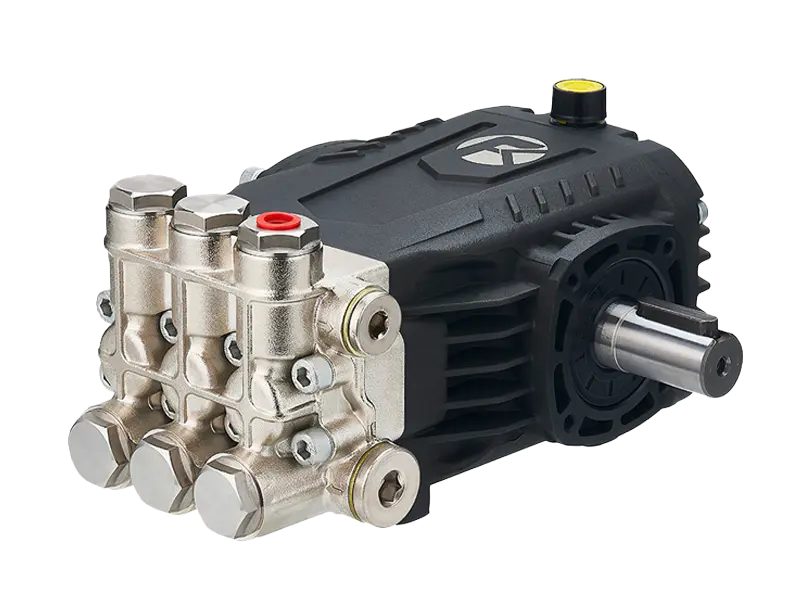
How High-Pressure Water Pumps Improve Cleaning Efficiency
These pumps deliver water at elevated pressure, creating a forceful jet that loosens dirt, residue, deposits from surfaces. That mechanical action makes cleaning more effective when contaminants have stuck firmly to equipment or structural surfaces. A maintenance team might need to remove accumulated mud from machinery, rinse residue from metal components, clean deposits from concrete floors. A properly configured high-pressure system targets these areas directly and may reduce the need for repeated scrubbing. The right pressure depends on the application. Too much pressure damages coatings, seals, insulation, softer materials. So select equipment according to the surface, soil type, cleaning procedure—not just the highest available pressure.
Pressure and Flow Rate Both Affect Cleaning Speed
Pressure matters, but it's only one part of the picture. Water flow rate determines how much water the system delivers over a given period. Pressure helps dislodge contaminants. Adequate flow helps carry loosened material away. A pump with high pressure but insufficient flow may remove a patch of dirt effectively while taking longer to rinse a large area. A system with a suitable balance of pressure and flow often completes both steps more efficiently. Other factors matter too: nozzle distance from the surface, spray angle, nozzle type, consistency of water supply. Match these to the cleaning task and you avoid wasted time and unnecessary water consumption.
Which Industrial Cleaning Tasks Benefit Most?
High-pressure cleaning works across a range of industrial environments, though results vary with material and contaminant.
- Manufacturing equipment: Removes oil residue, dust, process buildup from compatible machine surfaces during scheduled maintenance.
- Concrete floors and loading areas: Dislodges embedded dirt, mud, some grease deposits—especially when drainage handles the runoff.
- Warehouses and logistics facilities: Supports cleaning of loading docks, vehicle areas, outdoor hard surfaces.
- Food and beverage operations: Assists with approved washdown procedures when equipment, water quality, cleaning agents, hygiene controls are appropriate.
- Construction and heavy equipment: Removes soil, mud, debris from equipment and tools, subject to manufacturer cleaning recommendations.
Assess contamination risks before choosing a method. High-pressure spray can spread aerosols or push contaminants into bearings, electrical enclosures, sensitive areas. Applications involving hazardous substances or strict hygiene requirements may need specialized procedures.
Key Factors That Influence Cleaning Time
Buying a more powerful pump doesn't automatically guarantee faster cleaning. Operational decisions often determine how much time the system actually saves.
| Factor | Effect on Cleaning Time | Practical Approach |
|---|---|---|
| Pressure | Influences how effectively deposits are loosened | Choose a pressure suitable for the surface and soil |
| Flow rate | Affects rinsing speed and debris removal | Match flow to the area and cleaning requirements |
| Nozzle type | Changes spray pattern, coverage, and impact | Select a nozzle for the task and follow equipment guidance |
| Water temperature | May improve removal of certain oils and greases | Use heated water only when suitable for the material and process |
| Setup and access | Hose handling and equipment movement add downtime | Plan hose routes and position the pump near the work area |
| Operator training | Affects consistency, coverage, and safety | Train staff on operating procedures and cleaning patterns |
An appropriate pump, nozzle, water supply, and workflow can produce better results than changing pump pressure alone.
How to Measure the Time Savings
Establish a baseline before investing in new cleaning equipment. Record how long a typical job takes, how many workers are required, how much water is consumed, whether the cleaned surface meets the required standard. Then run a controlled trial using the proposed high-pressure system. Keep the cleaning area, contamination level, acceptance criteria, and staffing as consistent as possible. Compare results across several cleaning cycles so an unusual job doesn't distort the findings.
Useful performance indicators:
- Cleaning cycle time: Time required to complete the task to the required standard.
- Labor hours per job: Combined working time of everyone involved.
- Water and energy consumption: Resources used during each cleaning cycle.
- Rework rate: How often an area needs additional cleaning.
- Equipment downtime: Time production assets remain unavailable for cleaning and maintenance.
A faster cycle is most valuable when it maintains the required cleaning quality. Tracking these indicators helps distinguish genuine productivity improvements from changes that just shift time or cost elsewhere.
Safety and Maintenance Protect Productivity
High-pressure water can cause severe injection injuries, damage surfaces, create slipping hazards. Operators need task-specific training, appropriate protective equipment, a clear operating procedure. Never direct a jet toward people. Never inspect or repair a pressurized connection. Before cleaning, isolate equipment when required, protect electrical components, confirm hoses and fittings are rated for the operating conditions, establish controls for runoff. Follow the pump manufacturer's instructions for pressure limits, nozzle selection, maintenance. Some tasks need additional controls for chemicals, hot water, confined spaces, contaminated wastewater.
Routine maintenance matters too. Inspect hoses, connections, seals, filters, nozzles for wear or blockage. Follow the manufacturer's schedule for lubrication and servicing. Investigate unusual vibration, leakage, pressure fluctuations promptly. Poorly maintained equipment reduces cleaning performance and causes avoidable interruptions.
Choose a Pump That Fits the Facility's Workload
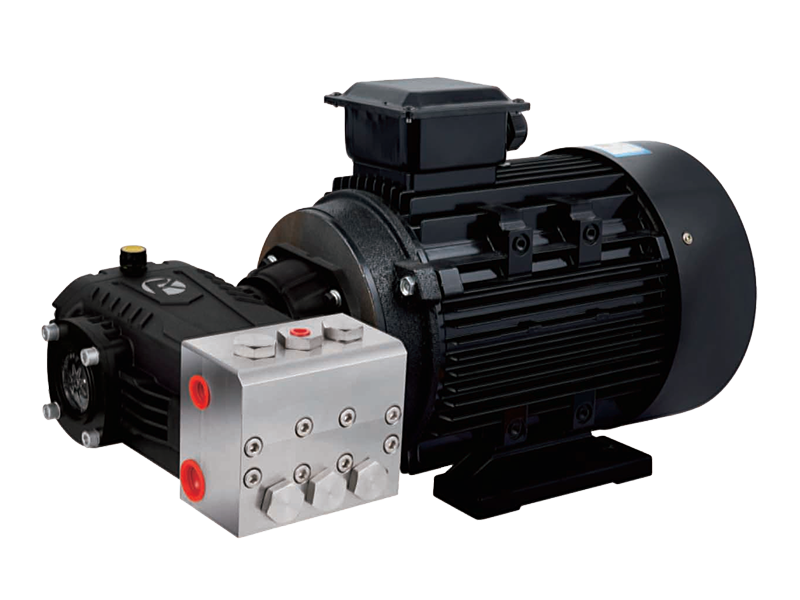
When evaluating High-Pressure Water Pumps, start with the most frequent and time-consuming cleaning tasks. Define required pressure and flow rate, estimate daily operating hours, check available water and power supplies, consider whether the system needs to be portable or permanently installed. Ask suppliers for performance data under the proposed operating conditions, compatible accessories, service requirements, support availability. A demonstration using representative surfaces and contaminants is especially useful—lets the team verify cleaning quality and cycle time before buying.
Turn Faster Cleaning Into Measurable Productivity
High-pressure water pumps can reduce cleaning time by improving contaminant removal, supporting faster rinsing, helping staff complete demanding tasks more consistently. The actual benefit depends on correct equipment sizing, suitable operating settings, safe work practices, the nature of the cleaning job. Facilities that test equipment against defined performance indicators are better positioned to make a sound investment. Combine the right pump configuration with effective workflow planning and preventive maintenance—that's how industrial operators improve cleaning efficiency while maintaining equipment integrity and workplace safety.
Previous Post
No previous article
Next Post
How Fuel Compatibility Affects Gas and Diesel Pump Seal Life
Related Products

CONTACT US
- Address: No. 2880, East Section of Development Avenue, Sanjia Street, Taizhou Bay New District, Taizhou City, Zhejiang, China.
- Tel: +86-13665766622
+86-18806588150 - E-mail: [email protected]
Copyright © Taizhou Feike Mechanical Technology Co., Ltd.

Wholesale Triplex Plunger Pump Factory