

 English
 Español
 русский
Continuous Operation Suitability of High-Pressure Pumps
2026-02-13
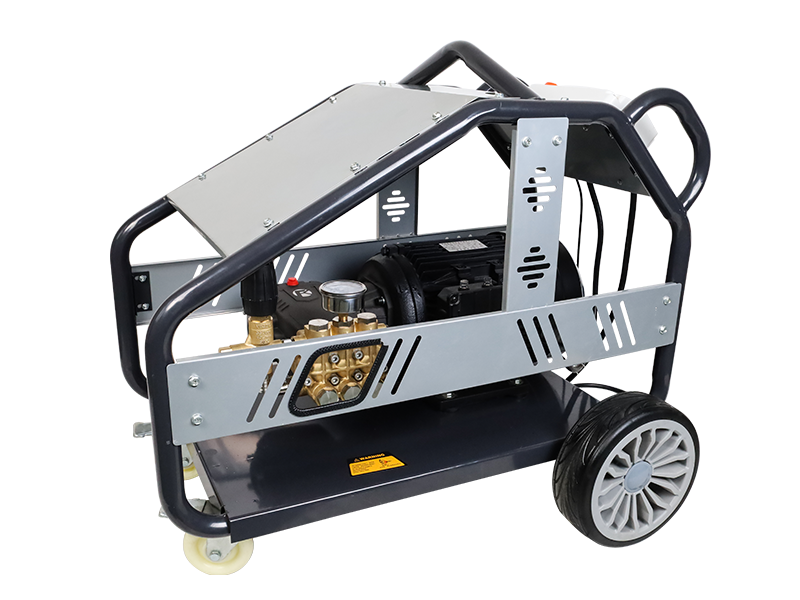
High-pressure pumps are widely used in industrial applications such as chemical processing, water treatment, oilfields, and power generation. Many industries require pumps to operate continuously for extended periods, sometimes 24/7, to maintain production efficiency. Determining whether a High-Pressure Pump is suitable for long-term continuous operation depends on several factors, including design, materials, cooling systems, and maintenance practices. Manufacturers, especially a trusted High Pressure Pump Factory, often provide detailed specifications to help operators choose pumps suitable for sustained operation.
Pump Design and Durability
The design of a high-pressure pump plays a critical role in its ability to handle continuous operation. Pumps with robust construction, high-quality materials, and precision-engineered components can withstand prolonged stress without significant wear. Multi-plunger designs, such as three-plunger pumps, distribute pressure evenly, reducing stress on individual components and extending the pump’s service life. Proper design ensures consistent flow rates, maintains pressure stability, and reduces the risk of mechanical failure during extended operation.
Material Selection and Component Quality
The materials used in a pump’s construction directly impact its ability to run continuously. High-grade stainless steel, alloy steels, and corrosion-resistant components are preferred for handling high pressure and aggressive fluids over long periods. Seals, gaskets, and bearings must also be selected for high durability and wear resistance. High-quality materials reduce downtime caused by component failure, reduce maintenance requirements, and ensure reliable long-term performance. High Pressure Pump Factory providers often offer enhanced material options for industrial applications requiring continuous operation.
Cooling and Thermal Management
Continuous operation generates heat, which can damage pump components and reduce efficiency. Effective thermal management, such as integrated cooling systems or circulating fluid designs, helps maintain suitable operating temperatures. Proper heat dissipation prevents overheating, preserves the integrity of seals and gaskets, and extends the pump’s life. Pumps designed for continuous operation often include monitoring systems to detect temperature fluctuations and alert operators to potential issues before damage occurs.
Maintenance and Lubrication Requirements
Even pumps designed for continuous use require regular maintenance to ensure reliable operation. Lubrication of moving parts, inspection of seals and bearings, and checking for wear or leaks are essential. Scheduled preventive maintenance reduces the likelihood of unexpected downtime and helps maintain suitable performance. Continuous operation suitability also depends on following the manufacturer's guidelines for service intervals and using approved lubricants and fluids.
Application Considerations
Not all High Pressure Pumps are designed for 24/7 continuous operation. Factors such as fluid type, operating pressure, temperature, and ambient conditions must be considered. Pumps intended for intermittent use may overheat or wear quickly if operated continuously. Operators should consult specifications provided by a High Pressure Pump Factory and choose models explicitly rated for sustained operation to ensure safety and reliability.
High Pressure Pump suitability for long-term continuous operation depends on design, material quality, cooling systems, and proper maintenance. Pumps engineered for extended use, combined with effective thermal management and high-quality components, can operate reliably in demanding industrial environments. Following manufacturer guidelines and conducting regular preventive maintenance ensures consistent performance, reduces downtime, and extends the pump’s service life. Selecting the right pump model allows industries to maintain continuous production while reducing operational risks and costs.
Previous Post
High Temperature Performance of Stainless Steel Pumps
Next Post
Inlet and Outlet Materials for Three Plunger High Pressure Pumps
Related Products

CONTACT US
- Address: No. 2880, East Section of Development Avenue, Sanjia Street, Taizhou Bay New District, Taizhou City, Zhejiang, China.
- Tel: +86-13665766622
+86-18806588150 - E-mail: [email protected]
Copyright © Taizhou Feike Mechanical Technology Co., Ltd.

Wholesale Triplex Plunger Pump Factory