

 English
 Español
 русский
High Temperature Performance of Stainless Steel Pumps
2026-02-20
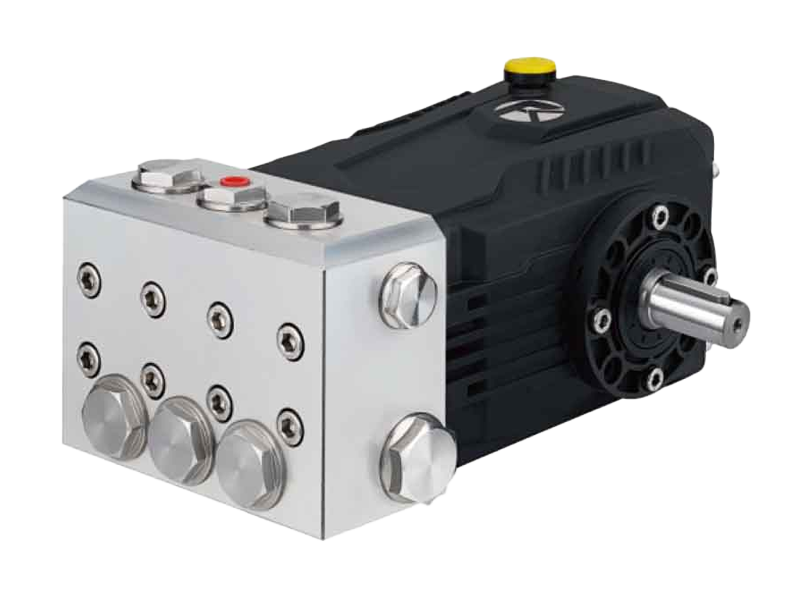
Stainless Steel Pumps are widely used in chemical plants, oilfields, and other industrial environments where fluids often reach elevated temperatures. Their corrosion resistance and mechanical strength make them ideal for harsh operating conditions. However, high-temperature environments introduce challenges such as thermal expansion, seal degradation, and accelerated wear. Evaluating the high-temperature performance of a Stainless Steel Pump is essential for ensuring reliability, safety, and long-term operation. Many Stainless Steel Pump Factory manufacturers design pumps specifically to withstand bad temperatures while maintaining consistent efficiency and durability.
Material Advantages for High-Temperature Applications
The key to high-temperature performance lies in the materials used for the pump’s construction. Stainless steel, particularly high-grade alloys such as 316 or duplex stainless steel, provides good resistance to both corrosion and thermal stress. These materials maintain structural integrity under elevated temperatures, ensuring the pump can handle aggressive chemicals and hot fluids without warping or deforming. In addition, stainless steel resists scaling and oxidation, which are common issues in high-temperature chemical and oilfield environments. Selecting the correct stainless steel grade is critical to achieving suitable performance.
Seal and Gasket Considerations
Seals and gaskets are often the vulnerable components under high temperatures. Excessive heat can cause elastomers to soften, lose elasticity, or chemically degrade, causing leaks and decreased pump efficiency. High-quality Stainless Steel Pump Factory products typically use high-temperature-resistant materials such as PTFE, Viton, or silicone-based elastomers for seals and gaskets. Proper installation, regular inspection, and preventive maintenance are necessary to ensure long-term performance and reduce downtime in demanding applications.
Thermal Management Solutions
In chemical or oilfield operations, managing heat is critical to maintaining pump efficiency. Some stainless steel pumps include cooling jackets or circulating fluid systems to regulate the temperature of critical components. Effective thermal management prevents overheating, reduces internal wear, and maintains consistent flow and pressure. By controlling temperature, these pumps can operate safely under prolonged exposure to high-heat conditions without compromising performance.
Impact on Efficiency and Longevity
High temperatures can increase friction, accelerate component wear, and reduce overall pump efficiency. Stainless steel pumps designed for elevated temperature environments maintain suitable clearances, proper lubrication, and structural stability to reduce these effects. Regular maintenance, including monitoring operating temperatures and inspecting key components, ensures the pump remains reliable. Properly designed high-temperature stainless steel pumps offer extended service life, reduce the risk of unexpected failures, and lower operational costs.
Application-Specific Recommendations
Chemical processing and oilfield environments often require customized pump solutions. Selecting a stainless steel pump compatible with fluid composition, temperature range, and pressure requirements is essential. Consulting with manufacturers and reviewing material specifications helps ensure the pump meets operational demands. Stainless Steel Pump Factory providers frequently offer specialized models or material upgrades to handle highly corrosive or high-temperature applications safely and efficiently.
The high-temperature performance of a stainless steel pump is critical for safe and reliable operation in chemical and oilfield environments. Using high-grade stainless steel, heat-resistant seals, and effective thermal management ensures durability and consistent efficiency. Regular maintenance and adherence to manufacturer specifications further enhance reliability under extreme conditions. By prioritizing high-temperature capabilities, operators can maintain suitable performance, extend equipment lifespan, and reduce operational risks and costs.
Previous Post
Surfaces Suitable for High-Pressure Washer Cleaning
Next Post
Continuous Operation Suitability of High-Pressure Pumps
Related Products


CONTACT US
- Address: No. 2880, East Section of Development Avenue, Sanjia Street, Taizhou Bay New District, Taizhou City, Zhejiang, China.
- Tel: +86-13665766622
+86-18806588150 - E-mail: [email protected]
Copyright © Taizhou Feike Mechanical Technology Co., Ltd.

Wholesale Triplex Plunger Pump Factory