

 English
 Español
 русский
High-Pressure Washers Achieve Precise Pressure Control
2026-04-24
A high-pressure washer is a powerful tool designed to clean surfaces with high-pressure water. Achieving precise pressure control is crucial for effective cleaning without damaging surfaces or wasting water. The ability to adjust the pressure allows for versatility in cleaning different materials and dirt types. Manufacturers at a High Pressure Washer Factory design these systems with advanced features to regulate pressure, providing users with greater control over their cleaning tasks.
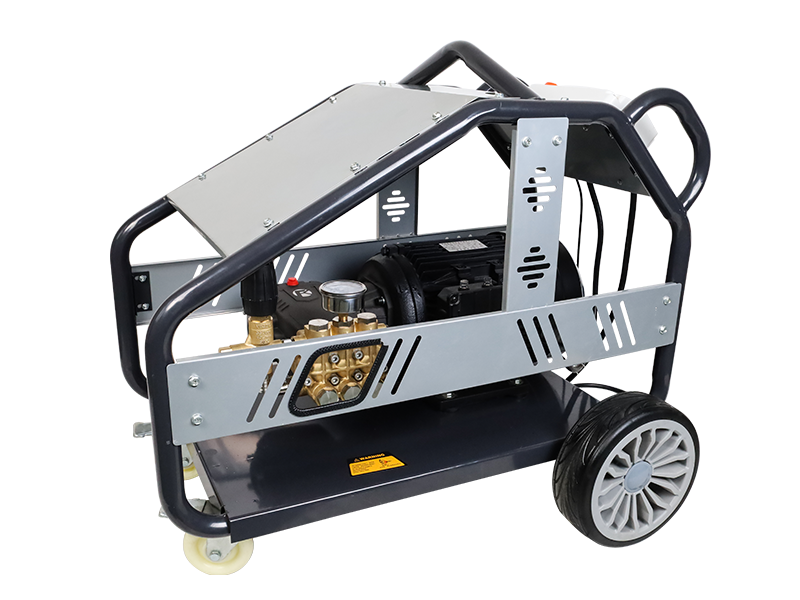
Key Components for Pressure Adjustment
- Pressure Regulator: One of the main features enabling precise pressure control is the pressure regulator. This component adjusts the flow of water through the pump, ensuring that the correct pressure is maintained based on the user’s settings. Pressure regulators allow for quick adjustments depending on the surface or task, from delicate cleaning to heavy-duty jobs.
- Variable Nozzles: High-pressure washers often come equipped with different nozzle types that can change the pressure of the water stream. Nozzles with adjustable angles allow users to control how concentrated or spread out the pressure is, further improving precision during use. The common nozzles include 0°, 15°, 25°, and 40°, each offering different spray patterns and pressure levels.
- Bypass System: The bypass system is another key feature that helps maintain consistent pressure during operation. It redirects water back to the pump when the trigger is released, preventing pressure spikes and ensuring the washer operates efficiently without overloading the pump.
Adjustable Features for Precise Control
- Pressure Adjustment Knob: Many high-pressure washers feature a built-in knob or dial that allows users to manually adjust the pressure. This gives the user direct control over the intensity of the spray, ensuring the correct pressure is used for different tasks. Whether cleaning concrete or washing a car, the adjustment knob helps tailor the pressure for suitable performance.
- Electronic Pressure Control (EPC): More advanced high-pressure washers may include electronic systems that automatically adjust the pressure based on real-time data. EPC technology uses sensors to detect changes in water flow and pressure, adjusting the output to maintain consistent performance throughout the cleaning process.
Benefits of Precise Pressure Adjustment
- Safety and Damage Prevention: One of the key advantages of pressure adjustment is that it prevents damage to surfaces. High-pressure washers can cause damage if too much force is applied to delicate materials, such as wooden decks or car paint. With precise pressure control, users can ensure that the right pressure is applied for safe and effective cleaning.
- Water Efficiency: By adjusting the pressure to suit the cleaning task, high-pressure washers use water more efficiently, reducing waste. Lower pressure settings allow for more delicate jobs with less water consumption, while higher pressure settings are ideal for tough grime and larger areas.
- Versatility: Precise pressure control makes high-pressure washers versatile tools. Users can switch from cleaning soft surfaces like furniture to more robust surfaces like concrete with ease, adjusting the pressure to match the needs of each task.
A high-pressure washer relies on a combination of features to achieve precise pressure control, from manual adjustments and variable nozzles to advanced electronic systems. These features provide users with flexibility, ensuring that the right amount of pressure is applied for each cleaning task.
Previous Post
Prevent Cavitation in Three-Plunger High-Pressure Pumps
Next Post
Impact of High-Temperature and Corrosive Fluids on Stainless Steel Pumps
Related Products

CONTACT US
- Address: No. 2880, East Section of Development Avenue, Sanjia Street, Taizhou Bay New District, Taizhou City, Zhejiang, China.
- Tel: +86-13665766622
+86-18806588150 - E-mail: [email protected]
Copyright © Taizhou Feike Mechanical Technology Co., Ltd.

Wholesale Triplex Plunger Pump Factory