

 English
 Español
 русский
Home / News / Industry News / Impact of High-Temperature and Corrosive Fluids on Stainless Steel Pumps
Impact of High-Temperature and Corrosive Fluids on Stainless Steel Pumps
2026-04-17
High-temperature and corrosive fluids can still have significant effects on these pumps, influencing their performance, longevity, and reliability. Understanding how these factors impact a Stainless Steel Pump is crucial for selecting the right materials and maintaining suitable pump performance. Pumps manufactured by a trusted Stainless Steel Pump Factory are designed to withstand harsh conditions, but ongoing maintenance and careful fluid management are essential.
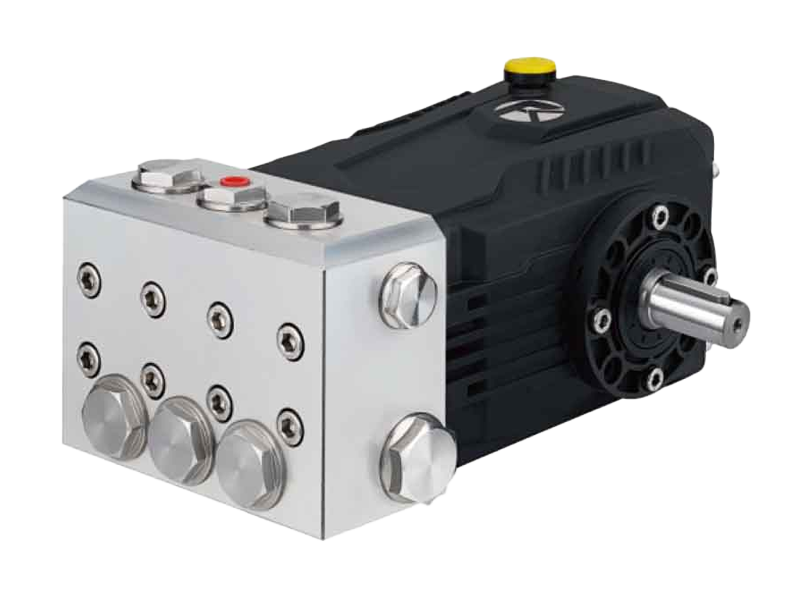
Effects of High-Temperature Fluids
- Thermal Expansion and Material Stress: When exposed to high temperatures, stainless steel can undergo thermal expansion, causing increased stress on pump components. This can cause misalignment, deformation, or even cracking over time. Pumps must be designed to handle specific temperature ranges to avoid such damage.
- Loss of Material Strength: At elevated temperatures, stainless steel may experience a decrease in tensile strength, reducing its ability to withstand pressure and mechanical stress. Over time, this can cause weakened pump parts, affecting efficiency and increasing the risk of failure.
- Sealing and Lubrication Challenges: High temperatures can affect the performance of seals, O-rings, and lubricants within the pump. Seals may become brittle or deform, causing leaks, while lubricants can degrade faster, increasing friction and wear.
Effects of Corrosive Fluids
- Corrosion Resistance Limitations: While stainless steel is known for its corrosion resistance, aggressive chemicals such as acids, alkalis, or salts can gradually break down the material, especially when exposed over long periods. This corrosion causes pitting, rust formation, and eventual structural failure if not properly managed.
- Surface Degradation: Continuous exposure to corrosive fluids can erode the pump’s surface, reducing its smoothness and increasing the likelihood of clogging or inefficient flow. As the surface roughens, the pump becomes less effective at maintaining suitable performance.
- Material Selection for Specific Fluids: Certain grades of stainless steel are more resistant to specific corrosive agents. Pumps designed by a Stainless Steel Pump Factory will often use specialized alloys such as 316 stainless steel, which offers better resistance to corrosion from harsh chemicals. Choosing the right grade is crucial for ensuring long-term durability in corrosive environments.
Impact on Pump Efficiency and Performance
- Decreased Efficiency: The degradation caused by high temperatures and corrosive fluids can cause a decline in pump efficiency. Damaged components require more power to operate, reducing the overall energy efficiency of the pump.
- Increased Maintenance Requirements: Corrosive and high-temperature conditions increase wear and tear on the pump, causing more frequent repairs and replacements. Regular monitoring of the pump's components is essential to ensure that the system operates smoothly and does not suffer from excessive downtime.
- Flow Disruptions: Any internal damage caused by heat or corrosion can disrupt the pump’s flow, causing irregular output or decreased flow rates. This is particularly problematic in systems that require precise flow control, such as in chemical processing or water treatment facilities.
High-temperature and corrosive fluids can significantly impact the performance and longevity of stainless steel pumps. While these pumps offer good resistance to corrosion and heat, prolonged exposure to aggressive fluids requires careful selection, proper maintenance, and timely adjustments. By working with a Stainless Steel Pump Factory that understands the challenges of harsh environments, operators can ensure the reliability and efficiency of their pumps for years to come.
Previous Post
High-Pressure Washers Achieve Precise Pressure Control
Next Post
Ensuring Leak-Free Seals in High-Pressure Pumps
Related Products

CONTACT US
- Address: No. 2880, East Section of Development Avenue, Sanjia Street, Taizhou Bay New District, Taizhou City, Zhejiang, China.
- Tel: +86-13665766622
+86-18806588150 - E-mail: [email protected]
Copyright © Taizhou Feike Mechanical Technology Co., Ltd.

Wholesale Triplex Plunger Pump Factory