

 English
 Español
 русский
Ensuring Leak-Free Seals in High-Pressure Pumps
2026-04-10
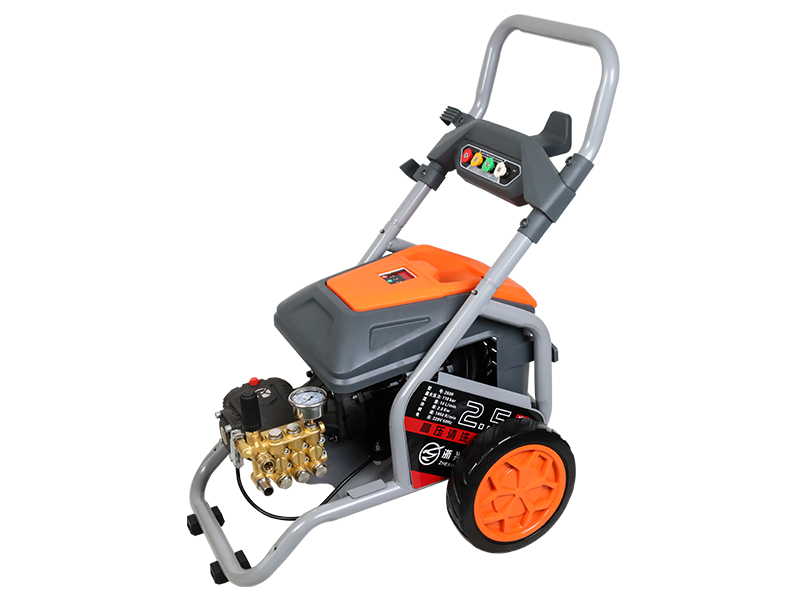
The sealing system is a critical component of any high-pressure pumping system. Without a reliable seal, leaks can compromise performance, reduce efficiency, and even create safety hazards. Manufacturers from a reputable High Pressure Pump Factory focus on designing seals that withstand bad pressures, high temperatures, and corrosive fluids.
Types of Seals in High-Pressure Pumps
- Mechanical Seals: Mechanical seals are commonly used in high-pressure pumps to provide a tight barrier between the pump chamber and the external environment. These seals use precisely machined surfaces pressed together to prevent fluid from escaping. They are highly effective under high-pressure and temperature conditions.
- Packing Seals: Packing seals consist of rings of soft material, such as graphite or PTFE, wrapped around the pump shaft. Tightened in the pump’s gland, they create friction that prevents leakage. While packing seals are effective, they require careful maintenance to avoid wear and overheating.
- O-Rings and Gaskets: O-rings and gaskets provide secondary sealing solutions at joints and connections. They prevent fluid from leaking at interfaces between pump components. Choosing the correct material for the specific fluid and pressure is essential for long-term reliability.
Design Features That Prevent Leakage
- Material Selection: High-quality seal materials are resistant to wear, corrosion, and thermal expansion. Elastomers, PTFE, and specialized metals ensure the seals maintain their integrity even under bad conditions.
- Precision Engineering: Tight tolerances in the pump’s housing and shaft prevent gaps that could allow fluid to escape. Accurate machining and assembly ensure that seals fit well, reducing leakage risks.
- Pressure Compensation: Some high-pressure pumps are designed with pressure-balanced seals, which adjust to the system pressure to maintain an effective barrier. This design reduces stress on the seal and prolongs its life.
Maintenance Practices for Leak Prevention
- Regular Inspection: Routine checks for wear, cracks, or deformation in seals help prevent leaks before they occur. Early detection can avoid costly downtime and damage.
- Proper Lubrication: Mechanical seals often require lubrication from the pumped fluid or external sources to reduce friction and heat. Proper lubrication prevents seal degradation and ensures smooth operation.
- Replacement Protocols: Seals are wear items, and replacing them at recommended intervals helps maintain performance. Using genuine components from a High Pressure Pump Factory ensures compatibility and reliability.
Operational Strategies
- Avoiding Overpressure: Operating a pump within its rated pressure limits prevents excessive stress on seals, reducing the likelihood of leaks.
- Temperature Management: High temperatures can soften or deform sealing materials. Using cooling systems or temperature-resistant seals helps maintain integrity.
- Handling Abrasive Fluids: Fluids containing solid particles or abrasive materials can erode seals. Filters or pre-treatment systems reduce the risk of seal damage.
Advantages of Effective Sealing Systems
- Enhanced Safety: Proper seals prevent fluid leaks that could cause hazards, such as chemical exposure or slippery surfaces.
- Increased Efficiency: Leak-free operation ensures that the pump delivers the expected flow and pressure without loss.
- Extended Equipment Life: Reducing leakage and friction reduces wear on internal components, extending the overall lifespan of the pump.
A high-pressure pump’s sealing system is fundamental to its safe and efficient operation. Through careful design, material selection, and precision engineering, these systems prevent leaks under challenging conditions. Routine maintenance, proper lubrication, and operational awareness further enhance reliability. Sourcing equipment from a trusted High Pressure Pump Factory ensures that pumps are equipped with durable, high-quality seals, allowing operators to achieve suitable performance and long-term operational stability.
Previous Post
Impact of High-Temperature and Corrosive Fluids on Stainless Steel Pumps
Next Post
Fluid Viscosity Effects on Three-Plunger High-Pressure Pump
Related Products

CONTACT US
- Address: No. 2880, East Section of Development Avenue, Sanjia Street, Taizhou Bay New District, Taizhou City, Zhejiang, China.
- Tel: +86-13665766622
+86-18806588150 - E-mail: [email protected]
Copyright © Taizhou Feike Mechanical Technology Co., Ltd.

Wholesale Triplex Plunger Pump Factory