

 English
 Español
 русский
Fluid Viscosity Effects on Three-Plunger High-Pressure Pump
2026-04-03
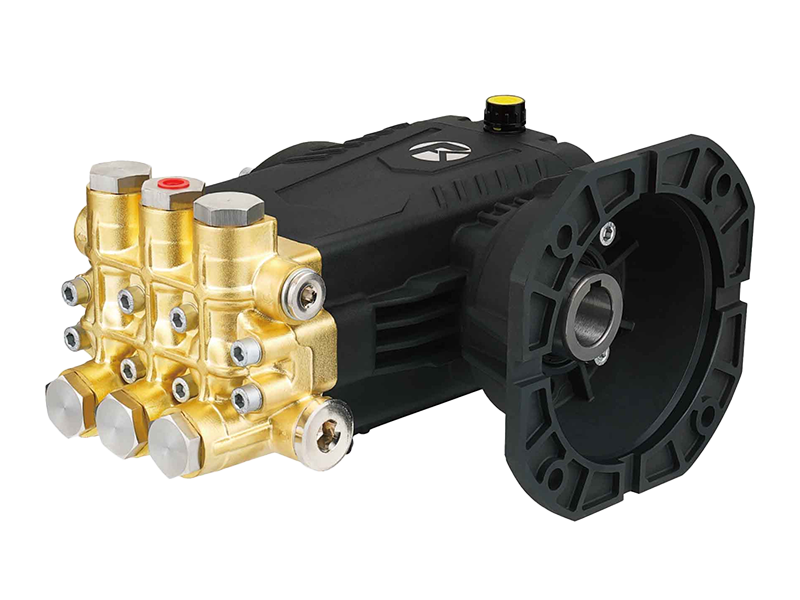
The performance of a Three Plunger High Pressure Pump is significantly influenced by the viscosity of the fluid it handles. Viscosity, a measure of a fluid’s resistance to flow, directly affects flow rate, pressure, efficiency, and even pump longevity. Understanding these effects is essential for selecting the right pump and optimizing operation across industrial applications such as chemical processing, oil transfer, and high-pressure cleaning systems.
How Viscosity Influences Pump Performance
- Flow Rate Variation: High-viscosity fluids move more slowly through the pump chambers, reducing the volumetric flow rate. Conversely, low-viscosity fluids flow more easily, allowing the pump to achieve its designed output more efficiently. Adjusting pump speed and timing may be necessary to accommodate different fluid viscosities.
- Pressure Impact: While a Three Plunger High Pressure Pump is designed to maintain high pressures, thicker fluids can increase resistance, potentially lowering peak output pressure if the pump is not properly configured. Low-viscosity fluids, on the other hand, may allow the pump to reach or exceed its pressure more easily.
- Cavitation Risk: High-viscosity fluids can sometimes reduce cavitation because they absorb energy more effectively. However, excessively thick fluids may cause suction problems, causing pressure fluctuations or air pockets that negatively impact pump performance.
Efficiency Considerations
- Energy Consumption: Pumping high-viscosity fluids requires more energy due to increased friction and resistance inside the pump. This can result in higher operational costs and greater wear on moving components. Low-viscosity fluids generally require less power, improving overall efficiency.
- Mechanical Strain: Thicker fluids place additional stress on plungers, seals, and bearings, which can accelerate wear and reduce the lifespan of the pump. Using a three-plunger high-pressure pump from a reputable manufacturer ensures materials are selected to withstand these stresses.
Operational Adjustments for Different Fluids
- Speed Control: Reducing pump speed can help manage high-viscosity fluids, preventing overheating and excessive pressure drops. For low-viscosity fluids, speed adjustments ensure that flow remains stable and the system does not over-pressurize.
- Temperature Management: Heating viscous fluids can reduce viscosity, improving flow and reducing the mechanical load on the pump. Cooling may be necessary for low-viscosity fluids in high-speed operations to avoid cavitation and excessive wear.
- Seal and Plunger Selection: Using seals and plungers specifically designed for high-viscosity fluids reduces leakage and maintains consistent performance. Low-viscosity fluids may require tighter tolerances to prevent internal slippage and ensure efficiency.
Maintenance and Longevity Implications
- Wear Monitoring: Fluids with higher viscosity increase the likelihood of wear on pump components due to higher friction and pressure differentials. Regular inspection of plungers, seals, and bearings is essential.
- Cleaning Considerations: High-viscosity fluids can leave residues that accumulate inside the pump, potentially affecting future performance. Proper flushing and maintenance routines help prevent buildup.
- Lubrication Needs: Adjusting lubrication strategies based on fluid viscosity can help reduce mechanical stress and extend component life.
The viscosity of the fluid is a critical factor that directly impacts the efficiency, pressure, flow rate, and durability of a Three Plunger High Pressure Pump. High-viscosity fluids increase mechanical stress and reduce flow efficiency, while low-viscosity fluids require careful pressure and speed management. By understanding these effects and implementing operational adjustments such as temperature control, speed regulation, and appropriate component selection, operators can maintain suitable performance, prolong pump life, and ensure consistent results across various industrial applications.
Previous Post
Ensuring Leak-Free Seals in High-Pressure Pumps
Next Post
Advantages of Hot Water High Pressure Washers
Related Products

CONTACT US
- Address: No. 2880, East Section of Development Avenue, Sanjia Street, Taizhou Bay New District, Taizhou City, Zhejiang, China.
- Tel: +86-13665766622
+86-18806588150 - E-mail: [email protected]
Copyright © Taizhou Feike Mechanical Technology Co., Ltd.

Wholesale Triplex Plunger Pump Factory