

 English
 Español
 русский
Prevent Cavitation in Three-Plunger High-Pressure Pumps
2026-05-01
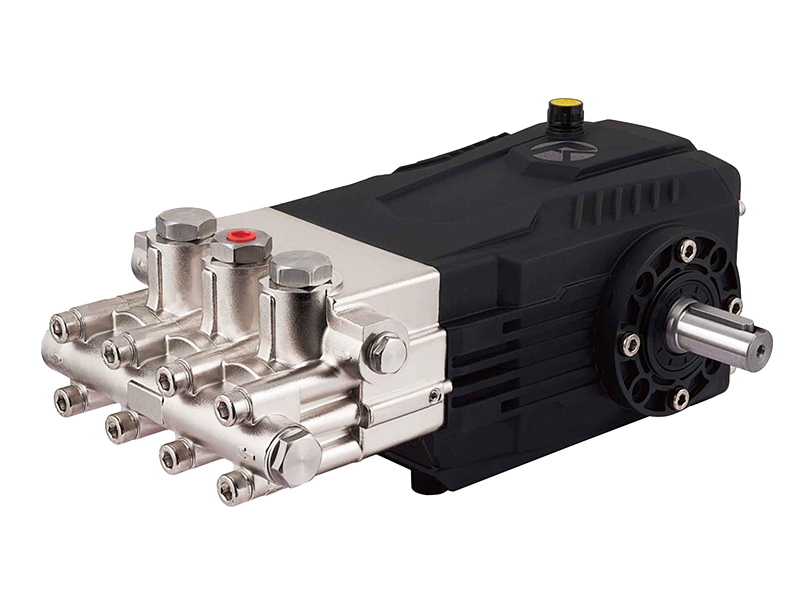
Cavitation is a common issue in high-pressure pumps, particularly in three-plunger high-pressure pumps. It occurs when pressure drops below the vapor pressure of the liquid, forming vapor bubbles that collapse, creating shockwaves that can cause damage to the pump components. Preventing cavitation is crucial for maintaining pump efficiency and extending the lifespan of the equipment. Pumps manufactured by a reputable Three Plunger High Pressure Pump Factory are often designed with cavitation prevention in mind, but proper operation and maintenance are still necessary.
Causes of Cavitation
- Low Inlet Pressure: Cavitation is often caused by low pressure at the pump's inlet, which can occur due to excessive suction head or improper installation. When the inlet pressure is insufficient, vapor bubbles form in the fluid before it enters the pump.
- High Pump Speed: Operating the pump at excessive speeds can increase the flow velocity and decrease the pressure, causing cavitation. Higher pump speeds often result in inadequate pressure at the inlet, which can trigger bubble formation.
- Clogged Filters or Strainers: Blockages in the pump's intake system can restrict the flow of liquid into the pump, causing low pressure and cavitation. A buildup of dirt or debris in the filters or strainers can exacerbate this issue.
Methods to Prevent Cavitation
- Ensure Proper Inlet Pressure: Maintaining an appropriate inlet pressure is an effective way to prevent cavitation. Ensuring that the fluid entering the pump is at the correct pressure can prevent the formation of vapor bubbles. This can be achieved by adjusting the suction lines, ensuring that the pump is properly primed, and preventing any air from entering the system.
- Use a Properly Sized Pump: Sizing the pump correctly for the application is crucial. If a pump is too large for the required flow rate, it can cause excessive suction pressure drops. A Three Plunger High Pressure Pump Factory typically provides expert advice on selecting the appropriate pump for specific applications, ensuring suitable performance and cavitation resistance.
- Adjust Pump Speed: Limiting the pump speed can help prevent cavitation. When the speed is too high, the pressure drop across the pump increases, which can cause cavitation. Reducing the pump speed ensures that the pressure at the inlet remains above the vapor pressure of the liquid, preventing the formation of bubbles.
- Install a Cavitation Detection System: Modern pumps often include cavitation detection systems that monitor the pressure and temperature inside the pump. These systems can alert operators when cavitation is occurring, allowing for quick adjustments before damage occurs.
- Maintain Clean Filters and Strainers: Regular cleaning and maintenance of filters and strainers are essential to ensure unrestricted flow into the pump. Any blockages or debris in the intake system can cause pressure drops and promote cavitation.
Importance of Proper Pump Maintenance
- Regular Inspection: Regular inspection of the pump’s components, including the inlet, filters, and pump parts, can identify early signs of cavitation. Early detection and maintenance can prevent further damage and improve the longevity of the pump.
- Pump Condition Monitoring: Monitoring the pump’s condition through vibration analysis or acoustic sensors can help detect cavitation in real-time. This allows operators to take corrective actions before significant damage occurs.
Cavitation can significantly impact the performance and durability of a Three-Plunger High-Pressure Pump. Preventing cavitation involves maintaining proper inlet pressure, ensuring the pump is correctly sized, managing pump speed, and performing regular maintenance. Working with a reputable Three Plunger High Pressure Pump Factory ensures that pumps are built with the necessary features to reduce cavitation risks, but operational practices and routine checks are also critical for suitable performance.
Previous Post
What are Common Problems with Feike High Pressure Pump
Next Post
High-Pressure Washers Achieve Precise Pressure Control
Related Products

CONTACT US
- Address: No. 2880, East Section of Development Avenue, Sanjia Street, Taizhou Bay New District, Taizhou City, Zhejiang, China.
- Tel: +86-13665766622
+86-18806588150 - E-mail: [email protected]
Copyright © Taizhou Feike Mechanical Technology Co., Ltd.

Wholesale Triplex Plunger Pump Factory