

 English
 Español
 русский
Home / News / Industry News / How Can Smart Control Technology Improve Modern High-Pressure Washer Equipment?
How Can Smart Control Technology Improve Modern High-Pressure Washer Equipment?
2026-11-13
A pressure washer used in a car wash doesn't have the same job as one cleaning oil residue from industrial machinery. The pressure, water flow, and running time can be quite different. Yet many conventional machines operate with limited adjustment once they are switched on.
Electronic controls have changed this. Modern high-pressure washers can use sensors to monitor working conditions, regulate motor speed, and stop the pump when certain faults occur. For equipment manufacturers, the challenge is deciding which features are genuinely useful rather than simply adding more electronics.
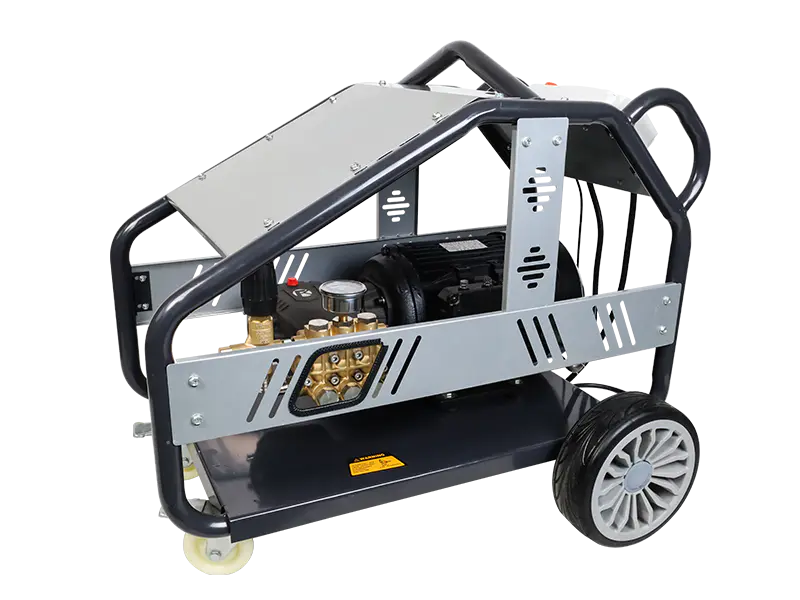
Pressure Control Without Constant Manual Adjustment
High pressure isn't always what a cleaning job needs. On painted vehicle surfaces, excessive pressure can damage coatings or seals. Removing stubborn deposits from metal equipment is a different job and may require a stronger water jet.
Some washers now use digital controls to let operators select pressure settings. More advanced models use pressure sensors to monitor output and adjust pump operation.
The adjustment still has limits. Nozzle size, spray angle, distance from the surface, and water flow all affect cleaning results. A digital pressure setting cannot make an unsuitable nozzle safe for delicate materials.
What Can Sensors Detect?
A washer is exposed to changing water pressure, motor temperature, and inlet conditions throughout operation. When something goes wrong, the damage may begin before the operator notices a change in performance.
Depending on the machine, sensors can monitor:
- Pressure: Detects abnormal pressure readings during operation.
- Water flow: Identifies insufficient supply or irregular water delivery.
- Temperature: Monitors motor or pump overheating.
- Water inlet conditions: Helps prevent operation when the water supply is inadequate.
Sensor specifications deserve attention. Accuracy, installation position, and response time affect whether the controller receives useful information. A sensor that gives unreliable readings can cause unnecessary shutdowns or fail to identify a developing problem.
Variable-Speed Control and Motor Operation
A conventional pressure washer often runs its motor at a fixed speed. With a suitable variable-frequency drive (VFD), motor speed can be adjusted to match the required output.
This is useful when a machine handles different cleaning tasks throughout the day. It may not need full capacity for every job, and reducing speed under suitable conditions can lower power consumption and mechanical stress.
However, energy savings depend on the pump design and operating pattern. A VFD alone doesn't guarantee lower electricity costs. Manufacturers should provide power consumption figures at different speeds and working pressures so buyers can judge the actual difference.
Which Smart Features Are Worth Having?
| Feature | What it controls | Where it is useful |
|---|---|---|
| Digital pressure adjustment | Working pressure | Different cleaning surfaces |
| Flow sensor | Water supply | Detecting irregular water delivery |
| Temperature sensor | Motor or pump temperature | Overheating protection |
| Variable-speed drive | Motor speed | Changing output requirements |
| Automatic shutdown | Pump or motor operation | Preventing unnecessary running |
| Fault diagnostics | Abnormal operating conditions | Maintenance and troubleshooting |
| Remote monitoring | Operating data and machine status | Facilities with multiple washers |
A small cleaning workshop may have little need for remote monitoring. A large factory running several machines may find it useful to check operating hours and fault records from one location. The added electronics also increase the number of components that may eventually need repair.
Automatic Shutdown and Equipment Protection
Some washers stop or unload the pump when the operator releases the trigger gun. This is commonly handled by a pressure-sensitive control arrangement. It reduces unnecessary operation while the machine is not actively spraying.
Other systems can respond to low water supply, motor overload, excessive temperature, or abnormal pressure.
These functions help protect the equipment, but they don't remove the need for regular inspection. A damaged high-pressure hose or leaking connection can still create a serious hazard. Operators also need appropriate protective equipment and must keep the spray away from people and animals.
During equipment testing, each protective function should be checked rather than simply accepted because it appears on the specification sheet.
Using Operating Data for Maintenance
On an industrial site, waiting until a pressure washer stops working can disrupt cleaning schedules and equipment preparation.
Some smart systems record running hours, temperature readings, pressure changes, and fault codes. Maintenance staff can use these records to identify recurring problems or arrange servicing based on actual use.
For example, repeated temperature warnings may point to poor cooling or excessive operating load. A sudden change in pressure may also justify checking the pump, water supply, or nozzle.
There is an important distinction between recording data and predicting failures. A basic monitoring system provides information; predictive maintenance requires further analysis to identify patterns and estimate when problems may occur.
What OEM Buyers Should Discuss with Manufacturers
When requesting a customized High-Pressure Washer, ask the manufacturer to explain exactly what its control system does. General descriptions such as intelligent control or automatic protection aren't enough.
| Item | Details to confirm |
|---|---|
| Pressure control | Available adjustment range and control method |
| Sensors | Accuracy, response time, and calibration |
| Motor control | VFD compatibility and supported motor ratings |
| Protection | Response to low water supply, overheating, and overload |
| Connectivity | Remote access and available operating data |
| Maintenance | Fault code access and replacement parts |
| Custom settings | Available operating modes and software adjustments |
For OEM projects, test the complete washer with its pump, motor, controller, and protective devices installed. Pay particular attention to pressure stability, motor temperature, water flow, and shutdown behavior during repeated operation.
Smart controls are useful when they solve an actual operating problem. For most industrial buyers, dependable pressure, a stable water supply, and accessible replacement parts still matter more than an impressive control panel.
Previous Post
No previous article
Next Post
What Is a Pressure Regulator Valve and How Does It Work in Industrial Systems?
Related Products

CONTACT US
- Address: No. 2880, East Section of Development Avenue, Sanjia Street, Taizhou Bay New District, Taizhou City, Zhejiang, China.
- Tel: +86-13665766622
+86-18806588150 - E-mail: [email protected]
Copyright © Taizhou Feike Mechanical Technology Co., Ltd.

Wholesale Triplex Plunger Pump Factory