

 English
 Español
 русский
Home / News / Industry News / How High Pressure Pump Supplier Are Adapting to Changing Industrial Needs
How High Pressure Pump Supplier Are Adapting to Changing Industrial Needs
2026-07-10
Industrial activity rarely stands still. It shifts with new materials, new expectations, and new ways of working. Equipment suppliers feel these shifts early. Among them, high pressure pump supplier is adjusting their approach in quiet but steady ways. What used to be a fixed supply model now feels more fluid. Buyers ask different questions. Projects come with different limits. The response from suppliers is not a single change, but a series of small adjustments that reshape how products are designed, produced, and delivered.
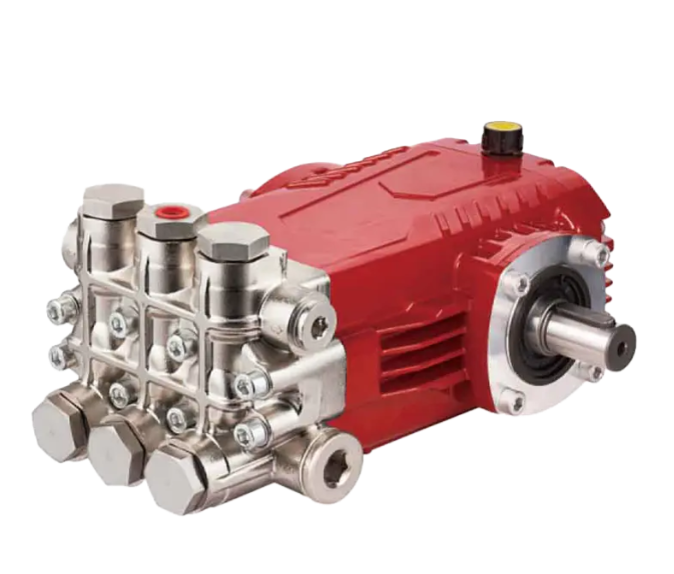
Why are industrial needs changing so quickly?
Industrial demand no longer follows a simple path. Projects vary in scale and purpose. Some focus on long-term use. Others are short and flexible. This creates pressure on equipment suppliers to offer solutions that can move between these conditions.
There is also a shift in how materials are handled. Processes that once relied on steady input now deal with mixed or recycled materials. This affects how pumps are used. Flow conditions may change during operation. Pressure levels may need adjustment. Equipment that cannot adapt easily becomes harder to use.
Work environments are also changing. Some sites are compact. Others are remote. In both cases, equipment must fit into the space without creating extra burden. This influences design decisions from the early stages.
How are suppliers adjusting their product approach?
Suppliers don't rely on fixed product ranges anymore. Rather than selling a single unchangeable model, they make adjustable variants. Most tweaks don't need full machine redesigns, and they lean heavily on modular parts.
Take processing machinery for instance. Manufacturers fit machines with swappable, reconfigurable components. A single unit can handle multiple production jobs. Customers can adjust setups to fit their site workflows, instead of purchasing brand-new equipment.
Brands also focus more on easy operation. On-site workers rarely have spare time for complicated operating steps. Suppliers simplify control panels and cut unnecessary procedures. All core functions stay intact, while every practical feature becomes much simpler to use.
Suppliers also optimize packaging and shipping solutions. Machines are built to cut transport hassle and speed up on-site assembly. This shift caters to buyers who need to move and set up equipment across different construction sites flexibly.
What role does customization play today?
Customization has become part of normal practice rather than a special request. Buyers often expect some level of adjustment. This can involve size, layout, or connection points. The aim is to align the pump with existing systems.
Suppliers manage this by building flexible production processes. Instead of treating each order as a separate case, they create structures that allow variation within a shared framework. This keeps production stable while still offering choice.
Communication is central to this process. Clear exchange between buyer and supplier helps reduce misunderstandings. It also shortens the time between order and delivery.
Customization does not always mean complexity. In many cases, small changes make a large difference in how the equipment performs in a real setting.
How are suppliers responding to efficiency concerns?
Efficiency is now viewed from several angles. It is not only about output. It also involves how smoothly the system runs over time. Interruptions, delays, and adjustments all affect efficiency.
Suppliers are looking at how pumps behave during continuous use. Stability becomes a key focus. A steady flow reduces the need for repeated correction. This supports a more predictable process.
Energy use is also part of the conversation. While pumps require power, the way that power is used can vary. Designs that reduce unnecessary strain help control overall consumption.
Maintenance is closely linked to efficiency. Equipment that is easier to inspect and maintain tends to perform more consistently. This reduces downtime and keeps operations moving.
In what ways are working conditions influencing design?
Working conditions differ widely across industries. Some environments are clean and controlled. Others involve dust, moisture, or uneven surfaces. Pumps must handle these differences without frequent disruption.
Suppliers are adjusting materials and structures to match these conditions. Protective features are added where needed. At the same time, the design remains simple enough for regular use.
Mobility is another factor. Some projects require equipment to be moved between locations. This creates demand for compact designs that are easier to transport.
Noise and vibration are also considered. While they cannot be removed entirely, efforts are made to manage them. This reflects a broader awareness of workplace comfort.
How do supply chains affect supplier strategies?
Supply chains have become more complex. Delays or changes in one part can affect the entire process. Suppliers respond by building more flexible sourcing systems.
Instead of relying on a single path, they often develop multiple options for key components. This helps reduce risk. It also allows production to continue even when conditions shift.
Inventory management is another area of focus. Keeping the right balance between stock and demand is not simple. Too much stock creates pressure. Too little leads to delays. Suppliers adjust their planning to match current patterns.
Delivery expectations have also changed. Buyers often look for shorter timelines. This pushes suppliers to improve coordination between production and logistics.
What are buyers expecting from suppliers now?
Buyers are more involved in the selection process. They look beyond basic function. They consider how the pump will fit into their daily work.
Reliability remains important. Equipment must perform in a steady way. At the same time, flexibility is valued. A pump that can handle different tasks without major changes is often preferred.
Support after delivery also matters. Buyers expect guidance during installation and use. This includes access to spare parts and clear maintenance advice.
Transparency is another point. Buyers want to understand what they are receiving. Clear descriptions and open communication help build trust.
How are suppliers improving service and communication?
Service is no longer limited to the point of sale. It extends through the life of the equipment. Suppliers are adjusting their approach to stay connected with users.
Digital communication plays a role. It allows quicker exchange of information. Questions can be addressed without delay. This supports smoother operation.
Training is also part of service. Operators benefit from clear guidance. This reduces the chance of misuse and helps maintain performance.
Feedback loops are becoming more common. Suppliers gather input from users and apply it to future designs. This creates a cycle of gradual improvement.
Changing Expectations in High Pressure Pump Supply
| Area | Traditional Approach | Current Direction |
|---|---|---|
| Product Design | Fixed models | Flexible and adaptable structures |
| Customization | Limited | Common and expected |
| Efficiency Focus | Output only | Stability and long-term performance |
| Maintenance | Reactive | Planned and accessible |
| Communication | Occasional | Continuous and responsive |
How are maintenance needs shaping product development?
Maintenance used to be seen as a separate task. Now it is part of design thinking. Suppliers consider how easily a pump can be checked and serviced.
Access points are placed in practical locations. Parts that wear over time are easier to reach. This reduces the effort needed for routine care.
Clear guidance is also important. Users benefit from simple instructions. This helps avoid mistakes and supports consistent use.
Some suppliers provide structured maintenance plans. These plans help users keep track of regular checks. Over time, this supports stable performance.
What challenges are still present for suppliers?
Despite ongoing adjustments, challenges remain. One issue is balancing flexibility with consistency. Too much variation can slow production. Too little makes it harder to meet diverse needs.
Another challenge involves cost control. Customization and improved design can increase production effort. Suppliers must manage this without placing too much pressure on buyers.
Training is also a concern. As equipment evolves, users need updated knowledge. Without proper guidance, new features may not be used effectively.
There is also the issue of alignment. Not all buyers have the same expectations. Suppliers must navigate these differences while maintaining a clear production strategy.
How is collaboration shaping future development?
Collaboration between suppliers and users is becoming more common. Instead of a simple transaction, the relationship often continues over time.
Suppliers learn from how equipment is used in real settings. This information helps refine design choices. It also highlights areas where improvement is needed.
Users benefit from this exchange. Their feedback influences future products. This creates a sense of shared development.
Collaboration also appears in project planning. Suppliers may work with buyers during early stages. This helps ensure that the equipment fits the intended use.
Areas of Collaboration Between Suppliers and Users
| Stage | Type of Interaction |
|---|---|
| Pre-purchase | Requirement discussion |
| Production | Adjustment and confirmation |
| Delivery | Installation guidance |
| Operation | Feedback and support |
| Long-term use | Maintenance planning |
How are suppliers balancing innovation and simplicity?
Innovation does not always mean adding more features. In many cases, it involves refining what already exists. Suppliers aim to improve function without making operation difficult.
Simple systems are easier to manage. They reduce the chance of error. At the same time, they must still meet changing demands.
This balance shapes design decisions. Features are added where they provide clear value. Unnecessary complexity is avoided.
The result is equipment that feels familiar but performs in a more adaptable way.
What patterns can be seen in future demand?
Demand is likely to remain varied. Projects will continue to differ in size and purpose. This means suppliers must stay flexible.
There is ongoing interest in equipment that can handle multiple tasks. This reduces the need for separate systems. It also supports efficient use of space.
Sustainability will remain part of the discussion. Resource use and waste reduction are likely to influence design choices.
Service and support are expected to grow in importance. Buyers will continue to look for suppliers who can provide guidance over time.
The adjustments made by High Pressure Pump Factory reflect a broader shift in industrial thinking. Equipment is no longer seen as a fixed tool. It is part of a changing system. Suppliers who understand this shift are reshaping how they design, produce, and support their products.
Previous Post
What Affects the Daily Performance of China High Pressure Pump
Next Post
Are Custom Solutions Important in High Pressure Pump Manufacturer
Related Products



CONTACT US
- Address: No. 2880, East Section of Development Avenue, Sanjia Street, Taizhou Bay New District, Taizhou City, Zhejiang, China.
- Tel: +86-13665766622
+86-18806588150 - E-mail: [email protected]
Copyright © Taizhou Feike Mechanical Technology Co., Ltd.

Wholesale Triplex Plunger Pump Factory