

 English
 Español
 русский
What Affects the Daily Performance of China High Pressure Pump
2026-07-17
In many industrial settings, China High Pressure Pump work quietly in the background. They move liquids, support cleaning systems, and keep production lines running. Their role may seem simple. Yet their daily performance can shift under small changes. A slight difference in setup, usage, or surroundings can shape how they behave over time.
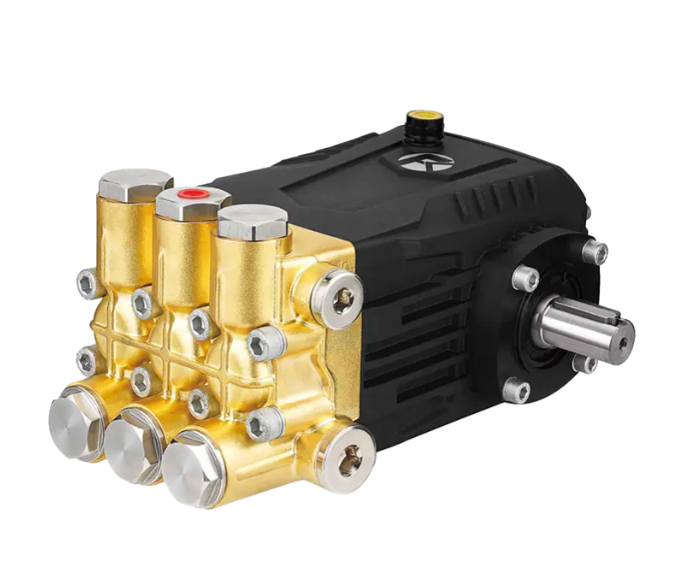
Buyers and operators often focus on selection at the beginning. What happens after installation receives less attention. In real use, daily conditions matter just as much as initial choice. The way a pump is handled, the environment around it, and the habits of the people using it all come together. These factors create a pattern. Over time, that pattern defines stability, efficiency, and service life.
We are looks at those everyday influences. It avoids complex theory and focuses on real working conditions. Each section reflects what people often notice during use, not just during purchase.
How Does the Working Environment Shape Performance?
A pump does not operate in isolation. It sits in a space that changes throughout the day. Temperature shifts, moisture in the air, and dust in the surroundings all play a part.
In some facilities, pumps run in open areas. Airflow is steady. Heat can move away from the equipment. In other places, pumps sit in enclosed corners. Heat builds up slowly. Over time, this can affect how smoothly the system runs.
Moisture is another quiet factor. It may not be visible at first. Yet it can influence connections, surfaces, and moving parts. In humid conditions, small changes can accumulate. In dry environments, different challenges appear, such as material wear.
Operators often notice that pumps behave differently in summer and winter. This is not always due to the pump itself. The surrounding air, floor condition, and nearby equipment all contribute.
What Role Does Installation Play in Daily Stability?
Putting a pump in place is just one small part of installation work—how you set it up directly shapes its long-term running performance. A solid mount stops the unit from vibrating and shifting around. Even tiny movement while the pump runs throws its alignment off.
Where you position the pump counts too. If it's crammed too near walls or other machinery, air can't circulate properly, and technicians will struggle to reach it for repairs. Over time, this causes uneven wear and unreliable operation.
All pipes and hoses need to run without being strained. Bending or forcing them into tight spots creates constant tension inside the system, which drags down everyday performance nonstop.
A properly fitted pump works smoothly and quietly without drawing attention. Most recurring faults stem from sloppy installation that skips key small steps.
How Does Daily Usage Behavior Influence Results?
The way people use equipment has a direct effect on how it performs. Pumps are often shared across shifts. Each operator may have a slightly different approach.
Some may start the pump gradually. Others may run it at full load without pause. These differences may seem small. Over time, they create visible patterns in performance.
Stopping and restarting also matter. Frequent interruptions can affect internal balance. Long continuous runs bring a different type of stress. Neither approach is wrong on its own. The key lies in consistency.
Training plays a role here. When operators understand how their actions influence the pump, usage becomes more stable. Clear routines reduce variation. Less variation often leads to smoother daily operation.
Why Does Fluid Condition Affect Pump Behavior?
All high-pressure pumps move liquids, and the liquid itself dictates how the pump runs. Clean liquid flows far smoother than liquid filled with debris. Viscosity and temperature also alter the pump's working state.
Some work sites handle fluid with steady properties, while others see different liquid batches each time. These differences aren't always easy to spot, but the pump will react subtly to every shift.
Operators can pick up changes in noise, output flow or pressure once fluid conditions shift. These aren't breakdowns—just signs that the pump is adjusting to the liquid it's pushing.
Keeping fluid conditions consistent lets the pump run reliably. If variations can't be avoided, operators need to stay observant. Minor tweaks to running settings will keep the whole system balanced.
How Do Maintenance Habits Influence Daily Operation?
Maintenance is often seen as a scheduled task. In reality, it is part of daily life for any equipment. Small checks and simple actions can prevent larger issues.
Some teams follow a routine. They observe the pump before and after use. They listen for changes and look for signs of wear. Others rely only on fixed schedules. This can work, but it may miss early signals.
Cleaning is one of the simplest forms of care. Dust and residue can build up over time. Removing them helps the pump stay in a stable condition. It also makes it easier to spot changes.
The table below outlines common maintenance habits and how they relate to daily performance:
| Maintenance Habit | Daily Impact on Performance |
|---|---|
| Visual inspection | Helps detect early changes |
| Surface cleaning | Reduces buildup and heat retention |
| Connection checks | Maintains steady flow conditions |
| Routine observation | Supports consistent operation patterns |
Consistency matters more than complexity. Simple actions done regularly often have a stronger effect than occasional deep checks.
What Impact Does System Matching Have?
A pump is part of a larger system. It works alongside pipes, valves, and other components. When these parts match well, the system feels balanced. When they do not, strain appears.
Mismatch can show up in different ways. Flow may feel uneven. Pressure may fluctuate. These signs are not always linked to the pump alone. They often reflect how the system is arranged.
Operators sometimes adjust the pump to solve these issues. This can help in the short term. Yet the root cause often lies in system alignment.
A well-matched system allows the pump to operate naturally. It does not need constant correction. Over time, this leads to smoother daily performance.
How Do Operating Conditions Change Throughout the Day?
Work demands never stay the same all day long. Workloads go up and down, and jobs shift constantly. A pump might run lightly in the morning, then bear much heavier loads later on.
These shifts create repeated working cycles, each altering how the pump operates. It reacts to both slow, gradual changes and sudden spikes in load alike.
Operators usually learn these daily patterns over time and tweak their workflow based on past experience. This hands-on know-how keeps the equipment running stable.
Knowing these regular daily fluctuations cuts down unexpected malfunctions. Any anticipated shifts can be handled with far less trouble.
Why Does Handling and Storage Matter Between Uses?
Not every pump runs nonstop. Many only get pulled out for specific jobs and get put into storage afterward. How you look after them while idle directly impacts their next startup.
Storing a pump somewhere damp lets moisture build up on its parts. Dusty storage spots let fine debris creep into exposed openings. These little issues stop the pump from working properly when you need it again.
Careless moving also causes trouble. Knocking or jostling the unit can create tiny misalignments or hidden damage. Problems won't pop up right away, but they add up with repeated rough handling.
A few easy storage habits extend the pump's service life:
- Store the unit somewhere clean and dry
- Don't stack heavy objects on or beside it
- Cover open exposed components when not in use
These steps barely take any extra work, yet make a big difference after multiple rounds of use.
How Do Human Factors Shape Long-Term Stability?
Behind every machine is a group of people. Their habits, communication, and attention all influence outcomes. A China Plunger Pump may be well designed, but its daily performance reflects human interaction.
Clear communication between shifts helps maintain consistency. When one operator notices a change and shares it, others can respond early. Without this exchange, small issues may grow unnoticed.
Training also supports stability. When users understand the reasons behind certain practices, they are more likely to follow them. This creates a shared approach to operation.
Workplace culture plays a subtle role. In environments where attention to detail is valued, equipment often performs more steadily. In less structured settings, variation becomes more common.
What Subtle Signs Indicate Changes in Performance?
Daily performance does not always change suddenly. It often shifts gradually. Recognizing early signs helps prevent disruption.
Some of these signs include:
- Slight changes in sound during operation
- Small differences in flow or response
- Increased need for adjustment
- Visible wear on external parts
These signs do not always point to a problem. They reflect change. Paying attention to them allows operators to respond in time.
Observation becomes a skill. Over time, experienced users can sense differences quickly. This awareness supports smoother operation.
How Can Consistency Be Maintained in Daily Use?
Consistency is not about rigid rules. It is about creating a stable pattern. When operation, environment, and maintenance align, performance becomes more predictable.
Small actions contribute to this pattern:
- Following a similar start and stop routine
- Keeping the surrounding area clean
- Checking connections before use
- Sharing observations between team members
These habits build over time. They reduce variation and support steady performance.
What Do Buyers Often Overlook After Installation?
Many buyers focus on selection and delivery. Once the pump is in place, attention shifts elsewhere. Yet daily use begins at that moment.
Post-installation practices shape long-term results. Without clear routines, performance may vary. This does not reflect the product alone. It reflects how it is used.
Buyers who plan for daily operation tend to see more stable outcomes. They consider training, environment, and maintenance as part of the purchase process.
How Does Experience Change the Way Pumps Are Used?
Experience brings a different perspective. New users may follow instructions closely. Over time, they develop their own methods based on observation.
This evolution can improve efficiency. It can also introduce variation. The balance lies in combining experience with consistent practices.
Teams that share knowledge tend to adapt more smoothly. They learn from each other and refine their approach. This collective experience supports better daily performance.
What Patterns Appear in Long-Term Use?
Over extended periods, patterns become visible. Some pumps maintain steady behavior. Others show gradual change. These patterns reflect the combined effect of all daily factors.
Regular observation helps identify these trends. When patterns are understood, adjustments can be made early. This keeps performance within a stable range.
Long-term stability does not come from one factor. It comes from the interaction of many small elements. Each day adds a layer to the overall picture.
Previous Post
Why Stainless Steel Pump Manufacturer Focus on Material Performance
Next Post
How High Pressure Pump Supplier Are Adapting to Changing Industrial Needs
Related Products


CONTACT US
- Address: No. 2880, East Section of Development Avenue, Sanjia Street, Taizhou Bay New District, Taizhou City, Zhejiang, China.
- Tel: +86-13665766622
+86-18806588150 - E-mail: [email protected]
Copyright © Taizhou Feike Mechanical Technology Co., Ltd.

Wholesale Triplex Plunger Pump Factory