

 English
 Español
 русский
What are Common Problems with Feike High Pressure Pump
2026-05-08
Feike High Pressure Pump are widely used in water systems, cleaning setups, and industrial applications where strong and steady flow is required. They help move water with force and consistency. When they work well, the system feels smooth and stable. When issues appear, the effect can spread quickly across performance and reliability.
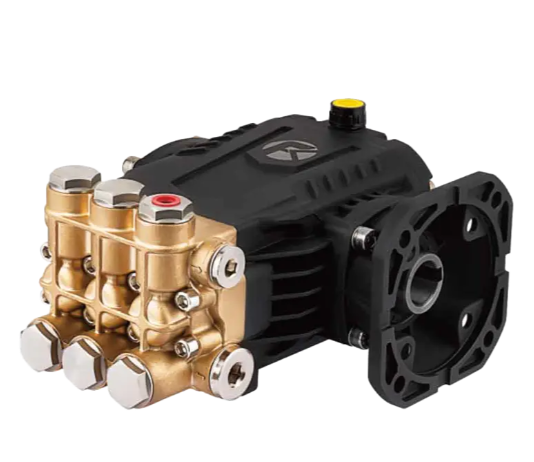
Problems in these pumps rarely come from a single source. They usually develop through a mix of usage habits, installation conditions, and long-term wear. Understanding these common issues helps explain why performance changes over time.
Why Does A High Pressure Pump Lose Pressure?
Loss of pressure is one of the most noticeable issues. Water flow may feel weaker than expected or become inconsistent during operation.
This can happen when internal passages become partially blocked. Small particles in water may build up over time. Even a slight restriction can affect overall flow.
Air trapped inside the system can also reduce pressure stability. When air enters the flow path, it interrupts smooth movement of water.
Another factor is general wear inside moving components. As surfaces change over time, efficiency may slowly decrease.
Pressure loss is often gradual. It may not be obvious at first, but becomes more noticeable during continuous use.
What Causes Irregular Water Flow In Pumps?
Uneven flow is another common issue. Water may come out in bursts or fluctuate during operation.
One cause is inconsistent water supply at the intake stage. If the source is not stable, the pump cannot maintain steady output.
Another cause is internal vibration. When parts are slightly misaligned or loose, movement inside the system becomes uneven.
Changes in load demand can also affect flow. When usage shifts suddenly, the system may take time to adjust.
Irregular flow is usually a sign that balance inside the system is not stable.
Common High Pressure Pump Problems Overview
| Common Problem | Possible Cause | Typical Effect on System |
|---|---|---|
| Pressure loss | Blockage, air entry, internal wear | Weak or unstable water flow |
| Irregular water flow | Unstable supply, vibration, imbalance | Intermittent or uneven output |
| Unusual operating noise | Air inside system, loose parts | Increased sound during operation |
| Overheating | Restricted flow, dry running, heat load | Reduced stability and shutdown risk |
| Frequent start and stop | Leaks, pressure fluctuation | Repeated cycling of pump operation |
| Efficiency decline | Wear, deposits, system imbalance | Higher energy use, lower output |
| Partial blockage issues | Sediment buildup, narrow passages | Reduced flow capacity |
Why Does A Pump Make Unusual Noise During Operation?
Noise changes are often an early sign of underlying issues. A smooth pump usually operates with a consistent sound pattern. When this changes, attention is often needed.
Air inside the system can create a rattling or uneven sound. This happens when water and air mix inside the flow path.
Loose fittings may also cause vibration noise. Small movement between connected parts can amplify sound during operation.
Surface wear inside moving components can also contribute to noise changes. As contact surfaces evolve, friction patterns may shift.
Noise does not always indicate immediate failure, but it often signals a change in internal behavior.
What Leads To Pump Overheating?
Overheating occurs when the system works under strain for extended periods. Heat builds up when energy is not efficiently managed.
Restricted flow is one possible cause. When water movement is limited, internal resistance increases. This creates extra load on the system.
Dry operation is another factor. When water supply is insufficient, the pump may continue running without proper cooling support.
Environmental conditions also play a role. High surrounding temperature can reduce the system's ability to release heat.
Overheating usually develops gradually. It is often linked to operating conditions rather than a single fault.
Why Does A High Pressure Pump Start And Stop Frequently?
Frequent cycling refers to the pump turning on and off more often than expected. This behavior can affect overall stability.
One reason is inconsistent pressure in the system. When pressure drops quickly, the pump responds by restarting.
Leaks in the system can also trigger repeated activation. Even small leaks reduce pressure over time.
Another cause is mismatched system demand. If usage is uneven, the pump may struggle to maintain steady operation.
This pattern increases mechanical stress over time and may reduce overall efficiency.
How Do Blockages Affect Pump Performance?
Blockages can appear in different parts of the system. They may form gradually and go unnoticed until performance changes.
Small particles in water are often the source. These particles can collect in narrow passages and reduce flow space.
Accumulated deposits can also restrict movement. Over time, layers may build up and slow down water passage.
In some cases, blockage is not complete but partial. Even partial restriction can change pressure behavior significantly.
The effect is usually reduced flow, uneven output, or increased load on the system.
What Role Does Installation Play In Pump Problems?
Installation conditions influence long-term performance more than often expected. A pump that is not properly aligned or supported may experience stress during operation.
Incorrect positioning can lead to uneven load distribution. This may affect internal balance.
Poor connection between components can also create small gaps. These gaps may allow air entry or vibration.
In some setups, pipe layout can influence flow stability. Sharp bends or long pathways may add resistance.
Installation quality often determines how smoothly the system operates over time.
How Does Wear And Tear Develop In Pump Systems?
All mechanical systems experience gradual wear. In high pressure pumps, this process is linked to continuous movement and contact between internal parts.
Surface changes occur slowly. As parts interact over time, their texture may shift.
This can affect sealing quality and movement smoothness. Even small changes can influence performance.
Wear does not always lead to sudden failure. It often appears as gradual reduction in efficiency.
Regular observation of performance changes can help identify early signs of wear.
Why Do Pumps Sometimes Lose Efficiency Over Time?
Efficiency loss is usually connected to a combination of factors rather than a single issue.
Small blockages, surface wear, and minor leaks can all contribute. Each factor may seem minor alone, but together they affect output.
System balance also plays a role. If internal conditions are not stable, energy use increases without corresponding output improvement.
Environmental exposure can also influence long-term behavior. Temperature changes and moisture conditions may affect system stability.
Efficiency loss is often gradual and linked to overall system condition rather than one visible fault.
What Are Common Patterns In Pump Issues?
Most pump problems follow certain patterns. They often begin with small changes that are easy to overlook.
A slight change in sound may appear first. Later, flow inconsistency or pressure variation may develop.
Over time, multiple small issues can combine. This creates more noticeable performance changes.
These patterns highlight the importance of monitoring system behavior rather than waiting for complete failure.
High pressure pump problems are often connected through a chain of conditions. Pressure changes, flow behavior, noise variation, and efficiency shifts all reflect how the system responds to internal and external factors over time.
Previous Post
What Are The Advantages Of Three Plunger High Pressure Pump
Next Post
Prevent Cavitation in Three-Plunger High-Pressure Pumps
Related Products


CONTACT US
- Address: No. 2880, East Section of Development Avenue, Sanjia Street, Taizhou Bay New District, Taizhou City, Zhejiang, China.
- Tel: +86-13665766622
+86-18806588150 - E-mail: [email protected]
Copyright © Taizhou Feike Mechanical Technology Co., Ltd.

Wholesale Triplex Plunger Pump Factory