

 English
 Español
 русский
Home / News / Industry News / What Causes Pressure Spikes in Systems Using General Pump Unloader Valve
What Causes Pressure Spikes in Systems Using General Pump Unloader Valve
2026-11-20
A pressure washer behaves differently the moment an operator releases the spray gun. Water stops leaving the nozzle, pressure rises inside the system, and the unloader valve must redirect the pump's output into the bypass circuit. This transition happens repeatedly during normal operation.
A brief pressure change is part of the process. A sharp or repeated spike is another matter. It may indicate that the valve is responding too slowly, the bypass passage cannot handle the flow, or another component is affecting pump output. Replacing the valve without checking these possibilities can leave the original problem untouched.
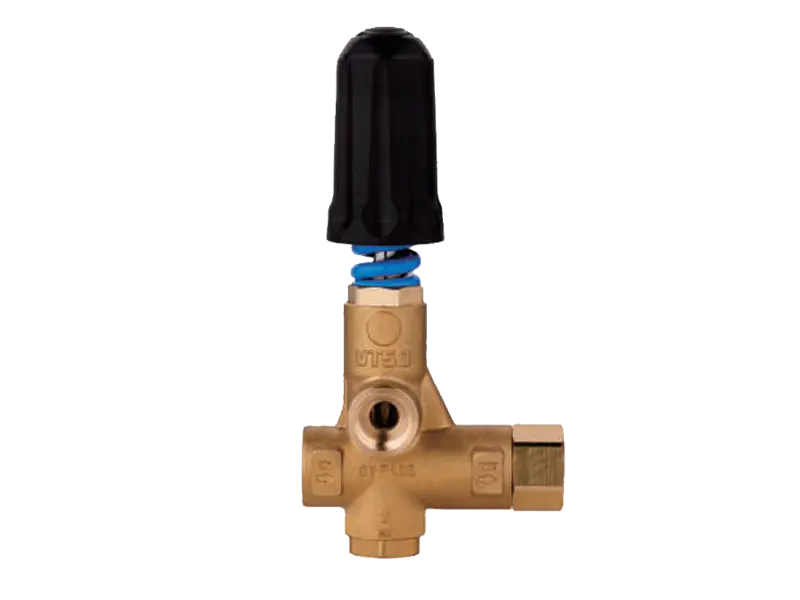
What the Unloader Valve Does When Flow Stops
While the spray gun is open, water travels from the pump through the high-pressure hose and exits through the nozzle. Once the gun closes, the outlet flow is interrupted. The General Pump Unloader Valve responds to the pressure change and diverts water into a bypass path.
Inside the valve, pressure-responsive parts control this movement. Depending on the model, the assembly may contain a piston, spring, seals and valve seat. Their condition and adjustment determine how consistently the valve changes between operating and bypass modes.
The bypass must also be able to accommodate the pump's output. Even a properly adjusted valve can have trouble regulating pressure if the return passage is restricted or the system has been assembled incorrectly.
Five Problems That Can Cause Pressure Spikes
1. Excessive Pressure Adjustment
An unloader valve set above the required operating pressure can expose the pump, hoses and fittings to unnecessary loads.
This sometimes happens after an operator tries to improve cleaning performance by tightening the adjustment. However, higher pressure does not necessarily mean better cleaning. Nozzle selection and water flow also affect cleaning results, and increasing pressure beyond the equipment rating can damage downstream components.
Use a suitable pressure gauge and follow the adjustment procedure for the specific valve. Do not rely on the adjustment screw position as an indication of actual pressure.
2. A Restricted Bypass Passage
Consider what happens when the spray gun closes: the pump still needs somewhere to send the water. If the bypass path is partially blocked, the valve cannot redirect flow as intended.
Common trouble spots include:
- Kinked or internally collapsed bypass hoses.
- Debris lodged in fittings or valve passages.
- Incorrectly sized return plumbing.
- Blocked filters or restricted connections.
- Poor installation of the bypass line.
A restriction may cause unstable pressure and additional pump loading. It can also contribute to overheating when water continues circulating through a bypass system for extended periods.
Check the entire return path rather than concentrating only on the valve body.
3. Contamination or Wear Inside the Valve
Unloader valves operate through moving mechanical components. Dirt and mineral deposits can interfere with their movement, while worn seals or damaged valve seats may prevent proper pressure regulation.
A sticking piston, for example, may fail to respond promptly when the spray gun closes. Pressure can rise before the valve moves into its bypass position. In other cases, the valve may operate inconsistently, producing repeated fluctuations during use.
Water quality and maintenance history provide useful clues. Systems exposed to hard water or contaminated supplies may develop deposits more quickly. Inspect the internal assembly according to the manufacturer's instructions, and replace damaged parts with approved replacements.
4. An Incorrect or Worn Nozzle
The nozzle opening determines how much water can leave the system at a given operating pressure. If the nozzle is undersized, it restricts discharge flow and can drive pressure above the intended range.
A worn nozzle creates the opposite effect. Its opening gradually becomes larger, allowing more water through and often reducing operating pressure.
Neither condition should be corrected by randomly adjusting the unloader valve. Check the nozzle size against the pump's rated flow and pressure requirements. The pump, nozzle and valve need to operate within compatible specifications.
5. Changes in Pump Speed or Inlet Water Supply
Not every pressure fluctuation starts at the unloader valve.
A change in engine speed, motor frequency or drive-system operation affects pump output. Even a relatively small speed variation can change the pressure and flow delivered to the system.
The water supply can cause trouble too. A restricted inlet hose, dirty filter or insufficient supply may interrupt consistent pump operation. Air entering the inlet line can also produce irregular output and pulsation.
When pressure readings move unpredictably during spraying, inspect the drive and water supply before assuming the unloader valve has failed.
Symptoms Worth Comparing During Inspection
| Possible cause | Common symptom | Inspection priority |
|---|---|---|
| Incorrect valve adjustment | Operating pressure remains too high | Check pressure setting |
| Restricted bypass line | Pressure instability when the gun closes | Inspect return plumbing |
| Sticking internal components | Intermittent pressure fluctuations | Inspect valve internals |
| Undersized nozzle | Excessive operating pressure | Verify nozzle specification |
| Unstable pump speed | Pressure changes during operation | Check motor or engine |
| Inadequate water supply | Irregular output or pulsation | Inspect inlet flow and filters |
These symptoms are not definitive diagnoses. Several faults can produce similar pressure readings, so measurements should be taken under controlled operating conditions and compared with the equipment specifications.
Maintenance That Prevents Recurring Pressure Problems
A valve may be in good condition when installed but gradually become unreliable as contamination builds up. Keeping the inlet filters clean and checking the bypass hose regularly can help prevent avoidable flow restrictions.
Pay particular attention to leaks, damaged connections and deteriorated hoses. Inspect the valve for corrosion or sticking components, and check pressure readings during normal operation. Maintenance intervals should reflect actual operating hours, water quality and the manufacturer's recommendations.
There is also an important safety issue during inspection. High-pressure water can penetrate the skin and cause serious injection injuries. Never use your hand to search for a leak. Shut down and isolate the equipment, then release trapped pressure following the manufacturer's procedure before disconnecting hoses or fittings.
Choosing a Suitable General Pump Unloader Valve
A replacement valve must match the pump's operating requirements, not merely its hose connection. Check the maximum rated pressure, flow capacity, temperature range, bypass arrangement and compatibility with the specific pump model.
The operating cycle matters as well. Equipment that frequently switches between spraying and bypass operation places repeated demands on the valve. Water quality, operating temperature and maintenance conditions can also affect service life.
For procurement, request the manufacturer's technical documentation and confirm that the pressure and flow ratings apply to the complete valve assembly. Check whether compatible replacement parts are available, especially when the equipment is used daily.
A pressure spike should not automatically be treated as proof of a faulty unloader valve. The adjustment, nozzle, bypass plumbing, pump speed and inlet supply all influence the pressure the system develops. Checking these points in the right order is more useful than repeatedly changing the valve setting and hoping the fluctuation disappears.
Previous Post
No previous article
Next Post
How Can Smart Control Technology Improve Modern High-Pressure Washer Equipment?
Related Products


CONTACT US
- Address: No. 2880, East Section of Development Avenue, Sanjia Street, Taizhou Bay New District, Taizhou City, Zhejiang, China.
- Tel: +86-13665766622
+86-18806588150 - E-mail: [email protected]
Copyright © Taizhou Feike Mechanical Technology Co., Ltd.

Wholesale Triplex Plunger Pump Factory