

 English
 Español
 русский
Home / News / Industry News / Which Materials Are Best for Regulating Valves in Corrosive, High-Temperature, or High-Pressure Applications?
Which Materials Are Best for Regulating Valves in Corrosive, High-Temperature, or High-Pressure Applications?
2026-10-30
Regulating valves control flow, pressure, and temperature in chemical processing, oil and gas, power generation, and water treatment. When they run in corrosive, hot, or high-pressure service, material choice affects how long the valve lasts, process stability, maintenance costs, and safety. No single material fits every job. The right pick depends on the medium, temperature, pressure, flow velocity, and whether corrosion, erosion, or cavitation is likely. Check these before choosing. It helps balance durability, performance, and cost.
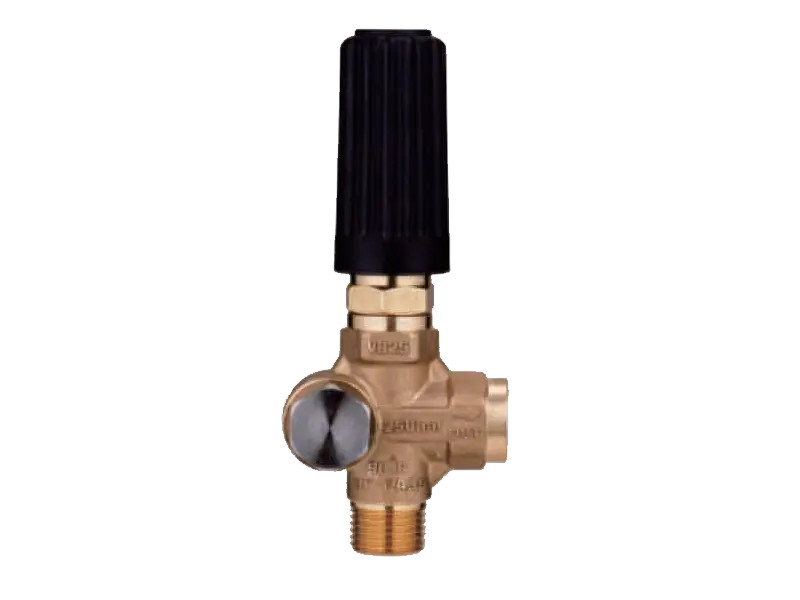
Identify the Operating Conditions Before Choosing Materials
Start with actual process conditions—normal values plus extremes during startup, shutdown, cleaning, and upset events. Fluid chemistry matters a lot. Acids, chlorides, caustic solutions, and sour gas attack materials differently. Heat can speed corrosion or weaken certain alloys. High differential pressure increases erosion and cavitation inside the valve. Also consider phase, concentration, impurities, and flow velocity. A material that handles a dilute chemical at room temperature may struggle when that same chemical is concentrated or hot.
Compare Common Materials for Regulating Valves
Different alloys and engineered materials solve different problems. The table below is a starting point. Final suitability still depends on actual process conditions and applicable standards.
| Material | Typical Advantages | Important Limitations |
|---|---|---|
| Carbon steel | Economical, strong, widely used for many industrial pressure applications | Limited corrosion resistance in aggressive media |
| Stainless steel 316/316L | Good general corrosion resistance in many industrial fluids | Susceptible to localized corrosion and chloride stress corrosion cracking under certain conditions |
| Duplex stainless steel | High strength and improved resistance to chloride-related pitting in suitable environments | Temperature limits and fabrication requirements must be considered |
| Chromium-molybdenum alloy steel | Suitable for many elevated-temperature steam and hydrocarbon services | Corrosion compatibility still depends on the process medium |
| Nickel-based alloys | Excellent resistance to selected aggressive chemicals and high-temperature environments | Higher material and fabrication costs |
| Titanium | Strong corrosion resistance in many seawater and chloride-containing environments | Not suitable for every acid or reducing environment; galling and temperature constraints may apply |
These materials aren't interchangeable. Stainless steel may cover a wide range of general fluids. A specific nickel alloy might be needed for a nasty chemical. Carbon steel can work for noncorrosive service if its pressure-temperature rating meets design needs.
Select Corrosion-Resistant Alloys for Aggressive Media
Corrosive environments need careful compatibility checks. Stainless steel 316L is common because it resists many chemicals and industrial water conditions. But chloride-rich fluids can cause pitting, crevice corrosion, or stress corrosion cracking. It depends on temperature, concentration, stress, and other factors. Duplex stainless steel is stronger than many common austenitic grades and can resist chloride-related localized corrosion better. Suitability still depends on grade, temperature, fabrication quality, and process chemistry. For more aggressive chemical service, nickel-based alloys may handle particular acids, alkalis, or mixed streams. Titanium can work in some seawater applications. Neither is corrosion-proof everywhere. Compatibility data and service-specific experience matter. For oil and gas with hydrogen sulfide, check sour-service requirements, including NACE MR0175/ISO 15156 where applicable.
Choose High-Temperature Materials That Retain Strength
Heat affects corrosion and mechanical performance. A valve material must keep adequate strength and resist long-term deformation under sustained stress. Chromium-molybdenum alloy steels are often considered for high-temperature steam and power generation because of elevated-temperature strength and creep resistance. Stainless steels and nickel-based alloys may suit other combinations of temperature, corrosion, and oxidation. Don't look at the temperature alone. Thermal cycling, pressure fluctuations, differential expansion, and temperature limits of internal components all affect reliability. Packing, gaskets, seats, and actuator parts need suitable temperature ratings too. Graphite packing is often used for high-temperature service. Polymer seats and seals have specific limits that vary by material and design.
Address High-Pressure Flow With Suitable Body and Trim Materials
In high-pressure applications, the body and bonnet must withstand design pressure at the specified temperature. Required grade, wall thickness, and pressure class should come from the relevant design code and pressure-temperature ratings. Internal components—trim—face different challenges. High flow velocity, pressure drops, suspended particles, and cavitation cause erosion, surface damage, and unstable control. Hardened stainless steel, cobalt-based hardfacing, and tungsten carbide may be considered for trim where wear resistance matters. The right option depends on fluid, particles, temperature, and failure mechanism. Harder isn't automatically better. Brittleness, thermal shock, and chemical compatibility also matter. A high-pressure valve needs coordinated selection of pressure-containing parts and internals. A strong body alone won't prevent premature trim failure.
Evaluate Seats, Seals, and Stems as Part of the Complete Assembly
Valve performance depends on every wetted and moving component. Seats and seals must provide required shutoff while staying compatible with fluid and temperature. PTFE offers broad chemical resistance in many applications, but check its temperature, pressure, and mechanical limits for the specific design. Higher-performance polymers may suit some demanding jobs. Metal seats may be preferable where temperatures, pressures, or abrasives exceed soft-seat capabilities. Stems, guides, packing, and fasteners also need appropriate materials. Thermal expansion differences, galling risk, and galvanic interactions between dissimilar metals should be reviewed where relevant.
Use a Structured Selection Process to Improve Reliability
Before ordering Regulating Valves for demanding service, document fluid composition, operating and design pressures, temperature range, flow conditions, corrosion risks, and required leakage performance. Then confirm proposed materials against recognized standards, manufacturer data, and facility service history. Where failure consequences are significant, involve a qualified valve or materials engineer and ask the supplier for application-specific recommendations. Testing, inspection, and review of previous failure modes help identify whether the main concern is corrosion, erosion, thermal damage, or mechanical loading. Choosing the right material is a system-level engineering decision. Matching body, trim, seals, and other components to the process environment improves regulating accuracy, extends maintenance intervals, and reduces the risk of unplanned downtime.
Previous Post
No previous article
Next Post
Can High-Pressure Water Pumps Reduce Cleaning Time in Industrial Facilities?
Related Products


CONTACT US
- Address: No. 2880, East Section of Development Avenue, Sanjia Street, Taizhou Bay New District, Taizhou City, Zhejiang, China.
- Tel: +86-13665766622
+86-18806588150 - E-mail: [email protected]
Copyright © Taizhou Feike Mechanical Technology Co., Ltd.

Wholesale Triplex Plunger Pump Factory