

 English
 Español
 русский
Why Stainless Steel Pump Manufacturer Focus on Material Performance
2026-07-24
The conversation around industrial pumps has been shifting. Buyers are no longer only looking at output or structure. Material choice has become a central topic. Among different options, stainless steel often draws attention. Not because it is new, but because expectations around durability, safety, and long-term use have changed.
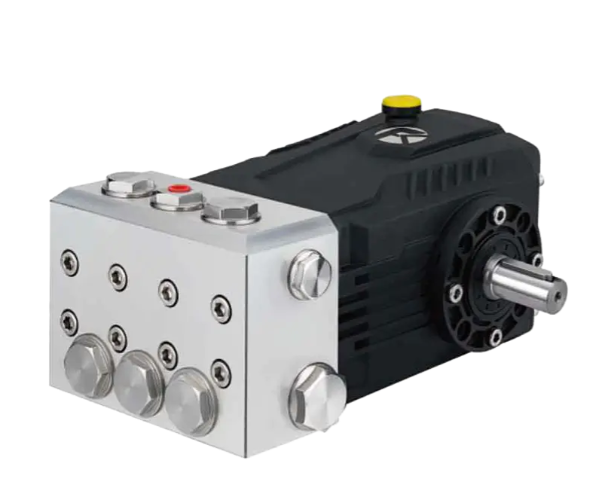
Stainless Steel Pump Manufacturer is responding in subtle ways. They are paying closer attention to how materials behave over time, how they interact with different environments, and how they shape the overall reliability of a pump. This focus is not just about product design. It reflects wider changes in how equipment is evaluated across industries.
Why does material choice matter more today?
People once treated raw material as a secondary detail. Right now, it has become one of the core points buyers weigh before placing orders, driven by several real-world demands.
Clients want gear that lasts much longer. They do not plan to swap out pumps frequently. A pump built to withstand constant pressure, temperature shifts and nonstop running counts as a worthwhile long term investment.
Safety standards have also grown stricter. Materials that block rust and avoid cross contamination cut down operational risks, which matters greatly for work sites requiring high hygiene and stable running conditions.
Uniform performance stands as another key concern. Pumps run under varying working states, so their construction materials must keep steady performance without abrupt malfunctions. Stainless steel is widely favored for its reliable performance across countless usage scenarios.
What makes stainless steel a practical option?
Stainless steel does not gain popularity by accident. Its physical traits fit most modern industry requirements perfectly.
It copes well with humid surroundings. Long term contact with liquids barely wears it down, making it ideal for round-the-clock operation.
The material also resists surface damage. Small scrapes and daily abrasion will not break its core functions, so equipment keeps steady performance with minimal upkeep work.
It maintains solid structural integrity too. The material keeps its original form under heavy pressure and rarely warps. For production teams, this translates to fewer unplanned breakdowns during daily operation.
Below is a simple comparison of common material considerations in pump manufacturing:
| Material Aspect | General Expectation in Pump Use | Stainless Steel Response |
|---|---|---|
| Resistance to moisture | Should not weaken over time | Maintains structure |
| Surface durability | Should handle wear | Resists minor damage |
| Cleanliness | Should not hold residues | Easy to clean |
| Stability | Should keep form under stress | Remains consistent |
This balance of traits explains why manufacturers continue to explore stainless steel in product design.
How does material affect long-term performance?
A pump may work well when new. The real question is how it behaves after extended use.
Material plays a quiet but important role here. It affects how surfaces interact with liquids, how internal parts move, and how the overall structure responds to repeated cycles.
Stainless steel tends to slow down the aging process. It does not easily react with many substances. This reduces the chance of internal changes that could disrupt performance.
Manufacturers often look at long-term behavior in stages:
Initial use
The material should support smooth operation without adjustment.
Mid-term use
Surfaces should remain stable, without visible decline.
Extended use
The structure should still function without major changes.
By focusing on these stages, manufacturers align material choice with real usage patterns rather than short-term results.
Why is consistency across environments important?
Pumps hardly stay in the same working state all the time. They run through varying temperatures, carry different liquid media, or keep operating nonstop over long periods.
Materials that work reliably in one scene but break down in others bring unstable performance risks. Stainless steel solves this issue, as its performance stays steady no matter the surrounding conditions.
Stable material performance lets pump manufacturers craft devices that need little post-installation adjustment. Operators also save the trouble of constant real-time monitoring of working parameters.
This reliable material behavior also eases product design work. Factories no longer need to plan around unpredictable material changes, since stainless steel delivers consistent performance in diverse application environments.
How do manufacturers evaluate material performance?
Material selection is not based on appearance or assumption. It involves observation, testing, and repeated adjustment.
Manufacturers often focus on a few key aspects:
- How the material reacts to continuous contact with liquids
- Whether the surface changes over time
- How the structure responds to pressure or movement
- Whether cleaning affects the material
These checks are not always complex. In many cases, they involve long-term observation rather than short tests.
A simplified view of evaluation focus is shown below:
| Evaluation Area | What is Observed | Why It Matters |
|---|---|---|
| Surface behavior | Changes after repeated use | Affects reliability |
| Structural response | Shape under pressure | Supports steady operation |
| Interaction with fluid | Reaction with different liquids | Prevents unwanted changes |
| Maintenance impact | Response to cleaning or handling | Influences usability |
By focusing on these areas, manufacturers build a clearer picture of how a material supports real-world use.
What role does maintenance play in material decisions?
Maintenance is often overlooked during design. Yet it becomes a daily concern once the pump is in use.
Materials that require frequent care can increase workload. They may also introduce risks if not handled correctly.
Stainless steel is often preferred because it simplifies maintenance. Its surface does not easily trap residue. Cleaning becomes more straightforward.
This does not mean maintenance is unnecessary. It means the process is more manageable. For many users, this difference shapes long-term satisfaction.
Manufacturers take this into account. They consider how often a pump will be cleaned, how it will be handled, and how the material responds over time.
How does material choice influence user trust?
Trust forms gradually after long periods of actual use. Every time a pump runs exactly as promised, operators gain more confidence in the product and its maker.
Raw material quietly shapes this sense of reliability. It determines how often faults pop up, how simple repairs are, and whether the equipment maintains steady output day after day.
China Stainless Steel Pump built with dependable materials remove worries for users. They will not constantly wonder if the unit's performance will drop after months of operation.
Manufacturers are well aware of this link. Picking high-performance stable materials helps deliver consistent, worry-free operation to every customer.
Why are manufacturers revisiting traditional materials?
Stainless steel is not some newly developed material; factories have put it into use for decades. Even so, brands are re-examining it from fresh angles lately.
This trend does not mean companies want to fully swap out other materials. Instead, they aim to figure out how these classic materials can match today's stricter usage standards.
Producers take a closer look at stainless steel's real performance in different working scenarios. They tweak their product layouts to make full use of the material's natural strengths.
Most updates only involve minor tweaks instead of full overhauls of the whole product. Tiny structural edits or modified surface treatments are enough to bring out better material performance.
The finished pumps are not brand-new creations, just polished upgrades that fit modern industrial demands far better.
What trends are shaping material-focused design?
Several trends are influencing how manufacturers think about materials:
Longer usage cycles
Equipment is expected to last longer, which increases the importance of material stability.
Simplified maintenance
Users prefer designs that reduce effort and time spent on care.
Flexible application
Pumps are used in more varied environments, requiring materials that adapt without change.
Focus on reliability
Consistent performance is valued over short-term output.
These trends do not operate separately. They interact and reinforce each other, pushing manufacturers toward materials that support steady, long-term use.
How does material performance connect to overall product design?
Material is not an isolated choice. It influences how every part of the pump is designed.
When manufacturers choose stainless steel, they often adjust other elements to match its characteristics. This creates a balanced system rather than a mix of unrelated parts.
For example, a stable material allows for tighter design tolerances. It also supports smoother internal movement. These changes may not be visible, but they shape how the pump performs.
Design and material work together. One supports the other, creating a product that feels consistent in use.
Why is the focus on material likely to continue?
The attention on material performance reflects a broader shift in how products are evaluated. Instead of looking only at immediate results, users consider long-term behavior.
This approach encourages manufacturers to think beyond surface features. It leads to deeper analysis of how materials behave under real conditions.
Stainless steel fits into this shift because it offers a balance of durability, stability, and ease of use. It does not solve every challenge, but it aligns with many current expectations.
As these expectations continue to evolve, material performance will remain a key area of focus. Manufacturers will keep refining their choices, not through dramatic changes, but through careful observation and gradual improvement.
Previous Post
What Is a High Pressure Washdown Pump and How Does It Work
Next Post
What Affects the Daily Performance of China High Pressure Pump
Related Products

CONTACT US
- Address: No. 2880, East Section of Development Avenue, Sanjia Street, Taizhou Bay New District, Taizhou City, Zhejiang, China.
- Tel: +86-13665766622
+86-18806588150 - E-mail: [email protected]
Copyright © Taizhou Feike Mechanical Technology Co., Ltd.

Wholesale Triplex Plunger Pump Factory