

 English
 Español
 русский
Can a High Pressure Drum Pump Handle Different Types of Fluids
2026-08-14
Fluid transfer sits at the core of countless industrial operations. From chemical processing and manufacturing floors to routine maintenance work, moving liquids safely and efficiently comes up again and again. The equipment chosen for that job genuinely shapes how smoothly the whole process runs.
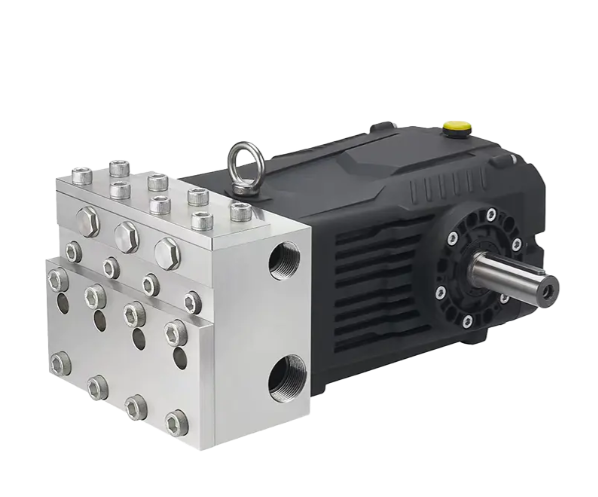
A high pressure drum pump exists to move fluids out of containers like drums or tanks while keeping that transfer under control. As industries handle a wider spread of liquids, questions about pump flexibility keep coming up more and more. Plenty of users just want a straight answer: can one pump solution genuinely work across different fluid types, or does every liquid demand its own dedicated setup?
That answer really hinges on several factors — the fluid itself, the working environment, and how the pump system was actually built. Understanding these pieces helps businesses make far better calls when picking out fluid transfer equipment.
How Does a High Pressure Drum Pump Support Fluid Transfer?
A pump moves liquids out of storage containers and into wherever they need to go next. Instead of operators wrestling with heavy containers by hand, pumping equipment turns that transfer into something a lot more manageable.
The pump works by drawing fluid out of the drum and directing it along a transfer path. That approach smooths out workflow considerably and cuts out a lot of the headaches that come with manual pouring.
Common applications include:
- Moving industrial liquids between containers
- Transferring process materials during production
- Handling cleaning solutions and maintenance fluids
- Supporting controlled liquid distribution generally
Working across different fluids is a big reason these pumps show up so widely in industrial settings. That said, not every fluid behaves the same way once it's in motion, so application conditions still matter quite a bit.
What Types of Fluids Can High Pressure Drum Pumps Handle?
Different industries lean on a genuinely wide range of liquids day to day. A drum pump might suit various fluid categories depending on how it's built and what materials it's made from.
Some common examples:
| Fluid Category | Typical Applications |
|---|---|
| Chemical liquids | Industrial processing and manufacturing operations |
| Oils and lubricating fluids | Equipment maintenance and production support |
| Cleaning solutions | Facility and equipment cleaning tasks |
| Coating materials | Surface treatment and manufacturing processes |
| Water-based liquids | General transfer and handling applications |
Every fluid carries its own personality, really. Some flow thin and easy, others run thick and demand a lot more careful handling. Picking the right pump means genuinely weighing these differences rather than assuming one size fits all.
Can a High Pressure Drum Pump Handle Thick or Viscous Fluids?
Viscosity ranks among the biggest factors shaping how a fluid actually moves. Thin liquids tend to flow easily enough on their own, while thicker materials fight back a lot harder during transfer.
Drum pumps can genuinely handle certain thicker fluids, but how well depends entirely on the specific application at hand. A pump built with one liquid in mind might not perform nearly as well with something else entirely.
When dealing with thicker materials, users typically weigh:
- The actual consistency of the fluid
- How fast the transfer needs to happen
- The distance the fluid needs to travel
- The broader operating conditions at play
Getting a genuine handle on fluid characteristics before buying helps sidestep a lot of headaches once the pump's actually running.
Why Is Material Compatibility Important When Handling Different Fluids?
The materials making up a pump system shape how well it holds up against different liquids over time. Some fluids react with certain materials in ways that quietly wear down equipment.
Material compatibility genuinely matters because it supports:
- Stable operation day to day
- Longer equipment service life overall
- Reduced maintenance headaches down the line
- Safer fluid handling throughout
For industries juggling multiple liquids, picking a genuinely suitable pump structure becomes a real planning priority rather than an afterthought.
A pump that runs beautifully with one fluid might need adjustments, or an entirely different configuration, to handle something else well. Compatibility stays a core consideration any time fluid handling tasks start expanding.
Are High Pressure Drum Pumps Suitable for Chemical Applications?
Chemical transfer is one area where pump selection genuinely demands extra care. Industrial chemicals vary widely in their properties, and every application carries its own set of requirements.
Pressure drum pumps get considered often for chemical handling because they simplify moving liquids out of storage containers considerably. They cut down direct contact between operators and the material itself while keeping the transfer under control throughout.
Chemical applications, though, ask for more than just pumping capability. Users also need to weigh:
- The actual nature of the chemical being moved
- Whether the equipment is genuinely compatible with it
- Workplace safety practices surrounding the whole process
- Proper handling procedures throughout
A suitable pump genuinely supports the process, sure, but correct operation and ongoing maintenance stay essential regardless of how good the equipment is.
How Do Different Fluid Properties Affect Pump Performance?
Fluid properties shape how a pump actually behaves once it's running. A liquid's flow characteristics, thickness, and overall composition all play into that.
A few factors worth flagging:
| Fluid Property | Possible Influence |
|---|---|
| Viscosity | Affects how easily the liquid moves |
| Chemical characteristics | Influences material selection |
| Temperature conditions | May affect fluid behavior |
| Cleanliness level | Can influence maintenance needs |
These factors make clear that picking a pump was never just about pressure ratings on a spec sheet. The relationship between the equipment and the specific fluid matters just as much, if not more.
Could One High Pressure Drum Pump Replace Multiple Pump Systems?
Plenty of businesses go looking for flexible equipment that handles multiple tasks at once. A versatile pump can genuinely cut down the need for separate dedicated systems in a lot of situations.
A single pump solution brings real benefits:
- Easier equipment management overall
- Simplified operating processes across the board
- Reduced storage requirements on the floor
- More flexible production planning generally
That said, using one pump across multiple fluids demands careful evaluation before committing. A pump that handles several applications well still needs to genuinely match what each individual task actually requires.
In some environments, dedicated equipment still wins out simply because certain fluids demand specialized handling that a general-purpose pump can't cover.
What Industries Commonly Use High Pressure Drum Pumps?
Pressure drum pumps show up across a genuinely wide range of industrial settings wherever liquid transfer comes into play.
Chemical Processing. Manufacturers often need controlled ways of moving different liquid materials through production.
Manufacturing. Production facilities lean on pumps to support material movement and general equipment maintenance.
Automotive Services. Fluids used for maintenance and cleaning often demand organized, controlled transfer methods.
Surface Treatment. Coatings and related materials usually need careful handling throughout the application process.
Industrial Maintenance. Facilities rely on pumping solutions to manage the many liquids that show up in daily operations.
That wide spread of applications shows exactly why flexibility matters so much to a lot of users shopping for this equipment.
How Should Users Choose a High Pressure Drum Pump for Different Fluids?
Picking the right pump means genuinely understanding both the equipment itself and the application it's headed for. A few key questions help steer that decision.
What type of fluid will be transferred?
Different liquids often call for different pump designs and materials entirely.
How often will the pump actually be used?
Frequent operation usually calls for equipment built to handle continuous tasks without wearing down fast.
What environment will the pump operate in?
Workplace conditions genuinely shape which equipment makes sense.
Are multiple fluids involved?
A flexible solution tends to pay off for businesses juggling various materials day to day.
Working through this evaluation carefully helps create a genuinely better match between the pump and the actual working conditions it'll face.
How Does Proper Maintenance Support Different Fluid Applications?
Maintenance plays a genuinely important role once equipment starts handling various liquids. Residue left over from previous transfers can quietly throw off later operations if the system isn't managed properly.
Good maintenance habits typically include:
- Cleaning equipment thoroughly after use
- Checking components on a regular basis
- Following handling procedures suited to each fluid
- Watching for changes in how the pump operates over time
These steps genuinely help keep performance stable and support reliable fluid transfer run after run.
For businesses running pumps across multiple applications, maintenance matters even more, since different liquids tend to create their own distinct operating challenges along the way.
High pressure drum pumps genuinely support transferring many fluid types once the equipment gets properly matched to the application at hand. Their flexibility makes them genuinely useful across a wide range of industries, but fluid characteristics, material compatibility, and operating conditions all stay essential factors in getting reliable results out of them.
Previous Post
China Stainless Steel Pump Production Focuses on Quality, Efficiency, and Market Requirements
Next Post
Is Quality Control Important When Choosing a Stainless Steel Pump Factory
Related Products

CONTACT US
- Address: No. 2880, East Section of Development Avenue, Sanjia Street, Taizhou Bay New District, Taizhou City, Zhejiang, China.
- Tel: +86-13665766622
+86-18806588150 - E-mail: [email protected]
Copyright © Taizhou Feike Mechanical Technology Co., Ltd.

Wholesale Triplex Plunger Pump Factory