

 English
 Español
 русский
Home / News / Industry News / Is Quality Control Important When Choosing a Stainless Steel Pump Factory
Is Quality Control Important When Choosing a Stainless Steel Pump Factory
2026-08-07
When companies search for a stainless steel pump factory, price and production ability are often discussed first. However, another factor has become increasingly important during supplier selection. That factor is quality control.
A stainless steel pump may be used in many different environments where stable performance and long service life are expected. For manufacturers, distributors, and industrial buyers, choosing a factory with a clear quality management process can influence the entire supply chain.
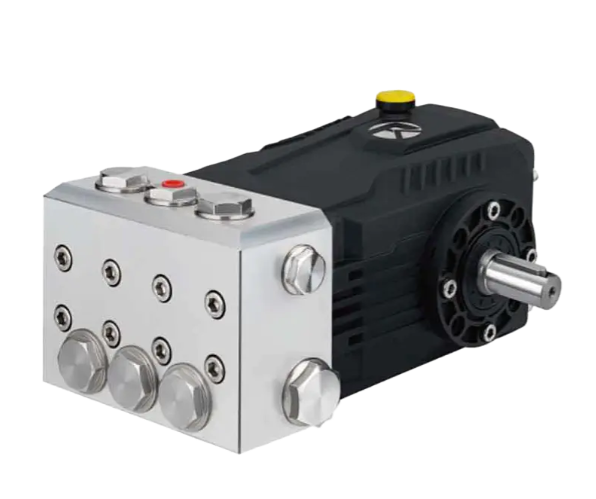
Quality control is not only about checking the final product before delivery. It involves many steps throughout production, from material selection and manufacturing processes to inspection and customer communication.
As competition in the pump industry increases, more buyers are paying attention to how factories manage quality instead of only comparing quotations.
Why Does Quality Control Matter When Selecting a Stainless Steel Pump Factory ?
A pump factory is responsible for transforming raw materials into finished products that meet customer requirements. During this process, many details can affect the final result.
A factory with a strong quality control system usually pays attention to every stage of production. This approach helps reduce unexpected issues and supports more stable cooperation between suppliers and buyers.
For purchasing teams, quality control can influence several areas:
| Quality Control Area | Possible Impact |
|---|---|
| Material checking | Helps ensure suitable materials are used |
| Production management | Supports consistent manufacturing processes |
| Product inspection | Helps identify possible issues before delivery |
| Order management | Reduces communication problems |
| Customer feedback | Helps improve future production |
Without proper quality management, even a well-designed pump may face problems during use.
For businesses that depend on regular supply, working with a factory that values quality control can make purchasing decisions more predictable.
What Quality Control Processes Should a Stainless Steel Pump Factory Have?
Quality control is not a single step. It is a complete process that covers different parts of manufacturing.
A professional pump factory usually considers several stages.
Material Management
The quality of a pump starts with the materials used in production. Factories need to check whether incoming materials match the requirements of the product design.
Material management can include:
- Checking supplier information
- Confirming material suitability
- Organizing storage conditions
- Tracking material use during production
Good material management creates a foundation for stable manufacturing.
Production Monitoring
During production, factories need to manage different processes carefully. Small mistakes during manufacturing may influence the final product.
Production monitoring helps workers identify problems earlier and make adjustments when needed.
Finished Product Inspection
Before products leave the factory, inspection allows manufacturers to review whether the finished pumps meet customer expectations.
This stage may include checking:
- Product appearance
- Assembly condition
- Operating performance
- Packaging preparation
A complete inspection process gives buyers more confidence when receiving products.
How Can Quality Control Influence Supplier Reliability?
Working with a stainless steel pump factory, reliability tends to come up fast as a real concern. It's not only about whether they can make the pumps — can they communicate clearly, actually understand what you need, and keep orders on track without constant follow-up?
Quality control ends up shaping a lot of that.
Factories with solid quality procedures usually catch problems before they ship out the door. That means fewer surprises showing up after delivery, which honestly saves everyone a headache.
For buyers placing repeat orders, consistency across batches matters just as much as getting one good shipment right. Good quality control keeps production standards steady over time, instead of quality drifting from one batch to the next.
There's also the long game to think about. A factory that takes quality seriously tends to be a better fit for ongoing partnerships. Most buyers would rather stick with a supplier they trust than deal with the hassle of switching every time something slips — vetting a new factory from scratch just isn't worth it if the current one is doing fine.
What Should Buyers Check About a Stainless Steel Pump Factory's Quality Management?
When evaluating a pump factory, buyers can ask questions about quality management instead of only requesting prices.
Some useful areas to review include:
| Evaluation Area | Questions Buyers May Consider |
|---|---|
| Production process | How does the factory manage manufacturing steps? |
| Inspection system | How are products checked before shipment? |
| Material control | How are materials selected and managed? |
| Customer service | How does the factory handle feedback? |
| Production experience | Can the factory support different customer needs? |
These questions help buyers understand how the factory operates.
A supplier that can clearly explain its quality approach may provide more confidence during cooperation.
The goal is not to find a factory with the lowest quotation. It is to find a partner that can balance cost, product requirements, and supply stability.
Is Quality Control More Important for Customized Stainless Steel Pumps?
Customized projects need a lot more back-and-forth between buyer and manufacturer than standard orders do. That's exactly why quality control matters even more here.
A standard pump follows a process the factory's already run a hundred times. A customized one brings new designs, specific requirements, and changes along the way — none of which fit neatly into an existing routine.
Getting the Design Right
Before anything gets built, the factory needs a clear picture of what the buyer actually wants. Solid communication between engineers, sales, and the buyer goes a long way toward avoiding costly misunderstandings later.
Handling Changes Mid-Production
Custom orders rarely go exactly as planned — adjustments during manufacturing are pretty normal. A factory with good quality management handles these changes without things spiraling into chaos.
Confirming Before Shipment
Before the pump goes out the door, it needs a final check against what was actually agreed on — not just a general quality pass.
For companies building new equipment or working on specialized applications, picking a factory with strong quality control isn't just nice to have. It cuts down real project risk.
How Does Quality Control Affect the Relationship Between Buyers and Factories?
Supplier relationships are built over time. A factory's approach to quality can influence how smoothly both sides work together.
When quality management is consistent, buyers may experience:
- Fewer production concerns
- Easier communication
- Better order planning
- More confidence in future cooperation
On the other hand, poor quality management may create additional challenges.
Problems may include:
- Unexpected product adjustments
- Delayed communication
- Increased inspection work
- Difficulty maintaining supply plans
For many businesses, supplier selection is not only about purchasing a product. It is about building a stable connection with a manufacturing partner.
Quality control becomes part of that relationship.
Are Stainless Steel Pump Factories With Quality Control Better Prepared for Market Changes?
The pump industry continues to face changing customer expectations. Buyers now look for suppliers that can respond to different requirements and maintain stable production.
Factories with organized quality control processes may have better preparation for these changes.
Several market needs are influencing supplier decisions.
More Attention to Product Consistency
Businesses need products that can support their own manufacturing or distribution plans. Consistency has become an important factor during supplier evaluation.
Increased Focus on Customer Requirements
Different industries may have different expectations for stainless steel pumps. Factories need flexible management methods to respond to these differences.
Stronger Supply Chain Management
Companies are paying more attention to supplier stability. A factory's quality approach can reflect its overall management ability.
Growing Importance of Factory Transparency
Buyers often want clearer information about production and inspection processes. Transparent communication can support stronger cooperation.
Quality control is becoming part of how companies evaluate manufacturing partners.
How Can Buyers Balance Quality Control and Purchasing Costs?
Cost remains an important factor when choosing a China Stainless Steel Pump factory. However, purchasing decisions usually involve more than the initial price.
A lower quotation may appear attractive, but buyers also need to consider possible costs caused by quality issues, communication problems, or unstable supply.
A balanced evaluation may include:
| Consideration | Why It Matters |
|---|---|
| Product quality | Supports stable use and customer satisfaction |
| Factory capability | Shows whether the supplier can meet requirements |
| Communication efficiency | Helps avoid misunderstandings |
| Production stability | Supports future purchasing plans |
| Service support | Makes cooperation smoother |
A suitable factory should match the buyer's actual needs.
Different companies may have different priorities. Some may focus on customized production, while others may need stable regular supply. Quality control helps buyers understand whether a factory can support those expectations.
For companies selecting a stainless steel pump factory, quality control is an important part of the evaluation process. It reflects how a factory manages materials, production, inspection, and customer cooperation. Looking beyond price allows buyers to better understand the real value of a supplier and choose a manufacturing partner that fits their long-term requirements.
Previous Post
Can a High Pressure Drum Pump Handle Different Types of Fluids
Next Post
What Is a High Pressure Washdown Pump and How Does It Work
Related Products


CONTACT US
- Address: No. 2880, East Section of Development Avenue, Sanjia Street, Taizhou Bay New District, Taizhou City, Zhejiang, China.
- Tel: +86-13665766622
+86-18806588150 - E-mail: [email protected]
Copyright © Taizhou Feike Mechanical Technology Co., Ltd.

Wholesale Triplex Plunger Pump Factory