

 English
 Español
 русский
Efficiency and Energy Performance of Three Plunger Pumps
2025-12-05
Introduction to High Pressure Pump Types
When selecting a pump for industrial applications, efficiency and energy consumption are key considerations. The Three Plunger High Pressure Pump is often compared to diaphragm pumps and general reciprocating pumps due to its high-pressure capabilities. Understanding the performance differences among these pump types helps engineers and operators choose the right equipment for specific tasks, balancing energy use, reliability, and operational cost.
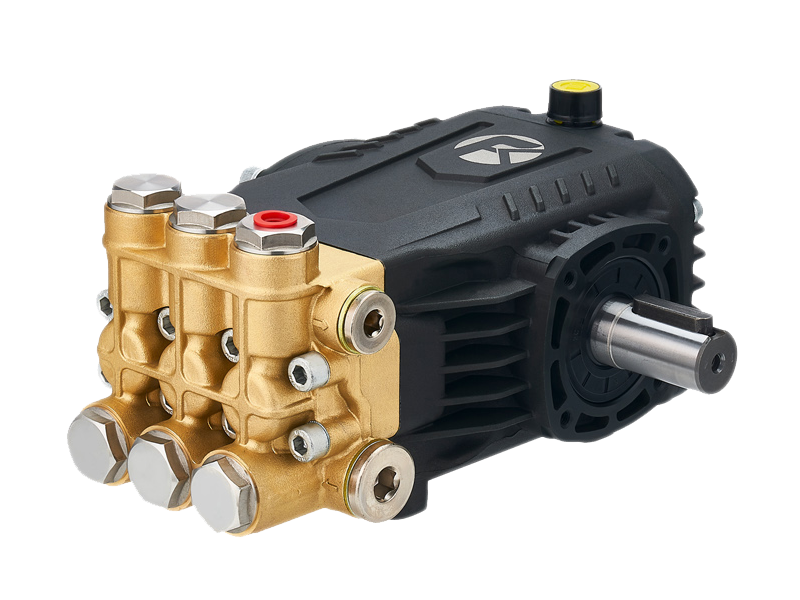
Operational Principles of Three Plunger Pumps
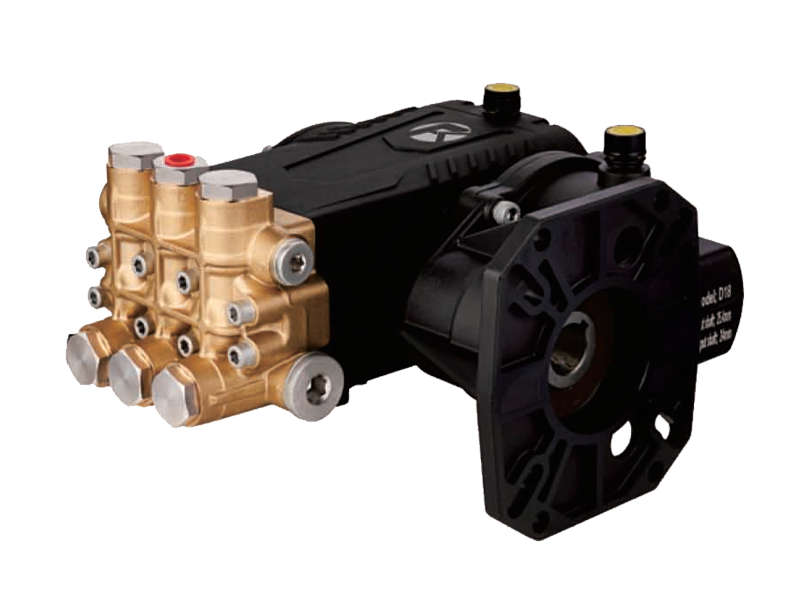
A three-plunger high-pressure pump uses three reciprocating plungers to draw fluid into the pump chamber and deliver it under high pressure. This design ensures a relatively smooth and continuous flow compared to single-plunger pumps, with reduced pulsation and more stable discharge pressure. The pump’s efficiency is enhanced by its ability to maintain a constant high-pressure output while reducing internal friction and energy loss, which contributes to lower operational costs during prolonged use.
Comparison with Diaphragm Pumps
Diaphragm pumps operate by flexing a diaphragm to displace fluid, creating suction and discharge cycles. While diaphragm pumps are good for handling corrosive, abrasive, or viscous fluids, they generally have lower volumetric efficiency than plunger pumps. Energy consumption can be higher because the mechanical action of the diaphragm requires additional force to overcome fluid and diaphragm resistance. In contrast, the Three Plunger High-Pressure Pump delivers a higher flow rate at the same pressure with less energy input, particularly in applications requiring consistent high-pressure operation.
Comparison with General Reciprocating Pumps
Traditional reciprocating pumps with a single piston or plunger can deliver high pressures but often exhibit significant pulsation and less stable flow. The energy efficiency of single-plunger designs can be lower due to larger pressure fluctuations and increased mechanical stress, which may require more frequent maintenance. The three-plunger design distributes the workload across multiple plungers, reducing energy loss caused by start-stop cycles and mechanical vibration. This results in improved overall pump efficiency and more reliable operation over long periods.
Energy and Cost Implications
The higher efficiency of three-plunger pumps translates directly into lower energy consumption for high-pressure applications. This is especially significant in continuous-duty scenarios, such as water jet cutting, high-pressure cleaning, or chemical injection systems. Fewer energy losses and reduced mechanical wear contribute to lower operating costs and decreased maintenance frequency. In contrast, diaphragm and single-plunger pumps may require additional energy input and more frequent maintenance, increasing total operational costs.
Practical Considerations for Users
While the Three Plunger High Pressure Pump demonstrates good efficiency in many cases, users must also consider the specific application and fluid characteristics. Diaphragm pumps are still preferable for highly corrosive or abrasive fluids, where plunger wear could be accelerated. Proper material selection, maintenance schedule, and pump sizing are essential to improving the energy efficiency of any high-pressure system.
Good Efficiency of Three Plunger Pumps
The Three Plunger High Pressure Pump generally offers higher energy efficiency and more stable operation compared to diaphragm and traditional single-plunger reciprocating pumps. Its ability to deliver consistent high-pressure flow with reduced mechanical stress results in lower energy consumption and operational costs. While diaphragm and single-plunger pumps have their advantages in specialized applications, three-plunger pumps are often the preferred choice for demanding industrial processes that require both high pressure and efficient energy performance.
Previous Post
Performance of Three Plunger Pumps in Extreme Conditions
Next Post
Can Triple-Plunger Pumps Handle Particulate and Viscous Fluids?
Related Products


CONTACT US
- Address: No. 2880, East Section of Development Avenue, Sanjia Street, Taizhou Bay New District, Taizhou City, Zhejiang, China.
- Tel: +86-13665766622
+86-18806588150 - E-mail: [email protected]
Copyright © Taizhou Feike Mechanical Technology Co., Ltd.

Wholesale Triplex Plunger Pump Factory