

 English
 Español
 русский
Advantages and Disadvantages of Stainless Steel Pumps
2026-01-27
Introduction to Stainless Steel Pump Comparison
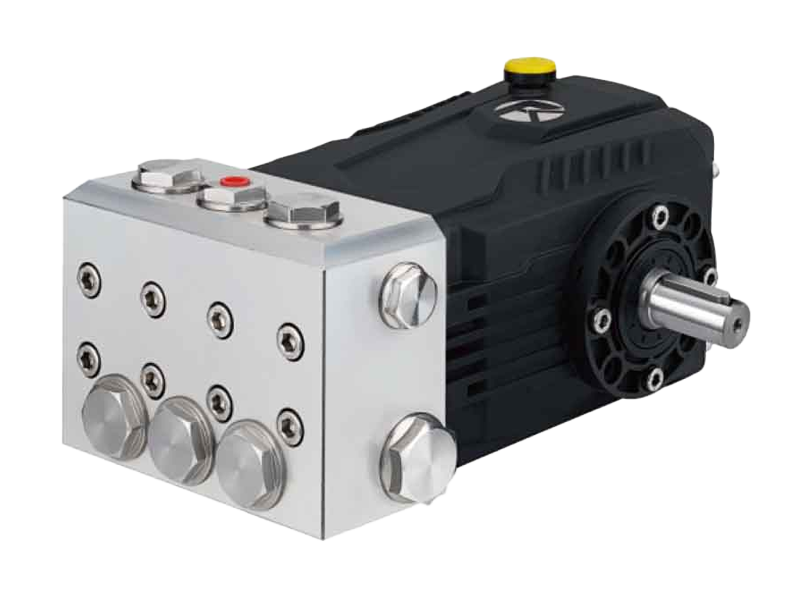
A Stainless Steel Pump is widely used in industrial, chemical, and food processing applications due to its corrosion resistance, durability, and hygienic properties. When Stainless Steel Pump Factory selects a pump, it is important to understand how stainless steel pumps compare to alternative materials, such as cast iron or plastic. Each material offers unique advantages and limitations, and the right choice depends on the specific fluid, operating conditions, and industry requirements.
Advantages Over Cast Iron Pumps
Stainless steel pumps offer significant benefits compared to cast iron models. They provide good corrosion resistance, making them ideal for handling acidic, alkaline, or chemically aggressive fluids that can rapidly degrade cast iron. The smooth surface of stainless steel also prevents contamination and buildup, which is critical in food, beverage, and pharmaceutical applications. Stainless steel pumps are generally more hygienic, easier to clean, and maintain, reducing the risk of bacterial growth. Additionally, stainless steel is resistant to high temperatures, allowing the pump to handle hot liquids more safely than cast iron in certain conditions.
Advantages Over Plastic Pumps
Compared to plastic pumps, stainless steel pumps are much stronger and more durable. They can withstand higher pressures and mechanical stress without cracking or deforming, making them suitable for demanding industrial applications. Stainless steel also offers good thermal stability, whereas plastic pumps may soften, warp, or degrade under high temperatures. For abrasive or particulate-laden fluids, stainless steel is more resistant to wear, extending the pump’s lifespan. Furthermore, stainless steel provides better sealing capabilities, reducing the risk of leaks under high-pressure conditions.
Limitations Compared to Cast Iron Pumps
Despite its advantages, stainless steel does have some drawbacks compared to cast iron. Stainless steel pumps tend to be more expensive due to the cost of materials and manufacturing. In some cases, cast iron pumps may be sufficient for non-corrosive fluids at moderate temperatures and pressures, offering a more cost-effective solution. Additionally, stainless steel is denser and heavier than cast iron, which may require more robust support structures or handling during installation.
Limitations Compared to Plastic Pumps
When compared with plastic pumps, stainless steel pumps are heavier and may require more energy to operate due to their higher weight and friction. Plastic pumps are often chosen for light-duty applications because they are lightweight, inexpensive, and resistant to some chemicals that can affect certain grades of stainless steel. Plastic pumps also offer flexibility in design, such as complex shapes or integrated components, which may be more difficult and costly to fabricate in stainless steel.
Material Selection Considerations
Choosing between a stainless steel, cast iron, or plastic pump requires evaluating fluid type, pressure, temperature, and environmental conditions. Stainless steel pumps are good for corrosive, high-pressure, or high-temperature applications, while cast iron pumps work well for general-purpose water or non-aggressive fluids, and plastic pumps excel in lightweight, low-pressure, or chemically compatible applications. Consulting a reliable Stainless Steel Pump Factory ensures that the selected pump meets industry standards and application requirements, providing performance and safety assurances.
Stainless steel pumps offer clear advantages in corrosion resistance, durability, hygiene, and thermal stability compared to cast iron and plastic pumps. However, they come with higher material costs and increased weight. Cast iron pumps may be a more economical option for non-corrosive fluids, while plastic pumps are lightweight and versatile for specific chemical applications. Understanding the benefits and limitations of each material ensures that users select the suitable pump for their operational needs, balancing performance, cost, and longevity.
Previous Post
Inlet and Outlet Materials for Three Plunger High Pressure Pumps
Next Post
Selecting Plunger Pump Based on Flow And Pressure
Related Products

CONTACT US
- Address: No. 2880, East Section of Development Avenue, Sanjia Street, Taizhou Bay New District, Taizhou City, Zhejiang, China.
- Tel: +86-13665766622
+86-18806588150 - E-mail: [email protected]
Copyright © Taizhou Feike Mechanical Technology Co., Ltd.

Wholesale Triplex Plunger Pump Factory