

 English
 Español
 русский
Optimizing High Pressure Pump Energy Efficiency
2026-03-13
Energy Challenges in High Pressure Pumps
High-pressure pumps are essential in many industrial applications, including water treatment, chemical processing, and oil & gas operations.
However, these pumps often consume significant amounts of electricity, making energy efficiency a critical consideration for operational cost savings.
A High Pressure Pump Factory can supply advanced models designed with energy-saving technologies, but operators can also optimize existing systems using variable frequency drives (VFDs) and energy-efficient motors.
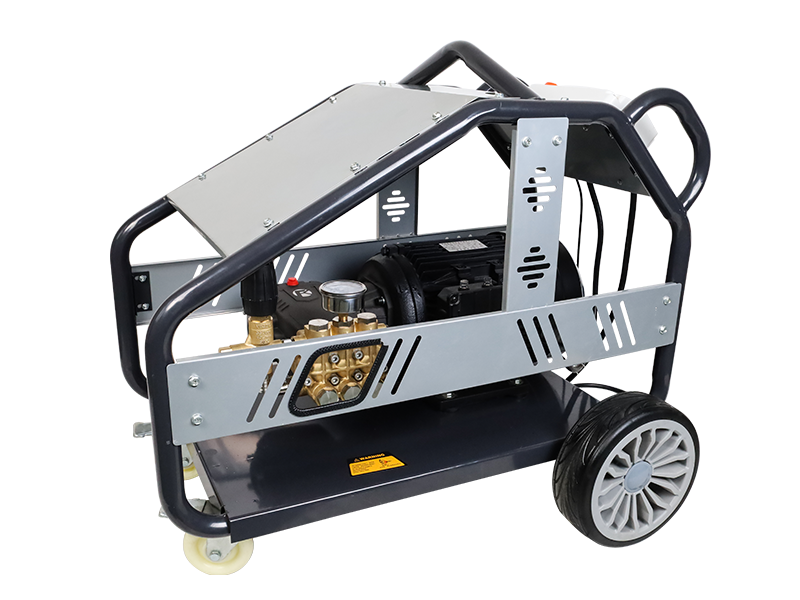
Understanding Pump Energy Consumption
Flow rate and pressure demand:
- Pump energy usage increases with flow rate and system pressure.
- Oversized pumps or pumps operating at full speed for lower demand conditions waste energy.
Pump type and design:
- Different designs, such as centrifugal, plunger, or piston high-pressure pumps, have varying efficiency characteristics.
- Matching pump design to process requirements is a step in reducing energy waste.
Variable Frequency Drives (VFDs) for Energy Optimization
- What is a VFD?
A VFD adjusts the motor speed to match system demand instead of running at constant full speed.
- Benefits for high-pressure pumps:
Reduces energy consumption by avoiding unnecessary high-speed operation.
Smoothly adjusts flow and pressure to match real-time demand, improving process control.
- Implementation considerations:
Ensure the pump motor is compatible with VFD operation.
Include proper filtering and protection to prevent electrical noise or harmonic distortion.
- Energy savings potential:
In many cases, using a VFD can reduce energy consumption by 20–50%, depending on load variations.
Energy-Efficient Motors
1. High-efficiency motor design:
- Motors with lower electrical losses reduce overall energy use.
- Premium-efficiency or IE3/IE4-rated motors are standard for modern high-pressure pumps.
2. Motor sizing and alignment:
- Correct motor sizing ensures the pump is not overpowered, preventing unnecessary energy consumption.
- Proper alignment reduces mechanical friction and wear, further improving efficiency.
3. Maintenance impact:
Energy-efficient motors maintain higher performance over time, provided routine lubrication, cooling, and inspection are performed.
4. Combined Strategies: VFDs + Efficient Motors
Synergistic effect:
- Using both a VFD and an energy-efficient motor improves energy savings.
- The VFD controls speed to match demand while the motor reduces electrical losses.
Process stability:
- Smooth acceleration and deceleration from the VFD reduce water hammer and mechanical stress.
- Maintaining stable flow improves energy efficiency across the system.
System-Level Optimization
Pump selection and network design:
- Choose pumps sized for average operating conditions rather than demand.
- Incorporate bypass lines, storage tanks, or pressure buffers to avoid running pumps at full capacity unnecessarily.
Monitoring and control:
- Installing flow meters, pressure sensors, and smart controllers allows real-time energy optimization.
- Data-driven monitoring identifies inefficiencies and opportunities for further energy reduction.
Economic and Environmental Benefits
- Cost savings: Reducing electricity usage lowers operational expenses, often paying for VFD installation in 12–36 months.
- Environmental impact: Lower energy consumption reduces greenhouse gas emissions and aligns with sustainability goals.
- Extended equipment life: Optimized operation reduces wear and tear, lowering maintenance costs and prolonging pump lifespan.
Implementation Practices
Assessment:
- Conduct an energy audit of existing high-pressure pumps to identify inefficiencies.
Gradual deployment:
- Start with high-load, frequently used pumps for VFD retrofitting.
Integration with automation:
- Incorporate VFDs and efficient motors into plant-wide automation systems for energy control.
Training and monitoring:
- Operators should be trained on the correct operation of VFDs and efficient motor systems.
- Continuous monitoring ensures energy savings are maintained over time.
Conclusion
Energy efficiency is a critical factor for high-pressure pump operation, and High Pressure Pump Factory solutions provide both hardware and support for optimization.
Implementing variable frequency drives and energy-efficient motors significantly reduces electricity consumption while enhancing process control and equipment longevity.
Coupled with proper pump selection, system monitoring, and maintenance, these measures create cost-effective, environmentally responsible, and reliable pumping solutions.
Previous Post
Impact of Surface Finish on Microbial Control in Pumps
Next Post
Three Plunger High Pressure Pump: Handling Solids Safely
Related Products

CONTACT US
- Address: No. 2880, East Section of Development Avenue, Sanjia Street, Taizhou Bay New District, Taizhou City, Zhejiang, China.
- Tel: +86-13665766622
+86-18806588150 - E-mail: [email protected]
Copyright © Taizhou Feike Mechanical Technology Co., Ltd.

Wholesale Triplex Plunger Pump Factory