

 English
 Español
 русский
Impact of Surface Finish on Microbial Control in Pumps
2026-03-20
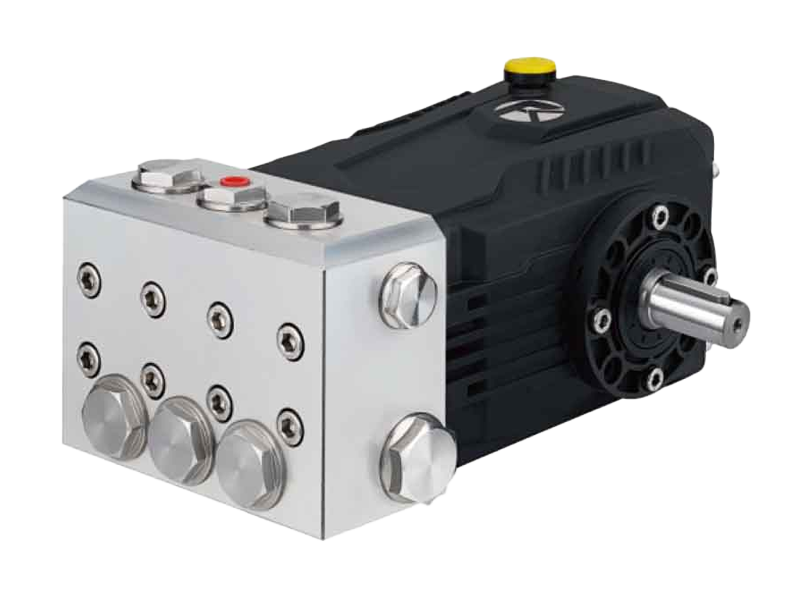
In industrial and sanitary applications, the cleanliness of fluid handling systems is paramount. One of the critical factors influencing microbial contamination is the surface finish and internal roughness of stainless steel pumps. Manufacturers and users from a Stainless Steel Pump Factory often emphasize surface treatment as a key step in ensuring hygiene and product safety. Understanding how surface polishing and internal roughness affect microbial adhesion is essential for effective control strategies.
Importance of Surface Polishing
- Smooth surfaces reduce bacterial adhesion: Polishing stainless steel to a mirror or near-mirror finish significantly decreases the number of crevices where microbes can attach. Smooth surfaces reduce the opportunities for biofilm formation.
- Enhanced cleanability: Polished surfaces allow cleaning agents to flow more easily over the pump, reducing residual deposits and microbial load. This is particularly important in the food, pharmaceutical, and cosmetic industries.
- Corrosion resistance: Polishing also enhances corrosion resistance. Microbial contamination can be exacerbated by surface corrosion, as pits and scratches create niches for bacterial growth.
Effects of Internal Roughness
- Roughness promotes microbial colonization: Even minor increases in internal roughness provide microorganisms with more surface area to attach, shelter, and proliferate. Studies show that a roughness increase from 0.4 µm to 1.2 µm can dramatically increase microbial retention.
- Biofilm formation acceleration: Rough surfaces enable biofilm formation, which is more resistant to cleaning and disinfectants. Biofilms can harbor pathogenic bacteria, posing health risks.
- Impact on fluid dynamics: Rough surfaces create micro-turbulence and stagnation points in the flow, further facilitating microbial attachment. Proper design must consider the correlation between flow patterns and surface roughness.
Industry Standards and Guidelines
- Recommended roughness levels: For hygienic applications, stainless steel surfaces are generally recommended to have a roughness (Ra) of ≤0.8 µm. Critical areas often require ≤0.4 µm.
- Surface finishing methods: Techniques such as electropolishing, mechanical polishing, and passivation are commonly used. Electropolishing not only smooths surfaces but also removes embedded contaminants and improves chemical resistance.
- Validation and inspection: Many Stainless Steel Pump Factory quality control protocols include visual inspection, profilometry, and microbial swab testing to ensure surfaces meet hygiene standards.
Cleaning and Maintenance Considerations
- Cleaning frequency: Pumps with smoother surfaces require less aggressive cleaning but still benefit from regular cleaning cycles to prevent microbial build-up.
- Sanitization effectiveness: Polished pumps respond better to sanitization processes, as cleaning agents can contact the entire surface more uniformly.
- Monitoring surface degradation: Over time, repeated use and mechanical wear can increase surface roughness. Regular maintenance and repolishing are essential for maintaining microbial control.
Case Studies and Practical Implications
- Food industry: Dairy and beverage plants that upgraded to highly polished stainless steel pumps observed a significant reduction in microbial counts, decreasing contamination risk and product recalls.
- Pharmaceutical applications: Clean-in-place (CIP) processes are more effective on polished pumps, ensuring regulatory compliance and reducing contamination of sterile products.
- Cosmetic manufacturing: Smooth internal surfaces prevent product discoloration and spoilage caused by microbial activity, ensuring longer shelf life.
The surface finish and internal roughness of stainless steel pumps play a crucial role in microbial control. Smooth, polished surfaces reduce adhesion, enhance cleanability, and prevent biofilm formation, while rough surfaces increase contamination risks. For industries relying on high hygiene standards, collaboration with a reputable Stainless Steel Pump Factory and adherence to recommended polishing and maintenance practices are essential. Regular monitoring, proper cleaning, and attention to surface integrity ensure both product safety and operational efficiency.
Previous Post
Advantages of Hot Water High Pressure Washers
Next Post
Optimizing High Pressure Pump Energy Efficiency
Related Products

CONTACT US
- Address: No. 2880, East Section of Development Avenue, Sanjia Street, Taizhou Bay New District, Taizhou City, Zhejiang, China.
- Tel: +86-13665766622
+86-18806588150 - E-mail: [email protected]
Copyright © Taizhou Feike Mechanical Technology Co., Ltd.

Wholesale Triplex Plunger Pump Factory