

 English
 Español
 русский
Three Plunger High Pressure Pump: Handling Solids Safely
2026-03-06
Purpose and Applications
A Three Plunger High Pressure Pump is widely used in industries that require stable, high-pressure fluid delivery, such as cleaning systems, oil and gas operations, and chemical processing.
While these pumps are ideal for clear, low-viscosity fluids, many applications involve fluids containing solids or high-viscosity liquids, raising important questions about safety, efficiency, and pump longevity.
Understanding limitations and proper operating procedures is critical to ensure effective and safe use.
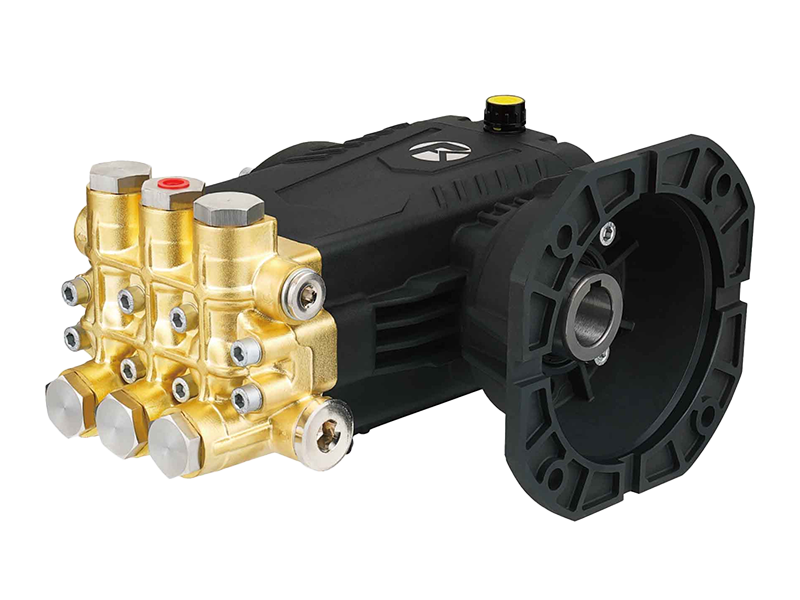
Operating Principles Relevant to Challenging Fluids
Plunger mechanism:
- The pump uses three reciprocating plungers to draw fluid into a chamber and push it out at high pressure.
- This arrangement delivers smooth flow and reduced pulsation compared to single-plunger designs.
Impact on solids and viscous fluids:
- Solids or thick fluids introduce additional resistance against plunger movement.
- Internal components such as valves and seals are subjected to higher wear and stress.
Handling Fluids with Solid Particles
Particle size limits:
- Standard pumps are designed for minimal or zero solid content.
- Large or abrasive particles can damage valve seats, plungers, and seals, causing leaks or failure.
Preventive measures:
- Install inline filters or strainers to remove coarse particles before fluid enters the pump.
- Use wear-resistant materials like hardened steel or tungsten carbide for components exposed to solids.
Monitoring and maintenance:
- Frequently inspect for unusual vibrations, noise, or pressure fluctuations indicating wear or blockage.
- Replace worn valves, seals, and plungers promptly to prevent further damage.
Pumping High-Viscosity Fluids
Viscosity effects:
- High-viscosity liquids increase the mechanical load on plungers and drive systems.
- Flow rates may decrease, and energy consumption rises, which can cause overheating.
Operational adjustments:
- Reduce pump speed to allow thicker fluids to move efficiently.
- Maintain temperatures within the manufacturer’s recommended range to avoid excessive fluid resistance.
Material considerations:
- Larger plunger clearances may be required for viscous fluids.
- Using reinforced cylinders, high-strength seals, and durable valve materials improves performance and longevity.
Operational Practices
Pre-filtration:
- Remove solid particles to reduce wear and avoid blockage.
- Use filters with mesh sizes suitable for the particle size allowable by the pump.
Pressure and flow monitoring:
- Regularly check inlet and outlet pressures to prevent overloading.
- Install pressure relief valves or bypass systems to safeguard against sudden spikes.
Temperature management:
- High-viscosity fluids can generate heat during pumping; cooling or intermittent operation may be necessary.
Fluid compatibility:
- Ensure the pumped fluid does not chemically react with pump materials, which can accelerate wear or corrosion.
Maintenance and Longevity
Routine inspections:
- Check plungers, seals, and valves for wear and tear.
- Monitor flow and pressure performance to detect early signs of degradation.
Lubrication and cleaning:
- Follow manufacturer guidelines for lubrication intervals.
- Flush the pump after use with low-viscosity, clean fluids to remove residues.
Replacement schedule:
Replace components proactively rather than reactively to avoid unplanned downtime.
When to Consider Alternative Pumps
- Slurries or abrasive solids: Progressive cavity, rotary lobe, or diaphragm pumps are better suited for media containing larger particles.
- Extremely viscous fluids: Alternative pumps can maintain consistent flow and reduce mechanical stress.
- Cost-effectiveness: Using a standard three plunger pump outside its design parameters can cause frequent maintenance, increased energy consumption, and shorter lifespan.
Conclusion
- The Three Plunger High Pressure Pump can handle certain moderately viscous fluids and very fine particulate-free liquids effectively.
- Fluids containing solids or high viscosity require careful consideration:
- Pre-filtration and particle control are essential.
- Material upgrades and operational adjustments can mitigate wear and maintain efficiency.
- For applications with significant solids or extreme viscosity, alternative pump technologies may provide safer, more reliable, and cost-effective solutions.
- Proper understanding and adherence to manufacturer guidelines ensure consistent performance, long service life, and operational safety in industrial environments.
Previous Post
Optimizing High Pressure Pump Energy Efficiency
Next Post
Surfaces Suitable for High-Pressure Washer Cleaning
Related Products


CONTACT US
- Address: No. 2880, East Section of Development Avenue, Sanjia Street, Taizhou Bay New District, Taizhou City, Zhejiang, China.
- Tel: +86-13665766622
+86-18806588150 - E-mail: [email protected]
Copyright © Taizhou Feike Mechanical Technology Co., Ltd.

Wholesale Triplex Plunger Pump Factory