

 English
 Español
 русский
Surfaces Suitable for High-Pressure Washer Cleaning
2026-02-24
Introduction to High-Pressure Washer Applications
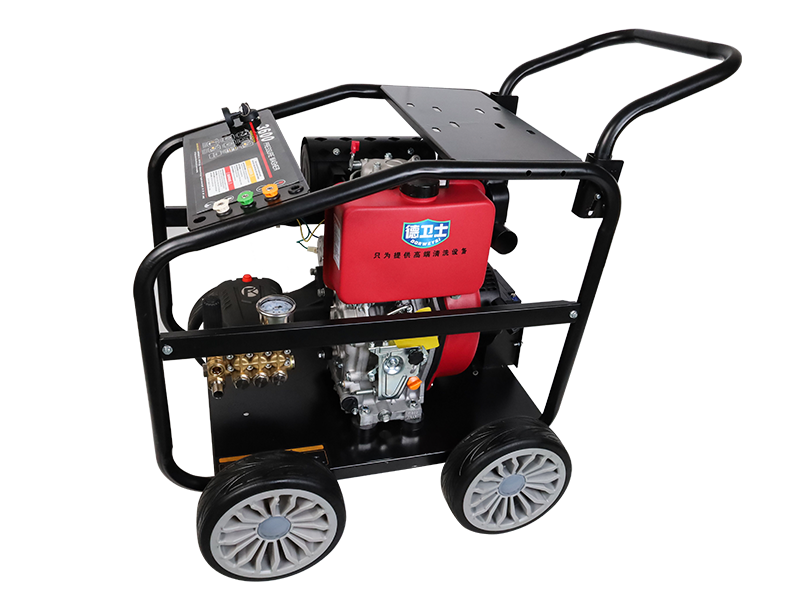
High-pressure washers are versatile cleaning tools widely used in both residential and industrial environments. They provide a powerful stream of water that can remove dirt, grease, mold, and other stubborn residues efficiently. Understanding which surfaces can safely and effectively be cleaned with a high-pressure washer is essential to prevent damage and achieve suitable results. Many High Pressure Washer Factory manufacturers provide guidelines on suitable applications to help users choose the right equipment and settings for different surfaces.
Concrete and Pavement Surfaces
Concrete driveways, sidewalks, and patios are ideal surfaces for high-pressure cleaning. The robust nature of concrete allows it to withstand the intense water pressure without damage. High-pressure washers can remove moss, algae, oil stains, and embedded dirt from these surfaces effectively. Using the appropriate nozzle and pressure setting ensures thorough cleaning while preventing etching or surface erosion. Concrete surfaces benefit from periodic cleaning to maintain appearance and safety, especially in high-traffic areas.
Metal Surfaces
Metal surfaces, including fences, gates, railings, and machinery, can be efficiently cleaned with high-pressure water. Stainless steel, aluminum, and iron withstand moderate to high water pressure, making it easy to remove rust, grease, and accumulated dirt. Care must be taken to avoid using excessively high pressure on thinner metal sheets or delicate components to prevent deformation. High Pressure Washer Factory products often offer adjustable pressure settings to accommodate different metal surfaces safely.
Wooden Surfaces
Wooden decks, fences, and outdoor furniture can also be cleaned with a high-pressure washer, but with caution. Excessive pressure may damage wood fibers or cause splintering. Using a wider spray angle and lower pressure settings preserves the wood while removing dirt, mold, and mildew. Softwoods may require gentler settings, while hardwoods can tolerate slightly higher pressure. Regular cleaning helps maintain the aesthetic appeal and extends the lifespan of outdoor wooden structures.
Vehicle and Equipment Surfaces
Vehicles, boats, and industrial equipment are common applications for high-pressure washers. Cars, trucks, and bicycles can be cleaned efficiently, removing mud, road salt, and grime. Boats and marine equipment benefit from pressure washing to remove algae and barnacles. Using a high-pressure washer with adjustable pressure and appropriate nozzles ensures effective cleaning without damaging paint, seals, or sensitive components. Protective coatings should be considered when cleaning delicate surfaces.
Stone and Brick Surfaces
Brick walls, stone pathways, and natural stone features respond well to high-pressure cleaning. The water pressure removes dirt, moss, and lichens embedded in textured surfaces. Careful selection of nozzle type and pressure ensures that mortar or stone surfaces are not damaged. Routine cleaning prevents staining and maintains the visual appeal of stonework in residential or commercial properties.
Glass and Fragile Surfaces
Glass windows, mirrors, and fragile surfaces require very low-pressure settings when using a high-pressure washer. Excessive pressure may cause cracks, scratches, or shattering. Many high-pressure washer factory models offer variable pressure controls or specialized attachments to protect delicate surfaces while providing effective cleaning. Users should always test in an inconspicuous area before applying high-pressure water to sensitive materials.
High-pressure washers are highly versatile tools suitable for a wide range of surfaces, including concrete, metal, wood, vehicles, stone, and glass. Selecting the appropriate pressure settings, nozzle types, and cleaning techniques ensures effective dirt removal without causing damage. High Pressure Washer Factory providers often supply guidance and product options to optimize performance across different materials. Understanding surface compatibility and adjusting the washer correctly allows users to achieve efficient, safe, and long-lasting cleaning results in both residential and industrial settings.
Previous Post
Three Plunger High Pressure Pump: Handling Solids Safely
Next Post
High Temperature Performance of Stainless Steel Pumps
Related Products

CONTACT US
- Address: No. 2880, East Section of Development Avenue, Sanjia Street, Taizhou Bay New District, Taizhou City, Zhejiang, China.
- Tel: +86-13665766622
+86-18806588150 - E-mail: [email protected]
Copyright © Taizhou Feike Mechanical Technology Co., Ltd.

Wholesale Triplex Plunger Pump Factory