

 English
 Español
 русский
How Does Pump Design Influence Stainless Steel Pump Price
2026-09-18
A pump doesn't look like much on paper — it just moves liquid from point A to point B. But the engineering hiding behind that simple job description varies enormously from one product to the next.
For stainless steel pumps specifically, design and price are tightly linked. Material choice is really just one line item in a much bigger equation. Body shape, internal layout, sealing method, connection style, and the intended application all shape how a pump actually gets built — and what that build ends up costing.
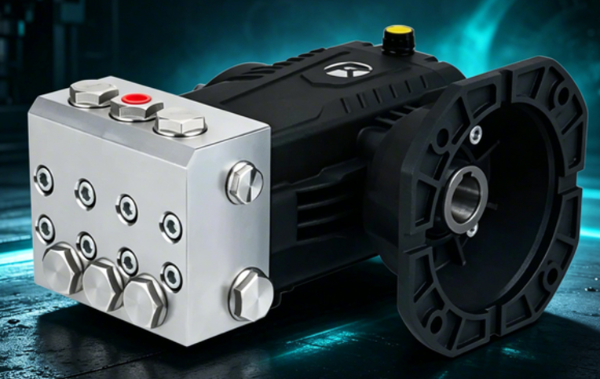
That's exactly why two stainless steel pumps that look nearly identical on a shelf can land wildly different quotes. The gap usually isn't about how much stainless steel went into each one. More often, it comes down to the labor behind manufacturing, assembly, inspection, and finishing.
Getting a handle on that relationship makes pump selection a lot less confusing. It also helps buyers look past the number on a quote sheet and understand exactly what they're paying for underneath it.
What Parts of Pump Design Have the Biggest Influence on Price?
Pump design is made up of many connected choices. Each choice can affect manufacturing work, assembly, material use, and product inspection.
A simple design may use fewer components and follow a relatively straightforward production process. A more specialized design may require additional parts and closer control during assembly. This can increase the amount of work involved.
The pump body is one visible part of this relationship. Its shape must suit the way the pump is expected to handle liquid. A straightforward body design may be easier to produce. A more complex body can require additional forming, machining, finishing, or assembly work.
The internal structure also matters. Components must work together in an organized way. When a design contains more individual parts, production becomes more involved.
The following table shows several common design elements and how they can influence the overall price.
| Pump Design Element | Possible Effect on Manufacturing | Potential Price Influence |
|---|---|---|
| Pump body shape | May change forming and finishing work | Can affect production cost |
| Internal arrangement | May require more assembly work | Can increase manufacturing effort |
| Sealing structure | Can add component and assembly requirements | May raise the quotation |
| Connection design | Influences compatibility and assembly | Can affect overall cost |
| Surface finish | Requires additional finishing attention | May influence material and labor cost |
| Custom design | Requires product-specific preparation | Often changes the final quotation |
This does not mean that a more complicated design is automatically more suitable. The right design depends on the intended use. A pump should be designed around its working environment rather than around appearance alone.
How Does the Pump Body Shape Affect Stainless Steel Pump Price ?
The pump body is the frame holding everything else together, and its shape leaves a real fingerprint on manufacturing cost.
A simple body shape forms, processes, and finishes more easily, following a workflow manufacturers already know inside and out. Fewer steps separate raw material from finished assembly.
A more elaborate body demands more attention at nearly every stage. Curves, transitions, openings, connection points — each added feature pulls in more work. The manufacturer often has to prep the material differently or run extra processing passes to get there.
That matters most when a pump has to squeeze into a tight or unusual installation space. A compact or oddly-shaped body might solve a real installation problem, but it also usually means a more customized production run behind the scenes.
Material quantity plays a role too, sure, but it doesn't explain the whole price on its own. Two pumps using roughly the same amount of stainless steel can still land at different price points simply because their body designs demand different manufacturing paths.
For buyers, the takeaway is straightforward: judging pumps purely by their exterior shape only tells part of the story. What you see on the outside is a fraction of what actually went into building it.
Why Does Internal Pump Design Matter to the Final Price?
Plenty of the real design decisions happen where you can't see them — inside the pump.
Internal components have to work in sync, and how they're arranged directly shapes both liquid handling performance and how easy the pump is to assemble and maintain down the line.
A relatively simple internal layout needs fewer assembly steps. A more elaborate arrangement pulls in extra components and demands more careful fitting work.
That difference shows up in labor costs as much as manufacturing prep. Every extra component has to be produced or sourced, checked, positioned, and assembled correctly. The more involved that assembly chain gets, the more chances there are for costs to creep into the final quote.
Accessibility inside the pump matters too. A design built for easier inspection or maintenance often uses a layout that keeps certain parts within easier reach. That's a genuinely valuable feature — but it usually costs extra design and manufacturing effort to pull off.
Buyers should weigh internal design against actual operating needs rather than either extreme. Paying for complexity you'll never use doesn't make sense. But stripping out genuinely useful design features just to shave the sticker price can bite you later in maintenance headaches.
How Does Sealing Design Influence Stainless Steel Pump Price?
Sealing is another design area that can affect the cost of a stainless steel pump.
The sealing structure helps control the relationship between the moving parts and the liquid being handled. Different applications may create different requirements. A pump used in one environment may need a different sealing approach from a pump used in another.
The choice of sealing arrangement can affect the number of components involved. It can also influence assembly work and inspection requirements.
A simple sealing structure may be easier to assemble. A more specialized design may require additional attention during production. The materials used around the sealing area can also contribute to the quotation.
This does not mean that a more expensive sealing arrangement is always necessary. The appropriate choice should match the application.
For example, if the liquid, operating environment, cleaning routine, or maintenance conditions create particular demands, the pump design may need to reflect those conditions. In such cases, the additional design work can be part of the reason for a higher price.
A useful way to compare quotations is to ask what sealing arrangement is included rather than looking only at the total amount.
Can Connection Design Change the Cost of a Stainless Steel Pump?
Connections may seem like a small detail, but they are important to pump design.
A pump needs to connect with the surrounding system. The inlet and outlet arrangement, connection form, and installation position all influence how the equipment fits into its working environment.
A commonly used connection style may be easier for a manufacturer to produce and assemble. A less common or application-specific connection can require additional preparation.
Custom connection requirements can also affect production planning. The manufacturer may need to adjust the pump body or related components to meet a particular installation need.
This is one reason a standard-looking pump can receive a different quotation when the buyer requests changes. The adjustment may involve more than simply changing an external fitting.
Connection design can affect several stages of production:
- Material preparation The required connection area may change how the pump body is prepared.
- Component production Additional or customized parts may be needed.
- Assembly The modified components must fit correctly with the rest of the pump.
- Inspection The finished connection needs to be checked before the pump is delivered.
When comparing Stainless Steel Pump Price, buyers should make sure the connection requirements are clearly described. This helps avoid comparing different product configurations as if they were identical.
Why Does Surface Finish Add to Stainless Steel Pump Price?
Stainless steel is often selected because its appearance and surface condition matter in many applications. The final surface can also be part of the product design.
A pump may require a relatively simple finish for an industrial setting. Another application may place greater attention on the appearance or cleanability of the surface.
Surface treatment adds work to the manufacturing process. The material may need additional polishing, cleaning, or finishing. The more attention required, the more the process can influence the final price.
Surface finish is also connected to the shape of the pump. A simple external surface may be easier to finish. Complex curves and difficult-to-reach areas can require more time and care.
This creates an interesting relationship between design and appearance. A visually simple product may still require considerable finishing work if its surface needs to meet a particular application expectation.
Buyers should therefore treat surface finish as part of the product specification rather than as a minor cosmetic detail. When requesting quotations, describing the expected finish can make price comparisons clearer.
How Does Customization Influence Stainless Steel Pump Price?
Customization is one of the clearest ways pump design can affect price.
A standard design is usually based on an established production process. A customized pump introduces additional work because the product needs to be adapted to a specific requirement.
Customization can involve the pump body, connections, mounting arrangement, internal components, surface finish, or other product features.
The effect on price depends on how much the original design needs to change. A small adjustment may require limited additional work. A major change can influence several parts of production.
| Customization Area | Design Change | Possible Cost Effect |
|---|---|---|
| Pump body | Shape or installation changes | Additional production work |
| Connections | Different connection arrangement | New or modified components |
| Internal structure | Application-specific arrangement | More design and assembly work |
| Surface | Different finishing requirement | Additional processing |
| Mounting | Different installation method | Product-specific preparation |
| Packaging or handling | Different delivery requirements | Additional preparation |
Customization can still be useful when it solves a genuine installation or operating problem. The important point is to understand why the modification is needed.
A lower-cost standard pump may appear attractive at the quotation stage. If it requires additional changes after purchase, however, the overall cost can become less predictable.
For this reason, buyers should communicate application requirements before production begins. Clear information allows the pump design to be considered as a complete product rather than adjusted piece by piece.
What Should Buyers Look at When Comparing Stainless Steel Pump Price?
Price comparison becomes more meaningful when the products being compared have similar design requirements.
A quotation should not be viewed as a single number. It represents a particular product configuration and manufacturing process.
Buyers can use a simple checklist when reviewing different options:
- Check the pump design Look at the body shape and general construction rather than appearance alone.
- Review the internal arrangement Understand whether the pump uses a simple or more involved structure.
- Confirm the sealing approach Make sure the sealing design suits the intended application.
- Compare connection requirements Different connection arrangements can change production work.
- Review the surface finish Make sure the quoted product has the expected finish.
- Identify customization Separate standard features from product-specific changes.
- Consider maintenance needs A design that is easier to access may have a different cost structure.
- Compare complete configurations Avoid comparing a basic product with a customized product as though they were the same.
This approach shifts the discussion from "Which pump has the lower price?" to "What design and manufacturing work does this price represent?"
That distinction is useful in industrial purchasing. The purchase price is only one part of the decision. The design should also fit the way the pump will be installed, operated, inspected, and maintained.
As stainless steel pumps continue to serve different liquid-handling applications, manufacturers are also dealing with a wider range of design expectations. Some buyers need simple equipment for routine use. Others require a more application-specific structure.
Pump design sits at the center of that difference. Body shape, internal arrangement, sealing, connections, surface finish, and customization all contribute to how a stainless steel pump is produced and priced. Understanding these elements gives buyers a clearer way to read quotations and compare products with similar requirements.
Previous Post
No previous article
Next Post
Where Do High Pressure Plunger Water Pumps Fit in Water Treatment Systems
Related Products

CONTACT US
- Address: No. 2880, East Section of Development Avenue, Sanjia Street, Taizhou Bay New District, Taizhou City, Zhejiang, China.
- Tel: +86-13665766622
+86-18806588150 - E-mail: [email protected]
Copyright © Taizhou Feike Mechanical Technology Co., Ltd.

Wholesale Triplex Plunger Pump Factory