

 English
 Español
 русский
Home / News / Industry News / Stainless Steel Pump Supplier Brings Material Considerations Into Pump Selection
Stainless Steel Pump Supplier Brings Material Considerations Into Pump Selection
2026-09-25
Choosing an industrial pump can look like a straightforward purchasing task. A buyer may begin with the required pump type, then compare product descriptions and prices. Yet the material of the pump can also shape how it fits into a working environment.
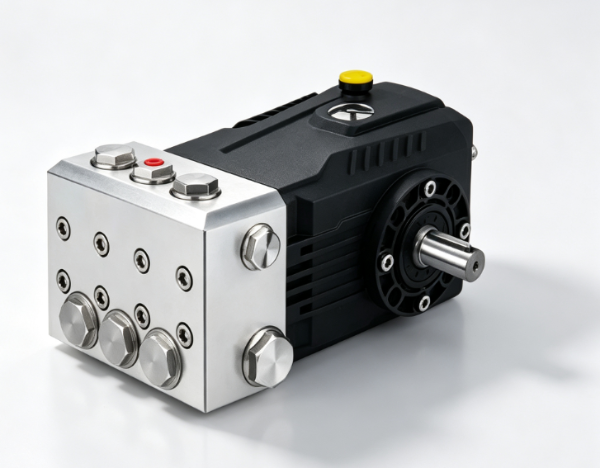
This is why the role of a Stainless Steel Pump Supplier is becoming more connected with material selection. Stainless steel is not simply a visual feature. It can influence how a pump handles contact with liquids, cleaning conditions, moisture, and everyday use.
Different applications can create different demands. A pump used around clean liquids may face a different environment from one used in a setting where moisture, cleaning agents, or aggressive substances are present. The material therefore needs to be considered alongside the intended application.
For buyers, this changes the conversation. Instead of asking only which pump to purchase, they may also ask why a certain material is being used and whether it matches the conditions in which the pump will operate.
Why Does Pump Material Matter During Product Selection?
A pump is part of a larger working system. It comes into contact with the liquid being moved and with the environment around it. Because of this, material choice can influence everyday use.
Stainless steel is widely associated with resistance to corrosion and a clean surface. These characteristics can make it suitable for various industrial settings. However, the term "stainless steel" alone does not describe every possible application. Different environments may call for different material choices.
The condition around the pump also deserves attention. Moisture, cleaning routines, exposure to certain liquids, and general working conditions can all affect the way a pump is used over time.
This gives buyers a practical reason to discuss materials with a Stainless Steel Pump Supplier. A supplier can help connect the material choice with the intended use rather than treating material as an isolated product feature.
The following table highlights several material considerations that can be relevant during product selection.
| Material Consideration | Why It Matters |
|---|---|
| Liquid being handled | Can influence the suitability of the pump material |
| Surrounding environment | May affect long-term surface condition |
| Cleaning routine | Can influence material requirements |
| Moisture exposure | Makes material resistance relevant |
| Frequency of use | Can affect long-term maintenance needs |
| Application purpose | Helps determine whether stainless steel is suitable |
How Can a Stainless Steel Pump Supplier Connect Material With Application Needs?
A supplier does more than provide a product name. In many purchasing situations, the supplier also receives information about how the pump will be used.
This information can include the type of liquid, the surrounding environment, cleaning habits, and the general purpose of the pumping system. These details can help narrow the material discussion.
For example, a buyer may know that stainless steel is preferred but may not know whether the selected product is appropriate for the specific working environment. A supplier can discuss the relationship between the material and the application and point out areas that deserve closer attention.
This type of communication can make the purchasing process more practical. The buyer does not need to rely entirely on a product label. Instead, the selection can begin with the actual working conditions.
There is also value in discussing future use. A pump may begin in one application and later be used for another task. If the material choice is made without considering possible changes, the product may not fit the new situation as well.
A clear conversation with the supplier can therefore cover several basic questions:
- What liquid will the pump handle?
- What type of environment will surround the pump?
- How often will the pump be used?
- What kind of cleaning will be required?
- Are there special material concerns connected with the application?
- Could the intended use change in the future?
These questions are simple, but they can make material selection more closely connected with actual use.
Why Is Corrosion Resistance an Important Part of the Discussion?
Corrosion is a practical concern wherever metal equipment is exposed to moisture or certain substances. A pump may operate in a demanding environment for long periods, so the condition of its material can become part of routine equipment management.
Stainless steel is often selected because of its resistance to corrosion. This can make it useful in environments where ordinary metal surfaces may require greater attention.
However, corrosion resistance should not be treated as a universal guarantee. The actual environment matters. Different liquids and cleaning conditions can interact with materials in different ways.
This is another reason why a Stainless Steel Pump Supplier can be useful during product selection. Buyers can describe their application and ask whether the proposed material is suitable for those conditions.
The discussion can also extend beyond the pump itself. Connections, seals, fittings, and other related components may be exposed to the same environment. A material choice that works for one component may not automatically apply to every part of the system.
For this reason, buyers often benefit from looking at material compatibility as part of the complete pumping arrangement rather than focusing on the pump body alone.
How Does the Working Environment Influence Pump Material Selection?
The same pump may be used in very different surroundings. An indoor production area, a wet processing space, and an outdoor installation can each create different conditions.
Moisture is one obvious factor. Cleaning is another. Some working areas require frequent washing or regular contact with cleaning substances. Others may have relatively dry conditions.
The surrounding environment can also influence how easy the equipment is to maintain. A surface that is simple to inspect and clean may be more convenient in a setting where regular equipment care is part of daily work.
A buyer should therefore look beyond the basic question of whether a pump is made from stainless steel. The more useful question is whether the material fits the actual conditions.
The following areas can help structure the discussion:
- Moisture: How much exposure will the pump have?
- Cleaning: How often does the equipment need to be cleaned?
- Liquid contact: What substances will come into contact with the pump?
- Location: Will the pump work indoors or outdoors?
- Maintenance: How easily can the pump be inspected and cared for?
- Future use: Could the working environment change later?
These factors help turn material selection into an application-based decision.
Why Can Stainless Steel Be Relevant to Clean and Hygiene-Focused Applications?
Some industries place particular attention on clean equipment surfaces. The condition of a pump can matter not only for its operation but also for how easily it can be maintained.
Stainless steel is often considered in these environments because its surface characteristics can support cleaning and routine care. Its appearance also makes it easy to inspect for visible dirt or residue.
This does not mean that every stainless steel pump is automatically suitable for every hygiene-focused application. The complete product design, intended use, cleaning instructions, and material selection all need to be considered together.
For suppliers, this creates an opportunity to provide clearer product information. Instead of simply describing a pump as stainless steel, a supplier can explain the type of application it is intended to serve and the care practices that should be followed.
Buyers can also ask more specific questions. They may want to understand how the pump should be cleaned, which areas require attention, and whether the material is appropriate for their working environment.
This approach can make product selection more transparent. It shifts the discussion from a general material label to practical use.
How Can Material Choice Affect Maintenance and Everyday Use?
Purchasing a pump is only one part of equipment management. The product will need to be used, inspected, cleaned, and maintained throughout its service life.
Material can influence some of these activities. A surface that is resistant to corrosion may require different care from a material that is more vulnerable to moisture or chemical exposure.
Maintenance habits also depend on the application. A pump used occasionally may be inspected on a different schedule from one that forms part of a regular production process.
A Stainless Steel Pump Supplier can help buyers understand the relationship between material and routine care. This information can be useful before the purchase because maintenance expectations can become part of the selection process.
A practical maintenance discussion may cover:
| Maintenance Area | Material-Related Question |
|---|---|
| Cleaning | What cleaning method is suitable for the material? |
| Inspection | Which surfaces or parts should receive regular attention? |
| Moisture | How should the pump be cared for in wet conditions? |
| Surface condition | What changes should users watch for? |
| Storage | How should the pump be kept when not in use? |
| Replacement parts | Should replacement components use compatible materials? |
These questions do not require complex technical knowledge. They simply connect the product with the conditions in which it will actually be used.
What Should Buyers Ask a Stainless Steel Pump Supplier Before Purchasing?
Supplier communication can make a noticeable difference during industrial purchasing. A product description may provide basic information, but a direct conversation can reveal whether the product fits a particular application.
Buyers can begin with the intended use. Explaining the working environment gives the supplier useful context and makes the material discussion more specific.
It is also useful to ask about product care. A pump may fit the application during operation but require unsuitable cleaning practices if the buyer does not understand the recommended maintenance approach.
Another consideration is consistency. If a company plans to purchase pumps for several locations or applications, it may need to understand whether the same material choice works across those situations.
Questions can include:
- What applications is the pump designed for?
- What material is used for the main pump components?
- Is the material suitable for the intended liquid?
- What cleaning practices should be followed?
- What environmental conditions should be considered?
- Which parts may require compatible replacement materials?
- Can the supplier provide product and care information?
These questions help buyers move from a general product search toward a more informed purchasing discussion.
Could Material Selection Change the Way Buyers Evaluate Pump Suppliers?
The role of a supplier can extend beyond simply providing a catalog. When material becomes an important part of pump selection, buyers may pay greater attention to how clearly suppliers communicate about applications and product care.
A Stainless Steel Pump Supplier may work with customers who have very different requirements. One buyer may focus on corrosion resistance. Another may care more about cleaning. Someone else may be working in a humid environment or handling a particular type of liquid.
This creates a need for practical communication. Product information should make it easier to understand what a pump is intended to do and where material considerations may become important.
For procurement teams, supplier evaluation can therefore include several areas beyond product availability.
| Supplier Consideration | What Buyers May Look For |
|---|---|
| Product information | Clear descriptions of intended applications |
| Material information | Easy-to-understand material details |
| Application support | Willingness to discuss actual working conditions |
| Maintenance guidance | Practical care information |
| Product consistency | Clear information across different product options |
| Communication | Direct answers to application-related questions |
This does not mean every buyer needs the same supplier relationship. The right level of support depends on the complexity of the application and the buyer's own experience.
Still, material considerations are making the supplier conversation more closely connected with product selection. A pump is not chosen in isolation. Its material, application, maintenance, and surrounding environment all form part of the purchasing discussion.
As industrial users continue to pay attention to how equipment fits into real working conditions, stainless steel pump selection can become less about choosing a material by name and more about understanding why that material is being considered in the first place.
Previous Post
No previous article
Next Post
How Does Pump Design Influence Stainless Steel Pump Price
Related Products


CONTACT US
- Address: No. 2880, East Section of Development Avenue, Sanjia Street, Taizhou Bay New District, Taizhou City, Zhejiang, China.
- Tel: +86-13665766622
+86-18806588150 - E-mail: [email protected]
Copyright © Taizhou Feike Mechanical Technology Co., Ltd.

Wholesale Triplex Plunger Pump Factory