

 English
 Español
 русский
How Fluids for High-Pressure Pump Applications
2026-01-16
Introduction to Fluid Compatibility
A high-pressure pump is a critical component in various industrial and commercial systems, including water treatment, chemical processing, and hydraulic operations. One of the important considerations for High Pressure Pump Factory's effective operation is the type of fluid it is designed to handle. Choosing the right fluid ensures suitable performance, prevents damage to the pump, and extends the lifespan of the equipment. Mismanagement of fluid compatibility can result in corrosion, seal failure, or decreased efficiency.
Water Applications
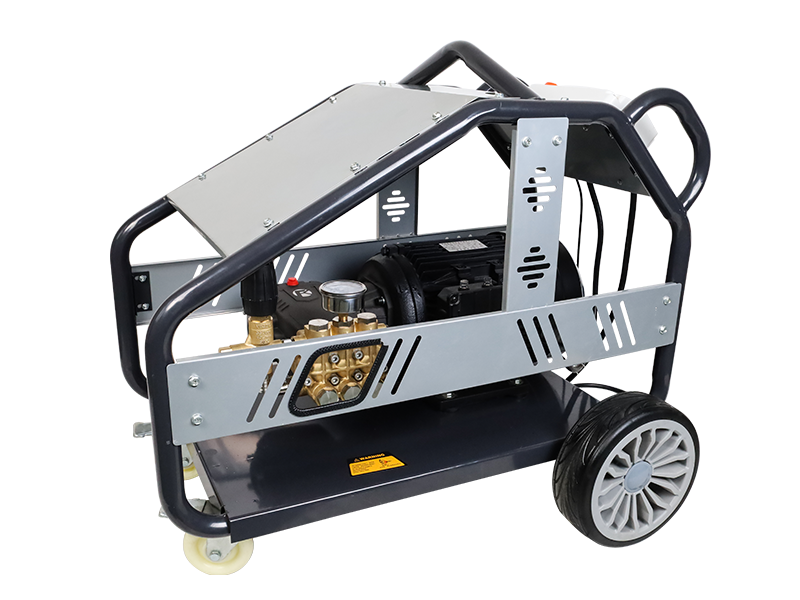
Water is the commonly pumped fluid, used in applications ranging from industrial cleaning to municipal water supply. High-pressure water pumps are designed to handle both clean and slightly contaminated water, depending on the pump type. It is important to consider water temperature, pH levels, and potential sediment content. Pumps handling abrasive particles or hard water may require additional filtration or wear-resistant components to prevent damage to plungers, seals, or valves.
Oil-Based Fluids
High-pressure Pumps can also handle various oils, including lubricating oils, hydraulic fluids, and fuel oils. The viscosity and chemical composition of the oil affect pump selection. High-viscosity oils require pumps capable of generating sufficient pressure without cavitation, while some chemically reactive oils demand corrosion-resistant materials such as stainless steel or special alloys. Ensuring the pump’s seals and gaskets are compatible with the specific oil type is crucial to prevent leakage or premature wear.
Chemical Liquids
Chemical fluids present a great challenge due to their diverse properties, including acidity, alkalinity, and corrosiveness. High-pressure chemical pumps are typically constructed with specialized materials like stainless steel, Hastelloy, or PTFE-lined components to resist chemical attack. When selecting a pump for chemical fluids, it is essential to verify compatibility between the fluid and all wetted parts, including seals, valves, and hoses. Additionally, some chemicals may release hazardous vapors, requiring proper venting and safety measures during operation.
Temperature and Viscosity Considerations
Regardless of the fluid type, temperature, and viscosity play a significant role in pump performance. High-pressure pumps have operating temperature limits; exceeding these can damage seals and reduce efficiency. Low-viscosity fluids may require modifications to prevent cavitation, while high-viscosity fluids need higher torque and power for consistent flow. Understanding the fluid’s physical properties allows for proper pump sizing and selection to maintain safe, reliable operation.
Preventing Cross-Contamination
In industrial environments where pumps handle multiple fluid types, preventing cross-contamination is critical. Using dedicated pumps for specific fluids, thorough cleaning protocols between uses, and ensuring compatibility with seal and valve materials are essential practices. This ensures the integrity of the pumped fluids and prevents premature equipment failure.
Manufacturer Guidance and Practices
Following the guidelines provided by a reputable High Pressure Pump Factory is essential for selecting the correct pump for a specific fluid. Manufacturers provide detailed specifications regarding material compatibility, operating pressure, temperature limits, and recommended maintenance procedures. Adhering to these guidelines ensures suitable pump performance, safety, and long-term reliability.
High-pressure pumps can handle a wide range of fluids, including water, oils, and chemical liquids. Proper selection requires careful consideration of fluid properties, including chemical composition, viscosity, temperature, and potential abrasiveness. By choosing compatible materials, maintaining appropriate operating conditions, and following manufacturer guidance, users can ensure efficient, safe, and long-lasting pump performance across diverse applications. Reliable pumps from a trusted High Pressure Pump Factory provide the necessary specifications and support to manage these critical operational factors.
Previous Post
Selecting Plunger Pump Based on Flow And Pressure
Next Post
Sealing Systems and Leak Prevention in Pumps
Related Products

CONTACT US
- Address: No. 2880, East Section of Development Avenue, Sanjia Street, Taizhou Bay New District, Taizhou City, Zhejiang, China.
- Tel: +86-13665766622
+86-18806588150 - E-mail: [email protected]
Copyright © Taizhou Feike Mechanical Technology Co., Ltd.

Wholesale Triplex Plunger Pump Factory