

 English
 Español
 русский
Suitability of Stainless Steel Pumps for Corrosive Liquids
2025-12-19
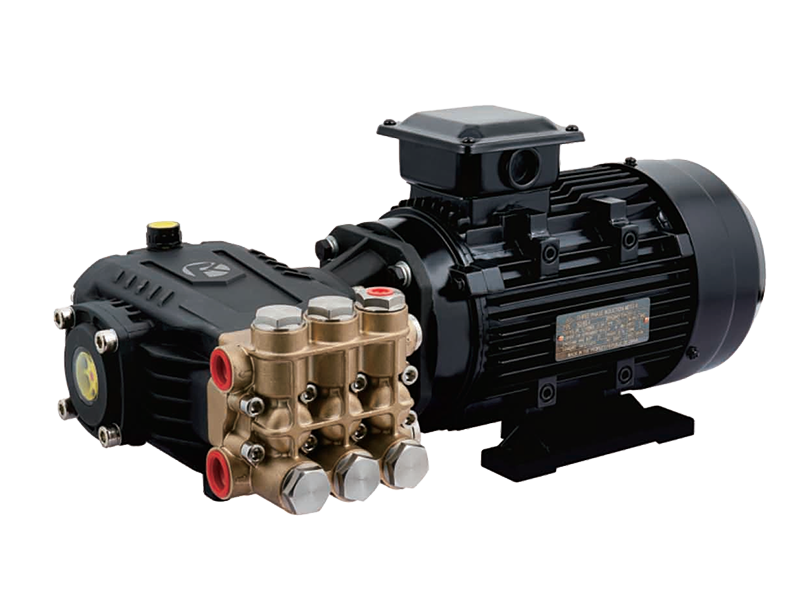
Handling corrosive liquids or aggressive chemical media requires pumps that can withstand chemical attack while maintaining reliable performance. The Stainless Steel Pump is commonly considered for such applications due to its corrosion-resistant properties. Selecting the right pump for chemical handling ensures system longevity, reduces maintenance costs, and protects both the process and the operators from potential hazards.
Corrosion Resistance of Stainless Steel
Stainless steel is known for its high resistance to oxidation and corrosion, which makes it suitable for many chemical environments. The chromium content in stainless steel forms a passive oxide layer on the surface, preventing further corrosion. Grades such as 304 and 316 are frequently used in pumps, with 316 offering good resistance to chlorides, acids, and many aggressive chemicals. The Stainless Steel Pump takes advantage of these properties to handle a wide range of corrosive liquids safely.
Material Selection and Compatibility
Even with stainless steel, not all chemical media are compatible. Strong acids, halides, or highly oxidizing substances can attack stainless steel over time. It is essential to verify chemical compatibility between the pump material and the specific fluid. In some cases, additional coatings, liners, or higher-grade alloys may be required. For instance, 316L stainless steel offers enhanced resistance against pitting and crevice corrosion in chloride-rich solutions, making it preferable for certain chemical processes.
Pump Design Considerations
The design of a Stainless Steel Pump also plays a critical role in chemical resistance. Smooth internal surfaces reduce areas where chemical deposits or corrosive pockets can form, while proper sealing prevents leaks and protects the pump’s internal components. Impeller and casing design are optimized to ensure minimal contact with the pumped liquid where possible, thereby extending service life. Pumps intended for corrosive fluids may also include features like replaceable wear parts and specialized gaskets resistant to chemical attack.
Operational Practices for Corrosive Fluids
Proper operational procedures enhance the pump’s ability to handle corrosive liquids effectively. Avoiding prolonged exposure to stagnant or highly concentrated chemicals prevents localized corrosion. Controlling temperature, pH, and flow rate helps maintain chemical compatibility and reduces stress on the pump. Regular inspection and maintenance, including cleaning and monitoring for signs of corrosion or wear, ensure reliable performance over the pump’s service life.
Advantages of Stainless Steel Pumps
Compared to pumps made from plastics, cast iron, or other metals, the Stainless Steel Pump offers a balance of mechanical strength and corrosion resistance. It can withstand higher pressures and temperatures, making it suitable for demanding industrial processes. Additionally, stainless steel’s durability reduces the frequency of replacements and downtime, which is especially valuable in chemical manufacturing, food processing, or pharmaceutical applications.
Reliable Choice for Chemical Handling
A Stainless Steel Pump is generally well-suited for handling corrosive liquids and chemical media, provided proper material selection, pump design, and operational practices are observed. Its resistance to corrosion, mechanical strength, and long-term durability make it an effective choice for many industrial processes. Assessing the chemical compatibility of the pumped fluid and maintaining the pump under recommended conditions are essential to ensure safe and efficient operation in corrosive environments.
Previous Post
Performance of Stainless Steel Pumps with High-Viscosity Fluids
Next Post
Performance of Three Plunger Pumps in Extreme Conditions
Related Products

CONTACT US
- Address: No. 2880, East Section of Development Avenue, Sanjia Street, Taizhou Bay New District, Taizhou City, Zhejiang, China.
- Tel: +86-13665766622
+86-18806588150 - E-mail: [email protected]
Copyright © Taizhou Feike Mechanical Technology Co., Ltd.

Wholesale Triplex Plunger Pump Factory